

Are you tired of caster wheels that are noisy and hard to push? This common problem can slow down work, annoy everyone, and even damage your expensive floors.
TPE (Thermoplastic Elastomer) offers a fantastic solution with its quiet operation, excellent floor protection, and smooth rolling. However, its main drawback is a lower load capacity compared to harder materials like nylon or polyurethane, making it unsuitable for very heavy-duty applications.
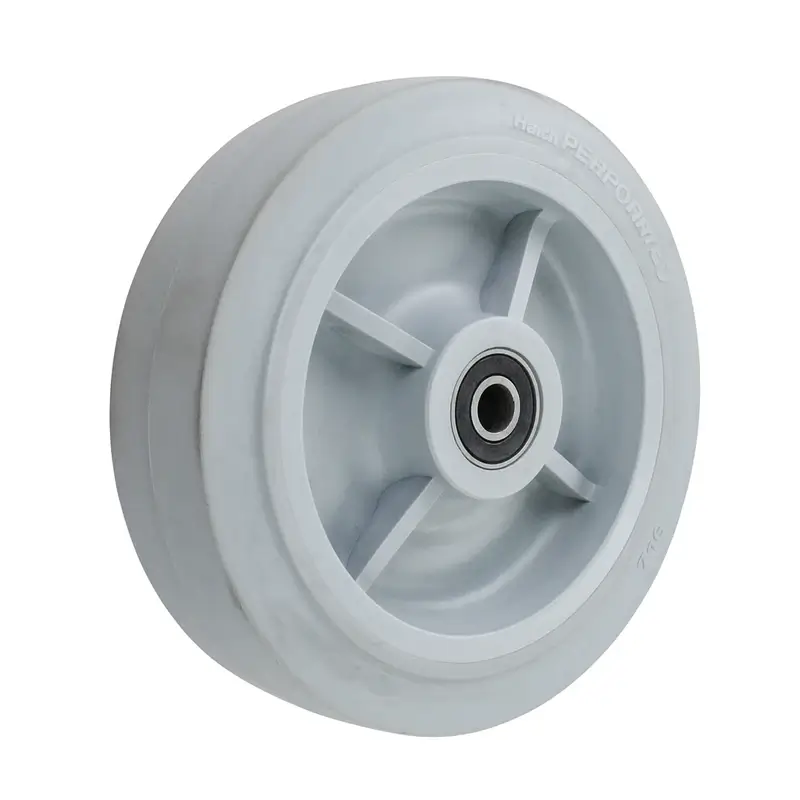
Choosing the right wheel material is a very important decision. It affects everything from the noise level in your workspace to the long-term condition of your floors and the comfort of your staff. It’s not just about moving something from one place to another; it's about doing it efficiently, safely, and quietly. That's why it's so important to understand both the good and the bad of any material. Let's take a closer look at TPE, so you can see if it's the right choice for your equipment.
What are the advantages of TPE material?
Are your current caster wheels leaving ugly marks on your floors or making a terrible racket? This can lead to expensive floor repairs and create a very unpleasant work environment.
The main advantages of TPE are its superior floor protection, quiet rolling, and ability to absorb shocks. It also resists many common chemicals and provides a good grip, making equipment easier and safer to control.
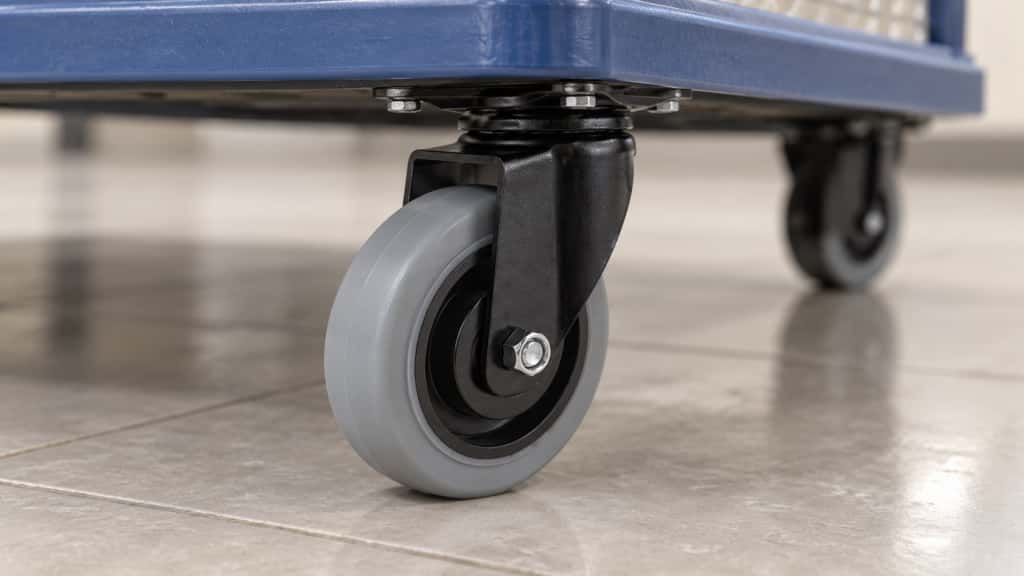
When we look deeper into TPE, its benefits become even clearer, especially for specific work environments. The material's unique properties solve several common problems that people face with standard caster wheels every day. We can break down these advantages into a few key areas that really matter for daily operations.
Superior Floor Protection and Quiet Operation
The most noticeable benefit of TPE is how it treats your floors. In the caster industry, TPE wheels usually have a hardness between 65 to 73 on the Shore A scale. This makes them relatively soft. Unlike hard materials like nylon or phenolic, which can easily scratch, scuff, or dent floors like tile, vinyl, or hardwood, TPE wheels roll gently. They act like a cushion between your equipment and the floor. This softness is also the reason they are so quiet. The material absorbs vibrations that would otherwise turn into noise. This is a huge advantage in places like hospitals, libraries, or offices where a quiet environment is not just a preference, but a necessity.
Excellent Shock Absorption and Tread Resilience
TPE’s elasticity is a major advantage. When a cart with TPE wheels rolls over an uneven surface, like cracked concrete or a doorway threshold, the wheels absorb much of the impact. This protects the equipment on the cart and provides a smoother, safer ride. Furthermore, if you roll over small debris like pebbles or metal shavings, they don't easily get embedded in the TPE tread. The material flexes around the object and then returns to its original shape. This also helps prevent an issue common with polyurethane (PU) wheels called "flat spotting." If a PU wheel sits in one spot under a heavy load for too long, it can develop a flat spot, making it bumpy to roll. TPE is much more resilient and resists this problem, ensuring a consistently smooth roll.
| Feature | Advantage of TPE | Impact on User |
|---|---|---|
| Softness (65-73A) | Protects floors from marks and scratches. | Lower floor maintenance costs. |
| Elasticity | Absorbs shocks and vibrations. | Quieter operation, smoother ride. |
| Tread Resilience | Resists flat spotting and embedding debris. | Longer wheel life, consistent performance. |
| Grip | Provides better traction on smooth floors. | Improved control and safety. |
What are the disadvantages of TPE material?
Do you think TPE is the perfect solution for every single heavy load you have? Using it in the wrong situation can lead to premature wheel failure and create safety risks.
The primary disadvantage of TPE is its lower load capacity compared to harder materials like polyurethane or nylon. It is also generally not suitable for very heavy-duty applications or environments with high temperatures.
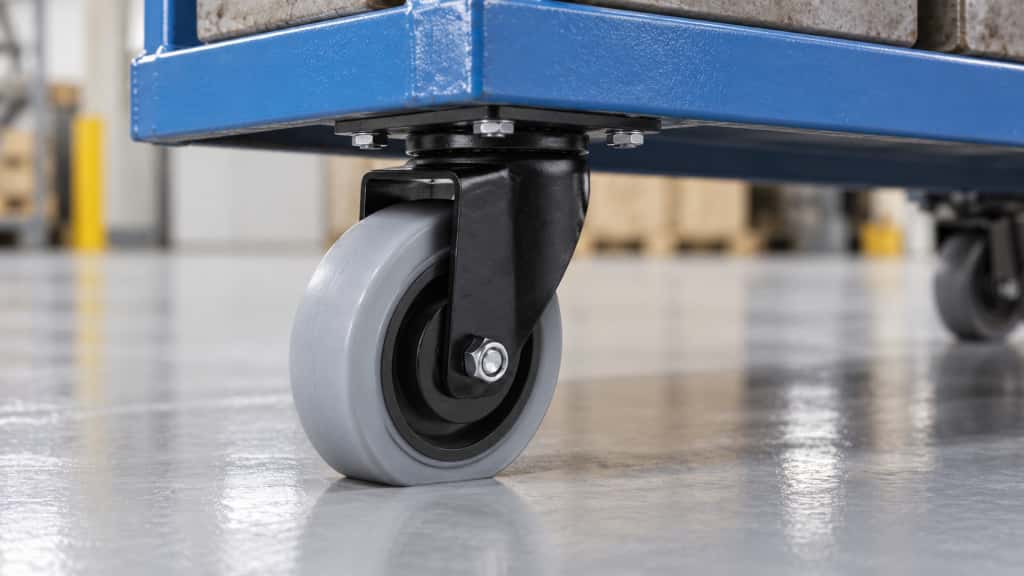
While TPE wheels solve many problems, they are not the right choice for every situation. It is just as important to understand their limitations as it is to know their benefits. Pushing a material beyond its designed capabilities is a recipe for trouble, leading to increased costs and potential safety hazards. Knowing when not to use TPE is key to making a smart purchasing decision and ensuring the long-term reliability of your equipment. Let's examine the specific areas where TPE falls short.
Limited Load Capacity
This is the most significant drawback of TPE. Because the material is soft and flexible, it deforms more under weight. This means it simply can't support the same kind of heavy loads that a rigid material can. In our product lines, a medium-duty TPE caster is typically rated for a dynamic load of 80 to 150 kg per wheel. Our heavy-duty models top out around 120 to 280 kg. In contrast, a similar-sized nylon or polyurethane wheel could easily handle two or three times that weight. If you try to overload a TPE wheel, it will wear out very quickly, the tread can separate from the core, and the rolling resistance will increase dramatically, making it very hard to push.
Performance on Soft Surfaces
TPE wheels are designed to perform best on hard surfaces like concrete, tile, or wood. On these floors, their advantages shine. However, if you need to roll your equipment over soft surfaces like thick carpeting, TPE can be a poor choice. The soft wheel tends to sink into the carpet, which significantly increases the friction and the effort required to push the cart. For carpeted areas, a harder wheel like nylon is almost always a better option because it rolls on top of the carpet fibers instead of sinking into them.
| Limitation | Description | Recommended Alternative |
|---|---|---|
| Low Load Capacity | Medium-duty: 80-150kg. Heavy-duty: 120-280kg. | Polyurethane, Nylon, or Cast Iron for heavier loads. |
| Poor on Soft Floors | Sinks into thick carpet, increasing push effort. | Hard Nylon or Polypropylene wheels. |
| Temperature Sensitivity | Standard TPE is not for high-heat environments. | High-temp Phenolic or special Glass-Filled Nylon. |
What are the applications of TPE caster wheel?
Are you unsure where TPE caster wheels might fit into your business operations? Choosing the wrong wheel for the job can cause a lot of unnecessary problems and extra costs.
TPE caster wheels are perfect for medical equipment, institutional carts, retail displays, and office furniture. Any application on hard floors where noise reduction, easy rolling, and floor protection are critical is ideal.
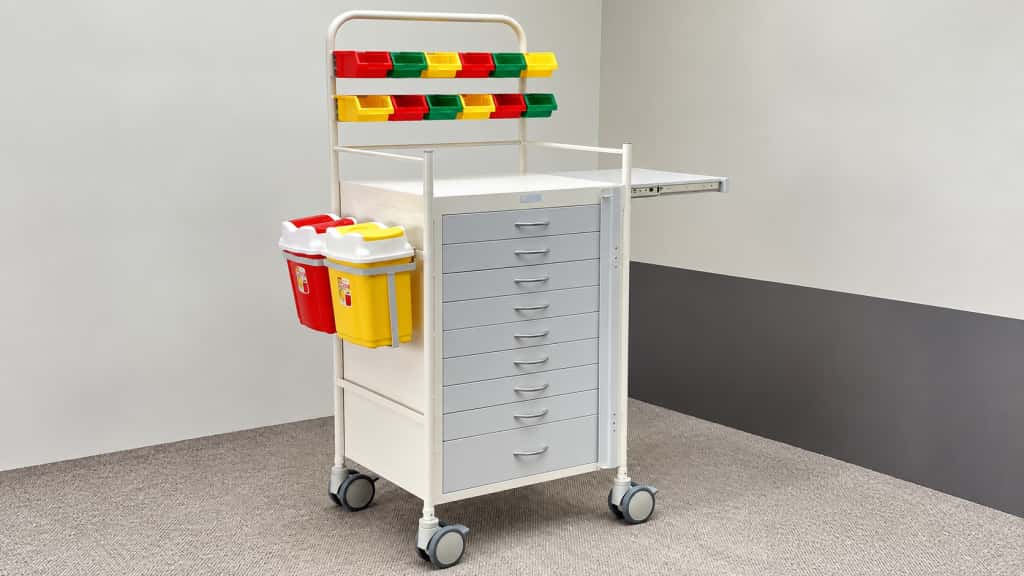
Understanding the ideal use cases for TPE wheels helps you match the product's strengths to your specific needs. When you put the right wheel in the right environment, you get the best possible performance and value. TPE excels in environments where the human experience—like noise levels and ease of use—is just as important as the functional task of moving an object.
Institutional and Medical Settings
Think about hospitals, schools, laboratories, and libraries. In these places, quiet is golden. The clatter of hard wheels on a tile floor is disruptive and unprofessional. TPE wheels are the standard choice for medical carts, IV poles, hospital beds, and book trolleys precisely because they are nearly silent. They also protect the expensive flooring found in these institutions. Furthermore, the smooth, easy push of a TPE wheel makes it less strenuous for nurses, librarians, and other staff who are on their feet all day moving equipment.
Retail and Commercial Environments
In a retail store, customer experience is everything. You don't want shopping carts that are a struggle to push or display racks that screech and scratch the floor when moved. TPE wheels provide that smooth, effortless glide that makes for a pleasant shopping experience. They are used on everything from clothing racks and point-of-sale displays to service carts used by employees. The fact that they won't damage the store's appearance by marking up the floors is a huge bonus for store managers.
A Real-World Example
I remember working with a client who manufactured mobile workbenches. For years, they used standard nylon wheels on all their products. They started getting complaints from their customers, especially those with workshops that had smooth, sealed concrete floors. The nylon wheels were incredibly loud, and workers complained that the heavy benches were difficult to get moving from a standstill. It was a constant source of frustration. I sent them a sample set of our TPE caster wheels and suggested they try them on one of the benches. The feedback was immediate and overwhelmingly positive. The noise problem completely disappeared. The workers found the benches were much easier to push, reducing daily strain. It was a simple, cost-effective change that solved a major headache for their end-users and improved the perceived quality of their product.
Conclusion
In short, TPE is an excellent choice for quiet, floor-safe movement on hard surfaces. Just be mindful of its load limits and choose it for the right application.


