

Struggling to find the right caster in a sea of options? This confusion can lead to the wrong choice, causing frustration. Here is a simple guide to help you.
The most common caster types are swivel, which rotates 360 degrees for maneuverability, and rigid (or fixed), which only moves in a straight line. Many casters also include a brake for stability. They are further defined by their mounting style, like top plate or stem fittings.
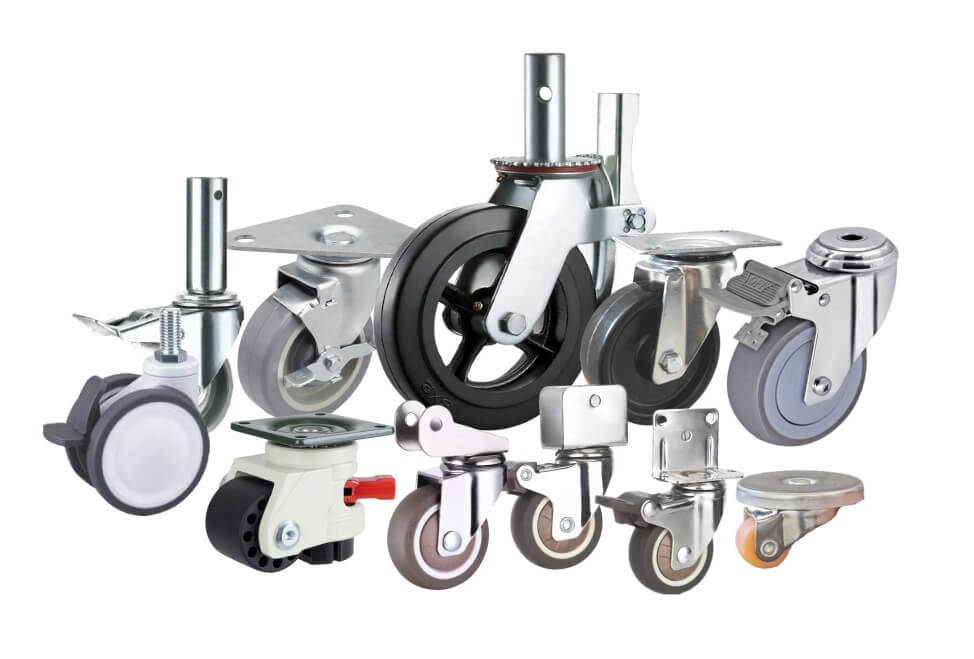
Choosing the right caster wheel might seem complicated, but it's actually straightforward once you understand the basic components. It's not just about the wheel; it's about how it moves and how it attaches to your equipment. Getting this right is key to making your equipment mobile, safe, and easy to use. In this post, I'll walk you through everything you need to know, drawing on our 12 years of experience in the caster industry.
What are the most common types of caster wheels?
It's easy to get lost when all casters seem to look the same. This can make picking the right one for your job feel like a guess. Let's simplify it.
The main types are swivel casters, for 360-degree movement, and rigid casters, for straight-line travel. A third key type is the braking caster, which adds a locking mechanism to a swivel or rigid caster for safety and stability when stationary.
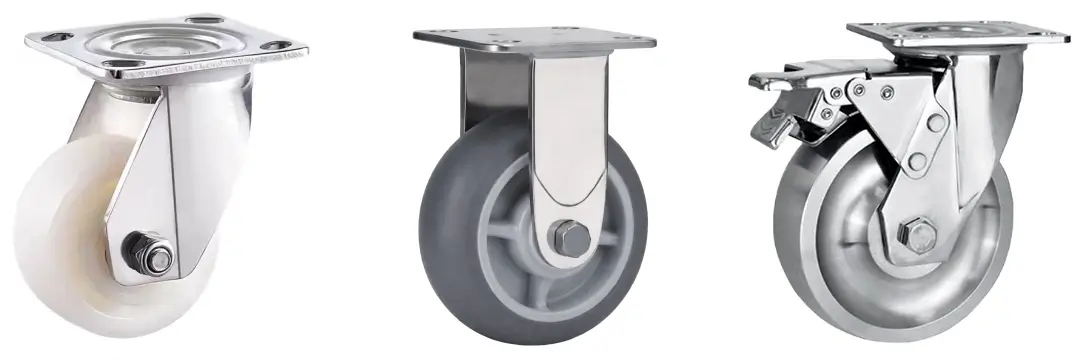
Let's break down these types and their fittings. The fitting is the part that connects the caster to your equipment. Many people think a thick top plate means a higher load capacity, but that's a common misconception. The real strength comes from the internal swivel raceway, which includes the ball raceway and steel balls. This is where the load is actually supported. However, a flimsy fitting can bend or break, creating a serious safety risk. At our company, we focus on the entire structure's strength, balancing robust design with cost-effectiveness to ensure safety.
Caster Movement Types
| Type | Description | Best For |
|---|---|---|
| Swivel | Rotates a full 360 degrees. | Maneuverability in tight spaces. |
| Rigid (Fixed) | Moves only in a straight line, forward and backward. | Keeping equipment on a straight path. |
| Braking | A feature added to swivel or rigid casters to lock them. | Preventing movement when parked. |
Common Fitting Types
The fitting you choose depends on what you're attaching the caster to.
- Top Plate: For equipment with a flat bottom surface.
- Bolt Hole / Threaded Stem / Solid Stem: For equipment with tubular legs, like retail displays, scaffolding, or kitchen carts.
- Corner Bar: Often added to small furniture to give it mobility.
How do you choose the right type of caster wheel?
Picking the wrong caster can damage your floors or equipment. This mistake leads to frustration, wasted time, and extra costs. Here’s a simple way to get it right.
To choose the right caster, you must consider the load capacity, floor conditions, and the kind of movement you need. Matching these factors to the caster's specifications ensures you get safe, reliable performance.

After more than a decade of helping clients, from large hardware chains to custom equipment manufacturers, I've seen how important this step is. A heavy-duty equipment maker needs a different caster than a hardware store selling to DIYers. We need to look at four key things to make the right choice.
1. Load Capacity
This is the most critical factor. To calculate the required capacity per caster, take the total weight of your equipment (including its maximum load) and divide it by the number of casters. For safety, I always recommend dividing by one less caster than you plan to use (e.g., divide by 3 for a 4-caster cart). This provides a safety margin for uneven floors where one caster might lift off the ground.
2. Floor Conditions
The type of floor surface determines the best wheel material.
- Hard Wheels (e.g., Nylon, Polypropylene): Best for soft surfaces like carpet. They roll easily and don't get bogged down.
- Soft Wheels (e.g., Rubber, Polyurethane): Ideal for hard surfaces like concrete or tile. They offer better traction, quieter operation, and floor protection.
3. The Environment
Where will the caster be used?
- Food Processing: Needs stainless steel and high-temperature resistant wheels.
- Electronics Manufacturing: Requires anti-static or conductive wheels to prevent damage to sensitive components.
- Outdoor Use (e.g., trash bins): Demands durable, weather-resistant materials.
4. Mobility Needs
Think about how the equipment needs to move. For a cart that needs to be steered easily, a common setup is two swivel casters at the front and two rigid casters at the back. For maximum maneuverability in tight spaces, using four swivel casters is the best option.
What are the benefits of using quality caster wheels?
Cheap casters might seem like a good way to save money. But they often fail quickly, damaging your equipment and causing costly downtime. Investing in quality always pays off.
Quality casters provide superior durability, better safety, and much smoother movement. They protect floors, reduce the need for maintenance, and ensure your equipment moves exactly how you expect it to, meeting key industry standards.
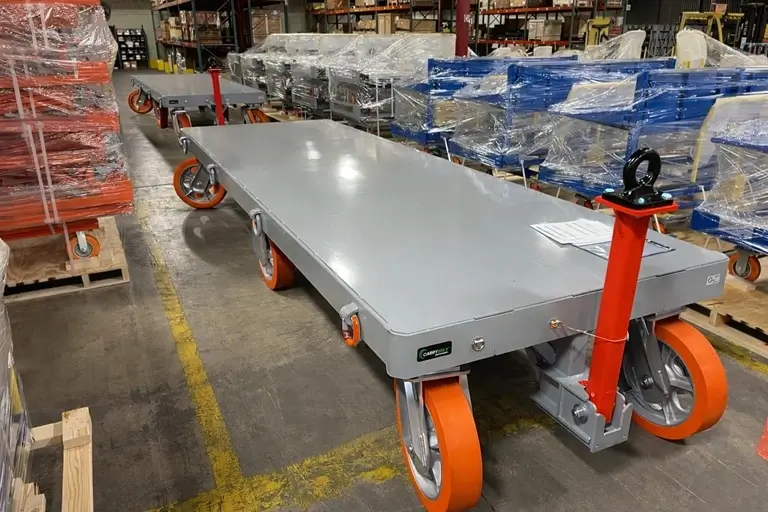
In my experience, the difference between a quality caster and a cheap one becomes obvious very quickly. A client in the automotive industry once tried to save costs with a cheaper shock-absorbing caster from another supplier. The casters failed within months, stopping their production line. They returned to us because our casters, which comply with standards like EN, ANSI, and JIS, are built for reliability. A quality caster isn't just a part; it's an investment in safety and efficiency. The swivel section's strength and the wheel's material are designed to handle specific stresses. This ensures not only a longer lifespan but also a safer environment for workers and better protection for your products and floors.
| Feature | Quality Caster | Cheap Caster |
|---|---|---|
| Lifespan | Long, reduces replacement costs. | Short, frequent replacements needed. |
| Safety | High, meets certified standards. | Low, high risk of failure and accidents. |
| Performance | Smooth and quiet rolling. | Noisy, difficult to push/pull. |
| Floor Protection | Excellent, prevents marks and damage. | Poor, can scratch or dent floors. |
| Total Cost | Lower over time due to durability. | Higher over time due to replacements. |
What are the best maintenance tips for caster longevity?
Your casters suddenly wear out and fail. This can bring your entire operation to a halt at the worst possible moment. Simple, regular maintenance can prevent this and extend their life.
For long-lasting casters, regularly inspect them for wear and tear. Keep the wheels and swivel assemblies clean from debris. Lubricate all moving parts, like bearings and axles, and periodically tighten all mounting hardware.
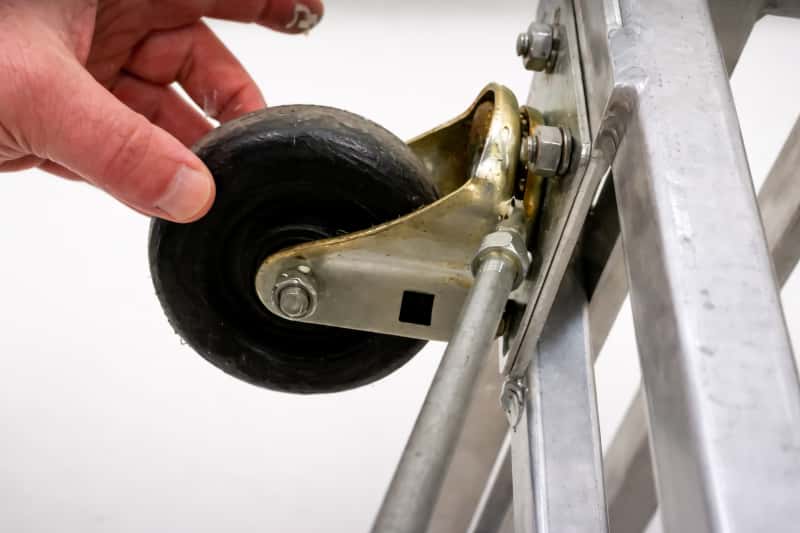
I always tell our customers, especially those with terminal equipment like scaffolding or food processing machinery, that casters are like the tires on your car. You wouldn't drive on a flat tire, so don't run equipment on a faulty caster. A few minutes of maintenance can save you from hours of downtime and expensive repairs. Following a simple schedule is the best way to keep everything rolling smoothly. It helps catch small problems before they become big ones.
1. Regular Inspection
Look at each caster closely. Are there flat spots on the wheel? Is the frame bent? Does the brake still lock securely? Catching these issues early is key.
2. Thorough Cleaning
Dirt, hair, string, and other debris are the enemies of a caster. They get wrapped around the axle or packed into the swivel raceway, causing the caster to jam and wear out prematurely. Clean them out regularly.
3. Proper Lubrication
Moving parts need lubrication to function correctly. Apply grease to the swivel raceway (the ball bearings) and a light oil to the wheel axle. This reduces friction and makes the caster easier to move.
4. Check for Tightness
Vibrations can cause mounting bolts and nuts to loosen over time. Check to make sure all casters are securely fastened to the equipment. A loose caster is a major safety hazard.
| Frequency | Maintenance Task |
|---|---|
| Weekly | Visually inspect for obvious debris and damage. |
| Monthly | Clean wheels and frames. Check for tightness of all fasteners. |
| Quarterly | Lubricate swivel bearings and wheel axles. Perform a detailed inspection for wear. |
Conclusion
Choosing the right caster means understanding types, your specific needs, and the value of quality. With proper maintenance, your equipment will move safely and efficiently for years to come.


