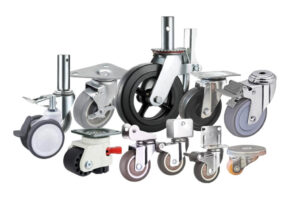

Struggling with wheels that crack and fail unexpectedly? It's a frustrating and costly problem. Understanding the hidden downsides of polyurethane can save you from future headaches and operational downtime.
The main disadvantages of polyurethane (PU) wheels are their susceptibility to hydrolysis1 (breaking down from moisture), degradation from UV light, and a tendency to develop "flat spots2" under heavy, static loads. They are also more expensive than many other common wheel materials like rubber or polypropylene.
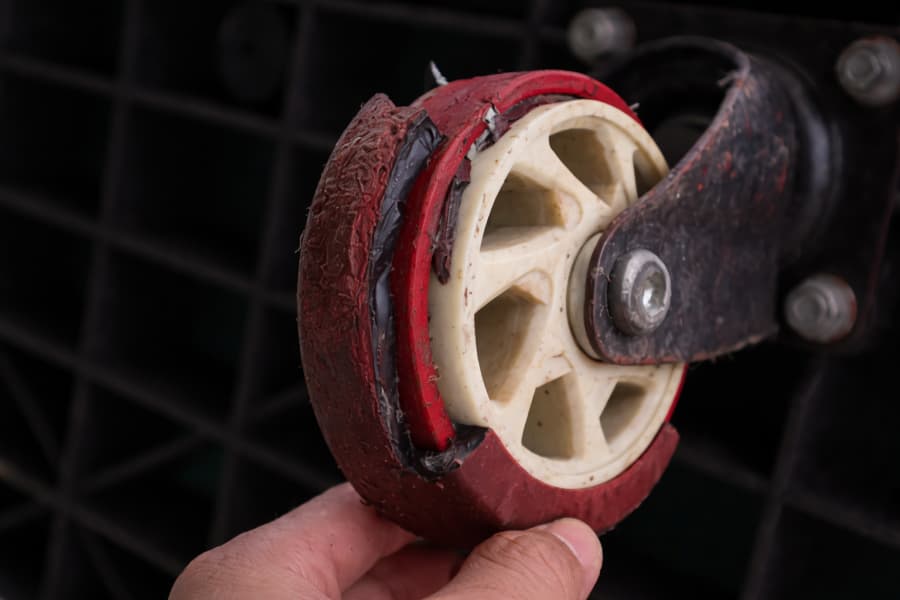
Polyurethane wheels are incredibly popular in the industry, and for good reason. They offer a fantastic combination of durability and floor protection. However, over my 12 years of exporting casters, I've learned they are not a perfect solution for every situation. It's crucial to look beyond the benefits and understand the potential drawbacks before you make a purchase. Let's dive deeper into what makes PU wheels tick and where they might fall short for your specific needs.
Understanding Polyurethane Wheels?
Are you overwhelmed by the technical jargon of wheel materials? Polyurethane often sounds like the perfect, all-in-one solution, but it's important to know what it really is before you invest.
Polyurethane is a unique polymer that combines the hardness of plastic with the elasticity and shock-absorbing properties of rubber. This makes it a versatile choice for industrial casters, offering high load capacity while still protecting your floors from marks and scratches.
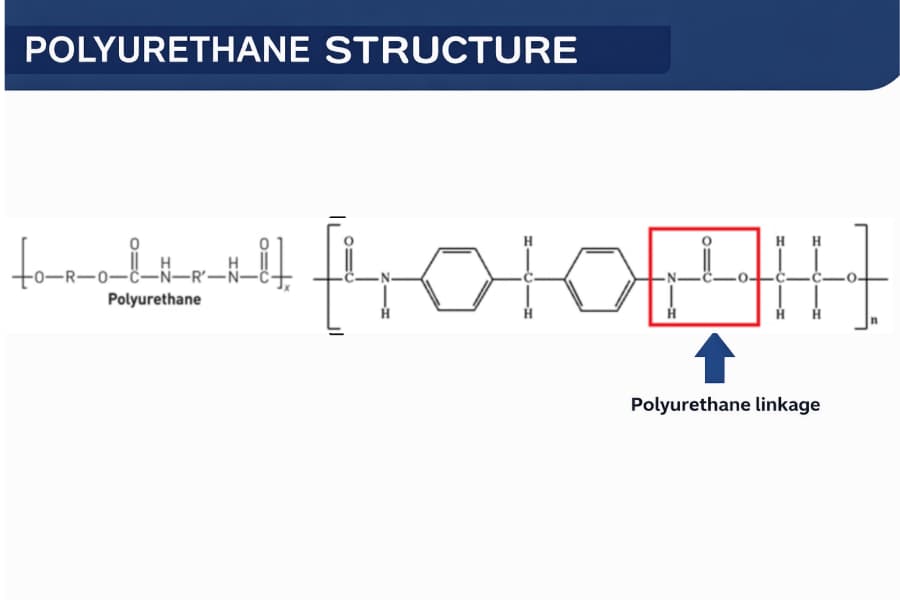
In my experience, understanding the basics of PU is key to selecting the right product. Think of it as a spectrum. On one end, you have very hard, plastic-like PU, and on the other, you have soft, rubbery PU. The specific blend, or "durometer," determines its hardness and performance characteristics. There are two main families of PU used in casters:
- Polyester-based PU: This type is very tough and has excellent abrasion and tear resistance. It's a fantastic material for demanding applications. However, its major weakness is a high susceptibility to hydrolysis, meaning it breaks down in the presence of water, especially in warm and humid conditions.
- Polyether-based PU: This type is the go-to solution when moisture is a concern. It has much better resistance to hydrolysis. The trade-off is that it generally has slightly lower tensile strength and abrasion resistance compared to polyester types.
Knowing this distinction is critical. We often guide our clients toward the right type based on their operating environment, not just the load capacity.
Why Polyurethane Wheels Might Not Be Ideal?
Have you ever opened a box of brand-new wheels, only to find them cracked and useless? This frustrating experience is often caused by a hidden enemy: moisture in the air.
The single biggest disadvantage of standard polyurethane wheels is hydrolysis. This is a chemical process where water molecules break down the polyurethane's polymer chains, causing the material to become brittle and crumble. This can happen even while the wheels are sitting in a warehouse.
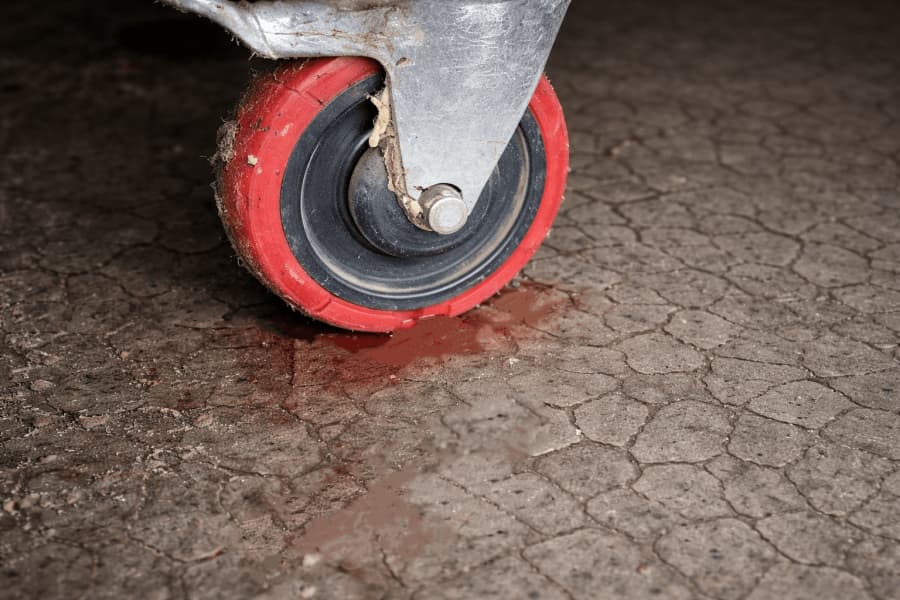
I'll never forget a call from a customer in a tropical region. They had ordered a large quantity of polyurethane wheels and stored them for over a year in the warehouse. When they went to take them, a significant portion of the wheels had simply fallen apart. This was a classic, costly case of hydrolysis accelerated by high heat and humidity.
Another major weakness is UV degradation3. Polyurethane does not like sunlight. We once had a very strange case where a customer received a shipment of wheels that were already failing right out of the container. After a thorough investigation, we discovered that the raw PU material had been improperly stored and exposed to direct sunlight for a long period before being molded into wheels. The month-long sea journey was enough time for the UV damage to become critical.
While special, hydrolysis-resistant PU formulations exist, they are more expensive. For this reason, they are not typically used for general-purpose industrial casters unless specifically requested.
Pros and Cons of Polyurethane Wheels?
Are you trying to decide if PU wheels are worth the investment? Making the right choice means weighing the good against the bad to see how it fits your specific needs.
Polyurethane wheels are an excellent middle-ground option, offering more durability than rubber and better floor protection than steel. However, their environmental sensitivities and cost mean they aren't a universal solution. They excel in some areas but have clear drawbacks in others.
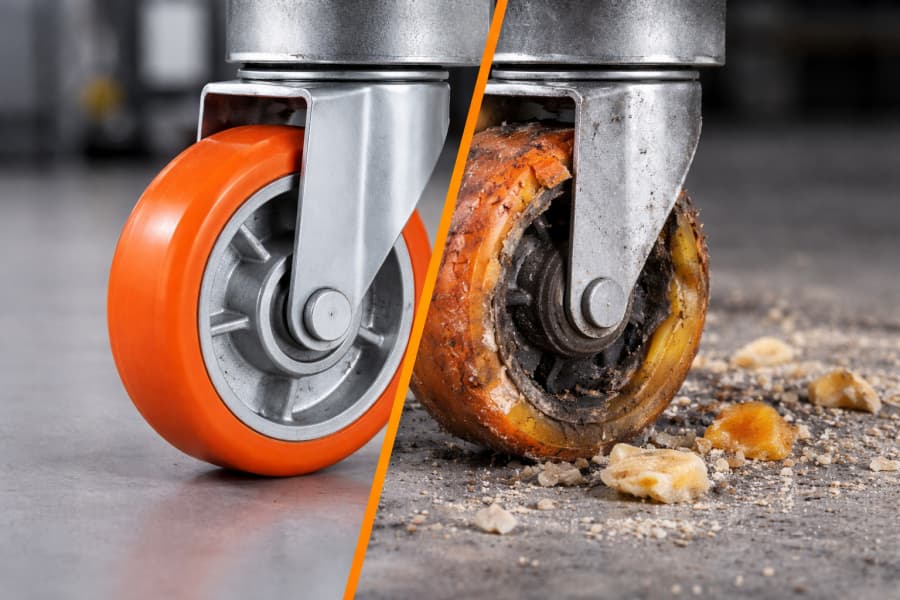
To make it easier, I've broken down the key strengths and weaknesses based on what we've seen working with thousands of customers, from large hardware chains to specialized equipment manufacturers. Every customer has different priorities, whether it's price, performance, or longevity. Seeing the pros and cons side-by-side can help clarify if PU is the right material for you.
Here is a simple table summarizing the trade-offs:
| Pros of Polyurethane Wheels | Cons of Polyurethane Wheels |
|---|---|
| High Load Capacity | Vulnerable to Hydrolysis |
| Excellent Floor Protection | Susceptible to UV Damage |
| Good Abrasion Resistance | Prone to "Flat-Spotting" |
| Quiet Operation | Higher Cost than PP, TPR |
| Resistant to Oils & Solvents | Can Yellow with Age |
| Non-Marking | Poor Grip on Wet Surfaces |
Aromatic PU, the most common type, tends to yellow when exposed to UV light, which affects the appearance but not always the performance. Aliphatic PU resists yellowing but comes at a much higher price point. It's these details that can make or break your satisfaction with the product.
Performance Characteristics of Polyurethane Wheels?
Does your heavy cart make a "thump-thump-thump" sound when you first start moving it? This annoying issue is likely due to "flat-spotting," a common performance problem with PU wheels.
When a polyurethane wheel is left stationary under a heavy load for an extended period, the material can compress and fail to return to its original shape. This creates a permanent flat spot on the wheel, leading to a bumpy and noisy ride until it wears down.
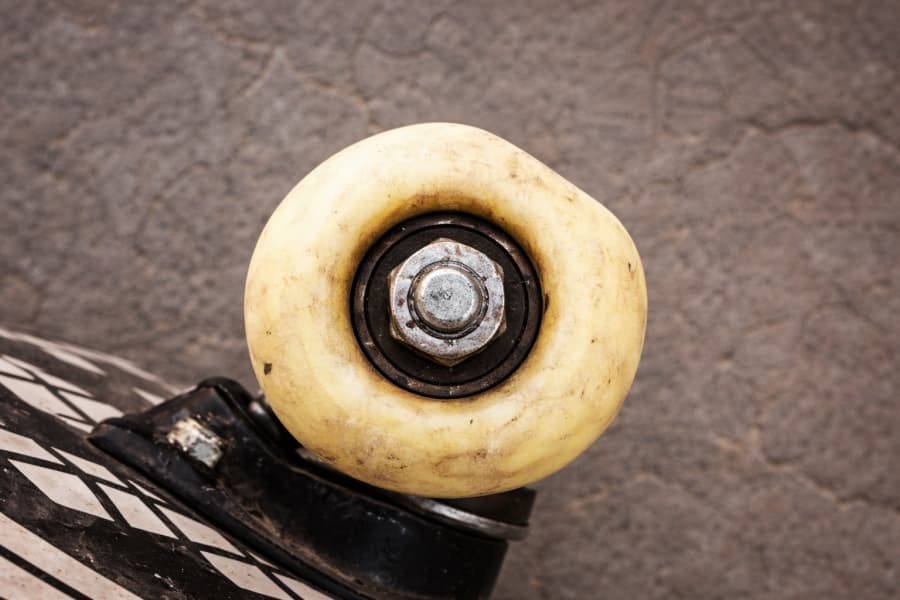
This is a frequent topic of conversation with our clients. Some prefer a crowned or rounded wheel tread because it makes turning and maneuvering much easier. However, we always caution them that a crowned tread concentrates the entire load onto a smaller surface area, making it even more susceptible to flat-spotting than a standard flat-tread wheel. For equipment that sits idle for long periods, a flat tread is often the more reliable choice.
Here are some other key performance characteristics to consider:
- Shock Absorption: While PU is much better at absorbing impacts than hard materials like nylon or steel, it is not as effective as rubber or TPR. If you are moving sensitive equipment over uneven floors or thresholds, the superior cushioning of rubber might be a better fit.
- Grip (Traction): On clean, dry concrete, PU offers excellent grip. However, on very smooth surfaces like polished tile in a supermarket, or in wet conditions, its traction is significantly lower than that of rubber.
- Rolling Resistance: Generally, harder PU wheels have lower rolling resistance4, making them easier to push. Softer PU wheels offer more cushioning but require a bit more effort to get moving.
Comparing Polyurethane with Other Materials?
Feeling lost in a sea of options like PU, Rubber, PP, and TPR? Choosing the wrong material can lead to premature failure and operational headaches. Let's simplify the decision.
There is no single "best" wheel material; there is only the best material for your application. The right choice depends on a trade-off between load, floor condition, environment, and budget. Polyurethane is a great all-rounder, but sometimes a specialized material is a better fit.
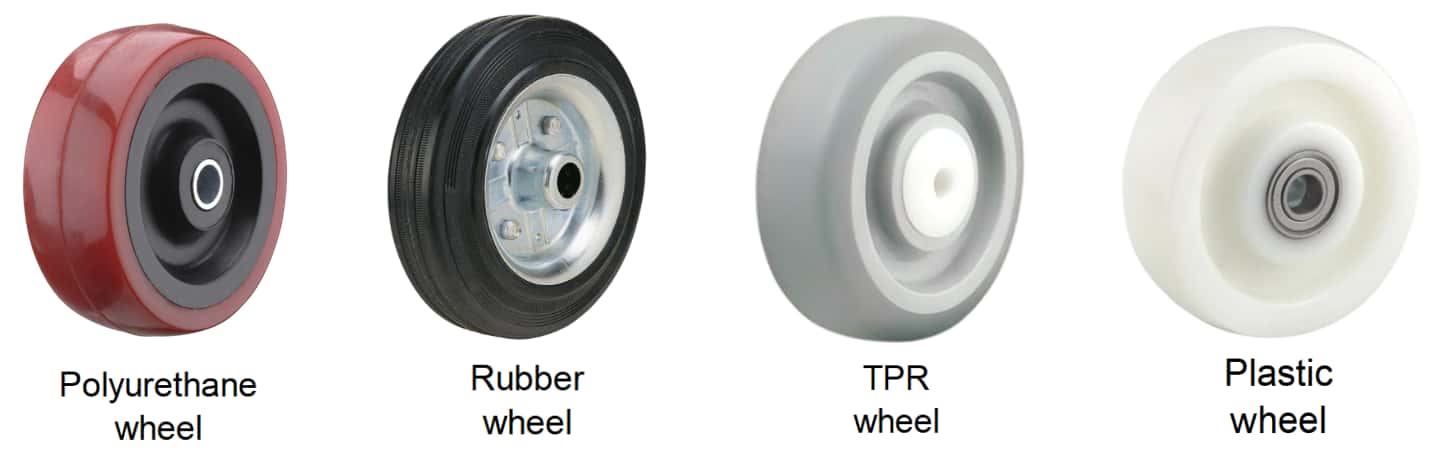
As a supplier to a wide range of customers, we see these decisions play out every day. A large home improvement retailer might prioritize the low cost and high capacity of polypropylene (PP) wheels for their store carts. A distributor focused on price will be very sensitive to the cost difference between PU and TPR. Meanwhile, a medical equipment manufacturer will pay a premium for a high-grade PU wheel that is quiet, non-marking5, and reliable. Comparing the materials directly is the best way to see where your priorities lie.
This table gives a quick overview of the key differences:
| Feature | Polyurethane (PU) | Rubber | Thermoplastic Rubber (TPR) | Polypropylene (PP) |
|---|---|---|---|---|
| Load Capacity | High | Medium | Medium-Low | High |
| Floor Protection | Excellent | Excellent | Excellent | Fair (can scratch) |
| Shock Absorption | Good | Excellent | Very Good | Poor |
| Cost | Medium-High | Medium | Medium-Low | Low |
| Hydrolysis Risk | High (Standard) | Low | Low | Low |
| Grip on Wet | Fair | Excellent | Good | Poor |
Factors to Consider When Choosing Polyurethane Wheels?
Worried you might overlook a critical detail and choose the wrong wheel? A bad decision can mean wasted money and equipment that doesn't perform as needed. Let's make sure that doesn't happen.
To avoid problems like hydrolysis or flat-spotting, you need to think beyond just the load capacity. A successful caster choice comes from matching the wheel's characteristics to its intended environment and use case.
Over the years, we've developed a simple mental checklist that we walk through with our clients. This helps ensure they've considered all the angles before placing an order. Answering these questions will guide you to the right polyurethane wheel or even show you that a different material might be a better choice for your application.
Key Considerations Checklist:
- What is your environment? Is it hot and humid? If so, you must consider hydrolysis. You may need to specify a more expensive, hydrolysis-resistant PU. Will the wheels be exposed to sunlight? If yes, standard aromatic PU6 will degrade and yellow over time.
- How will the load be applied? It's not just about the total weight. Will the equipment be sitting stationary for long periods? If the answer is yes, be mindful of flat-spotting, especially with heavy loads. A harder durometer PU or a different material like phenolic may be more suitable.
- What type of floor do you have? PU is a fantastic choice for protecting most floors. But if your floors are consistently wet, oily, or highly polished, the superior grip of a rubber wheel might be a safer option.
- What is your budget? As we've discussed, PU is more expensive than PP, PVC, and TPR. Be realistic about what you need. For many light-to-medium duty applications, a quality TPR wheel can provide similar floor protection and quietness at a lower cost.
- What standards must you meet? This is crucial for our international clients. Do you need to comply with European standards like EN 12532 or American ANSI standards? Ensure the wheel you select is certified for your industry, whether it's for scaffolding, waste containers, or food service equipment.
Conclusion
In short, PU wheels are strong and protect floors well, but they are not perfect. Their weakness to water, sunlight, and flat-spotting means you must choose carefully based on your environment and use.
Understanding hydrolysis helps you prevent wheel failure due to moisture, saving costs and ensuring operational efficiency. ↩
Avoid the annoyance of bumpy rides by understanding how flat spots form and how to prevent them. ↩
Learn how UV exposure can damage your wheels, so you can take preventive measures to extend their lifespan. ↩
Reduce effort and energy consumption by understanding how rolling resistance impacts wheel performance. ↩
Keep your floors clean and mark-free by choosing non-marking wheels, maintaining a professional appearance. ↩
Find out why aromatic PU is common but may yellow over time, affecting appearance but not performance. ↩