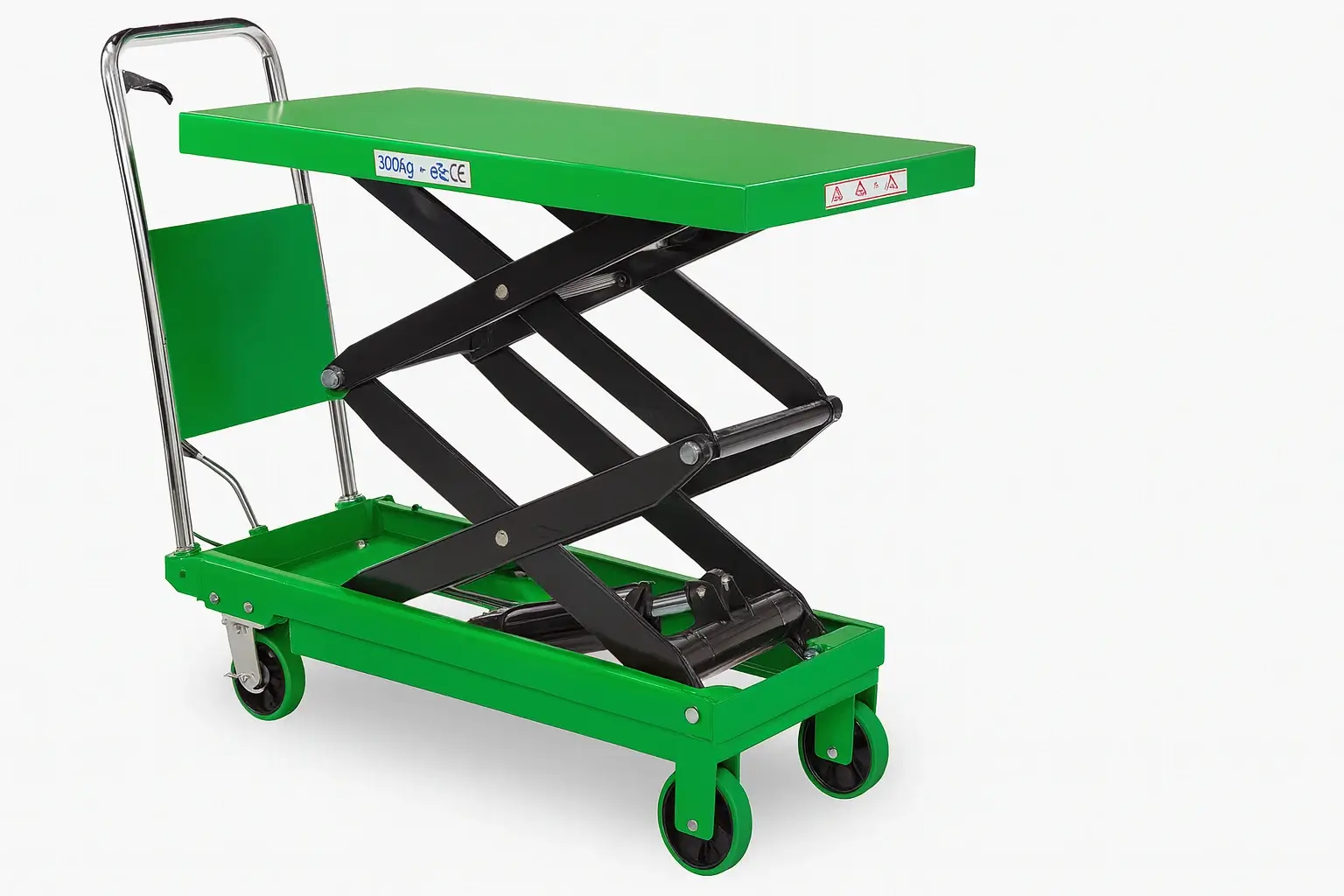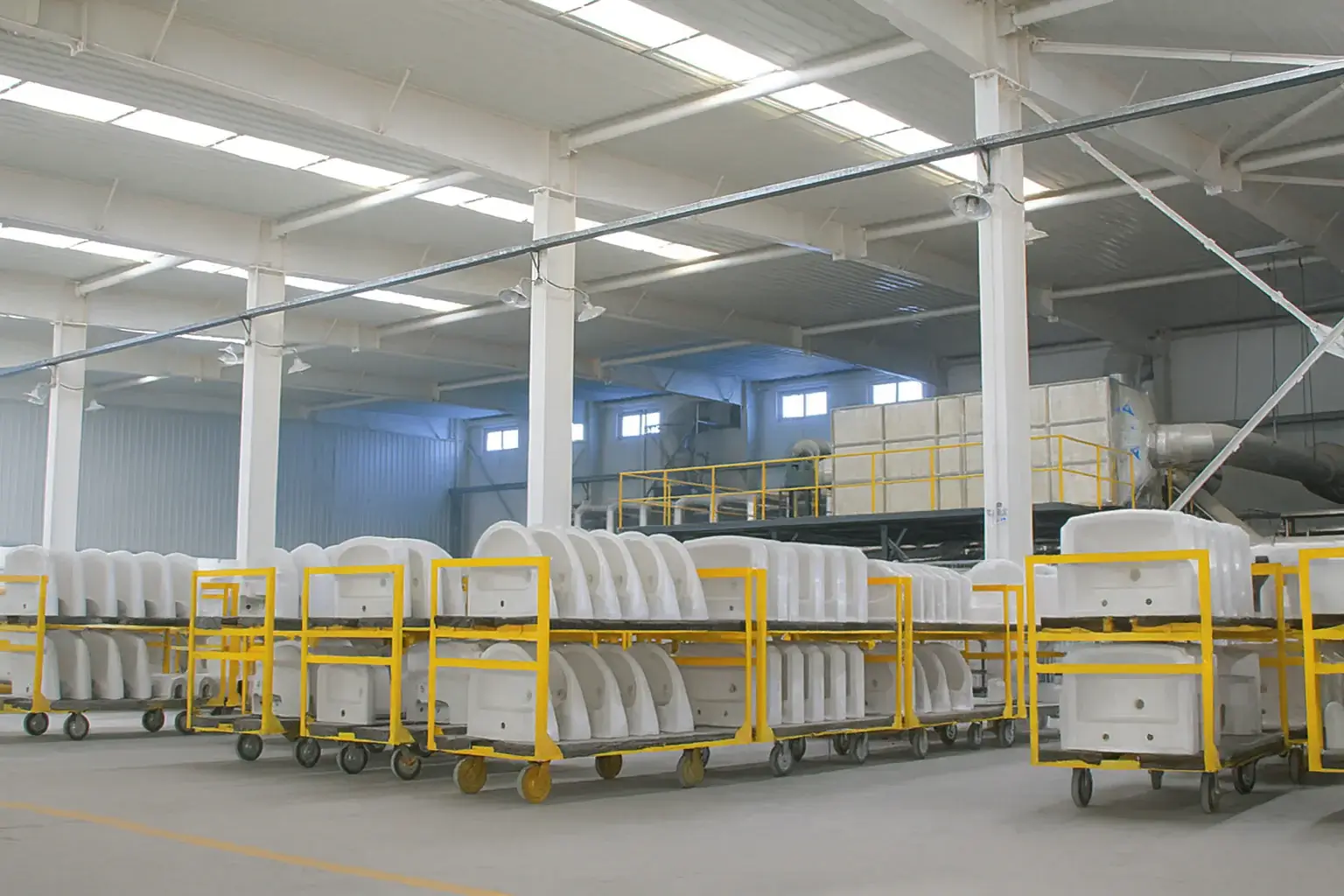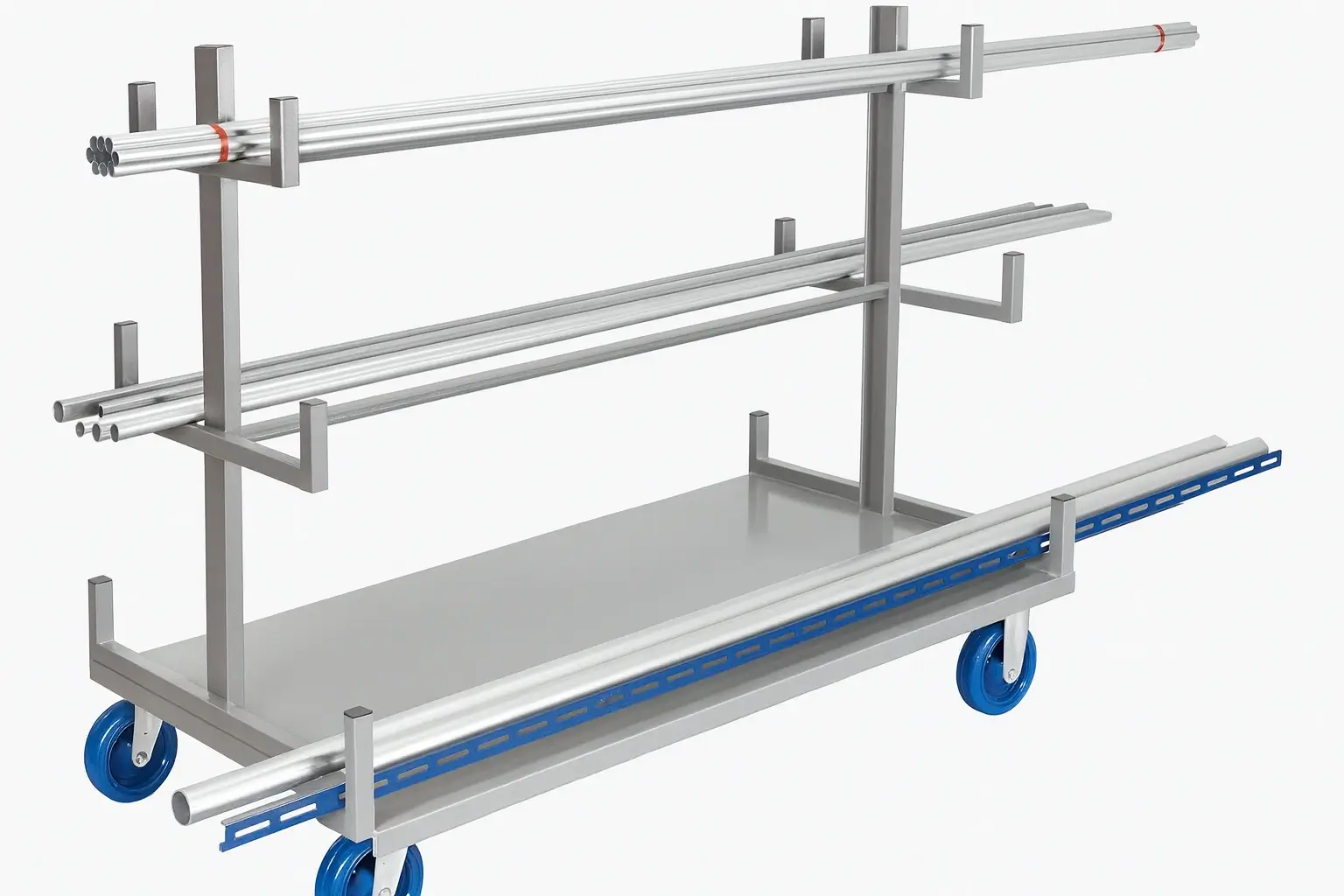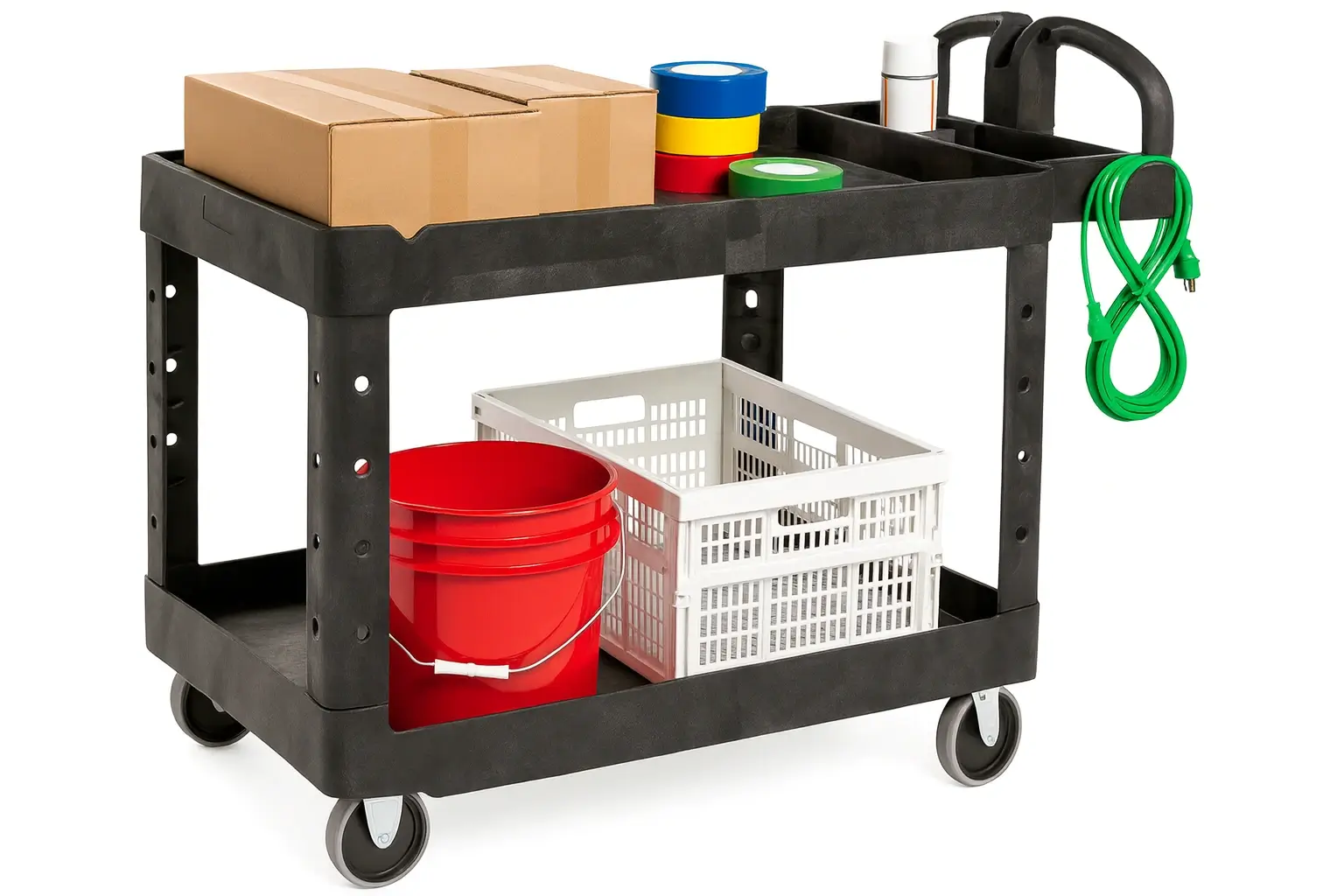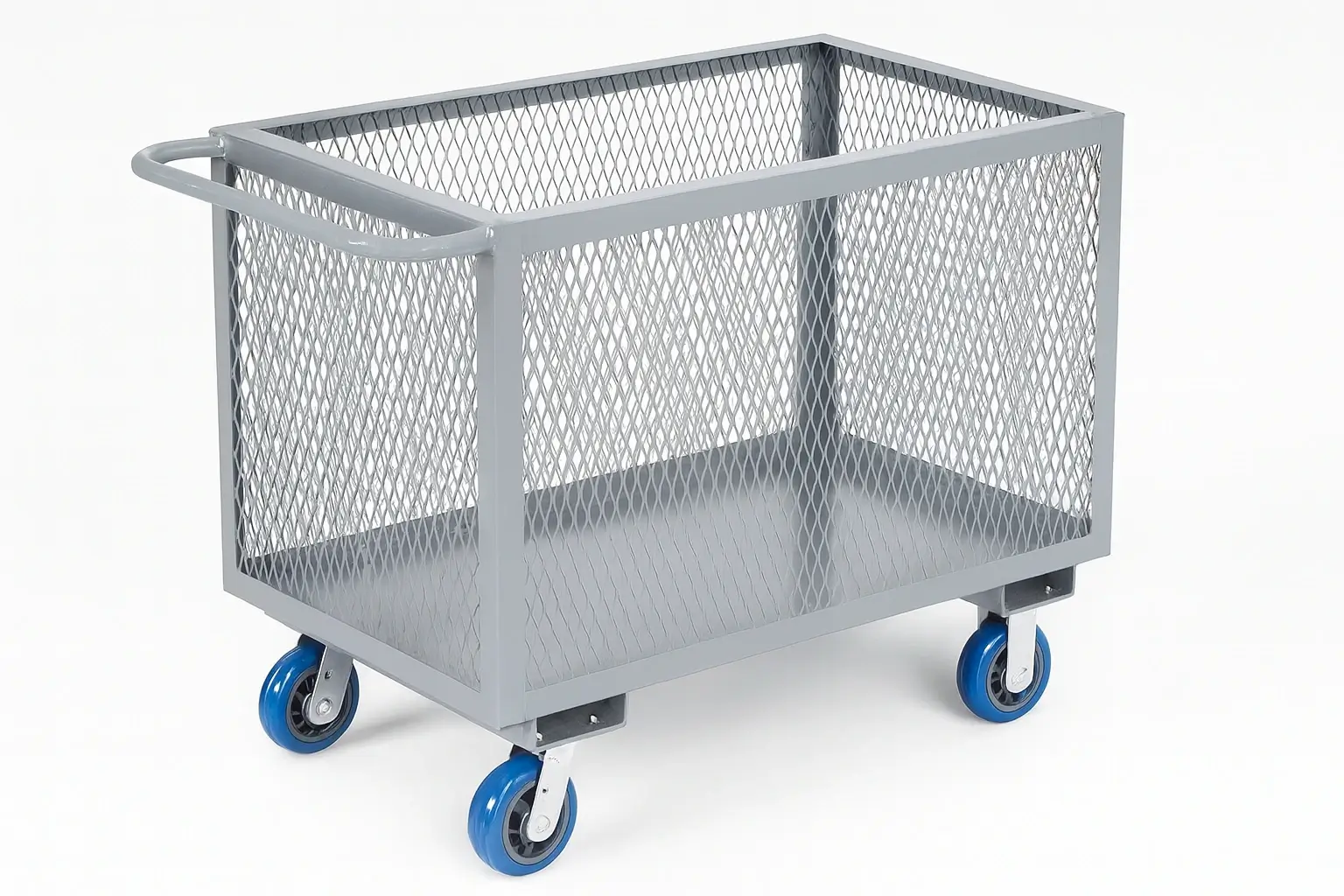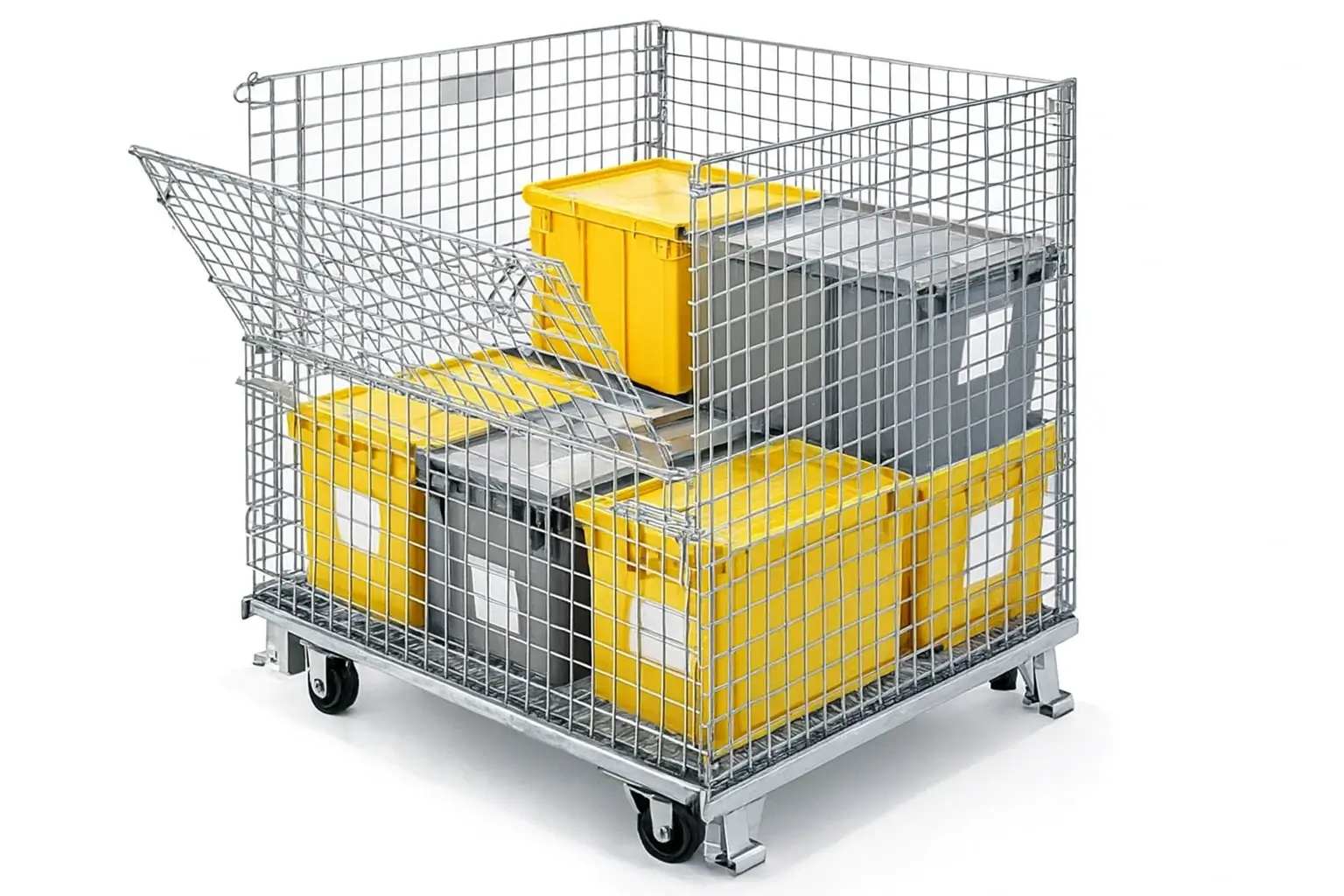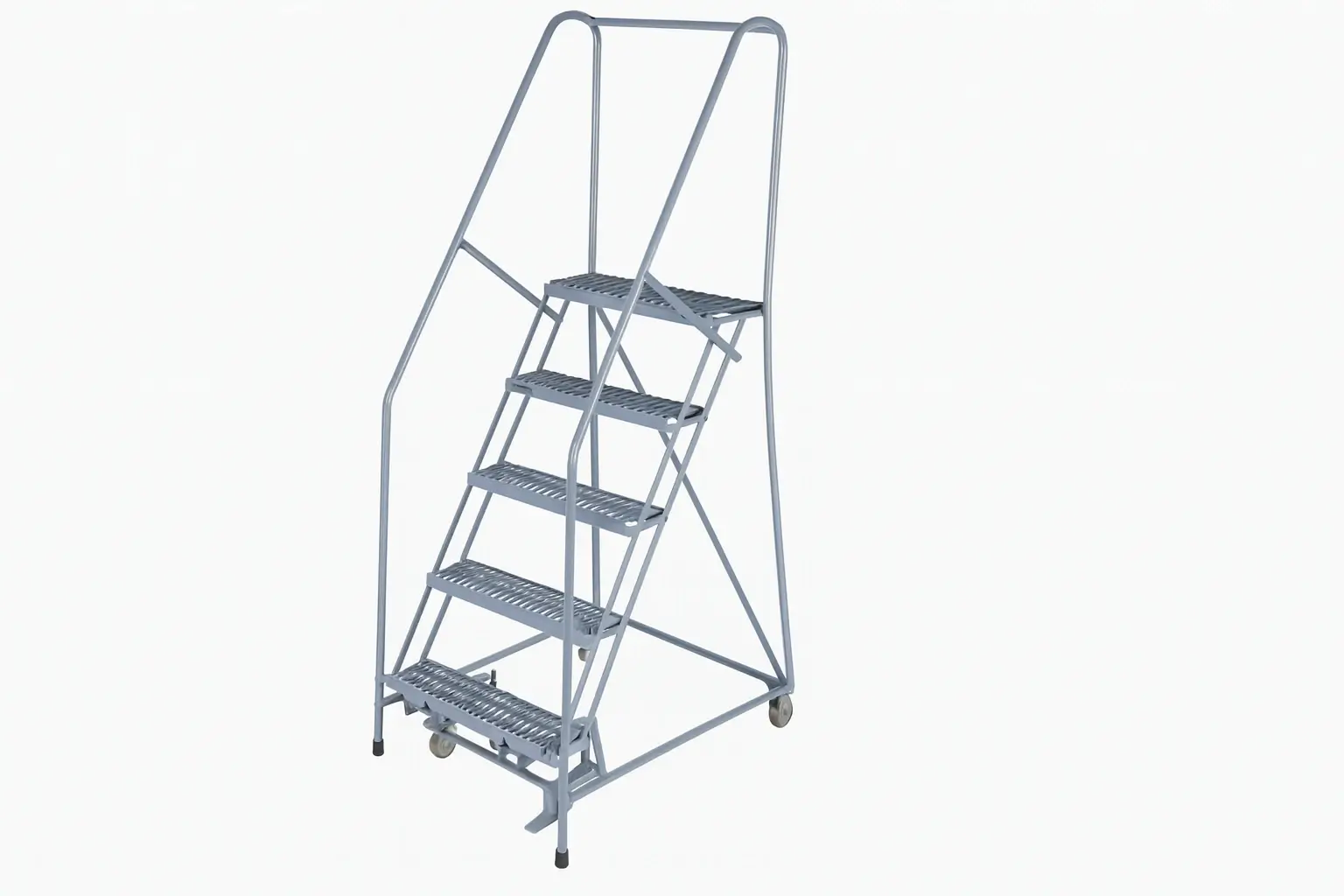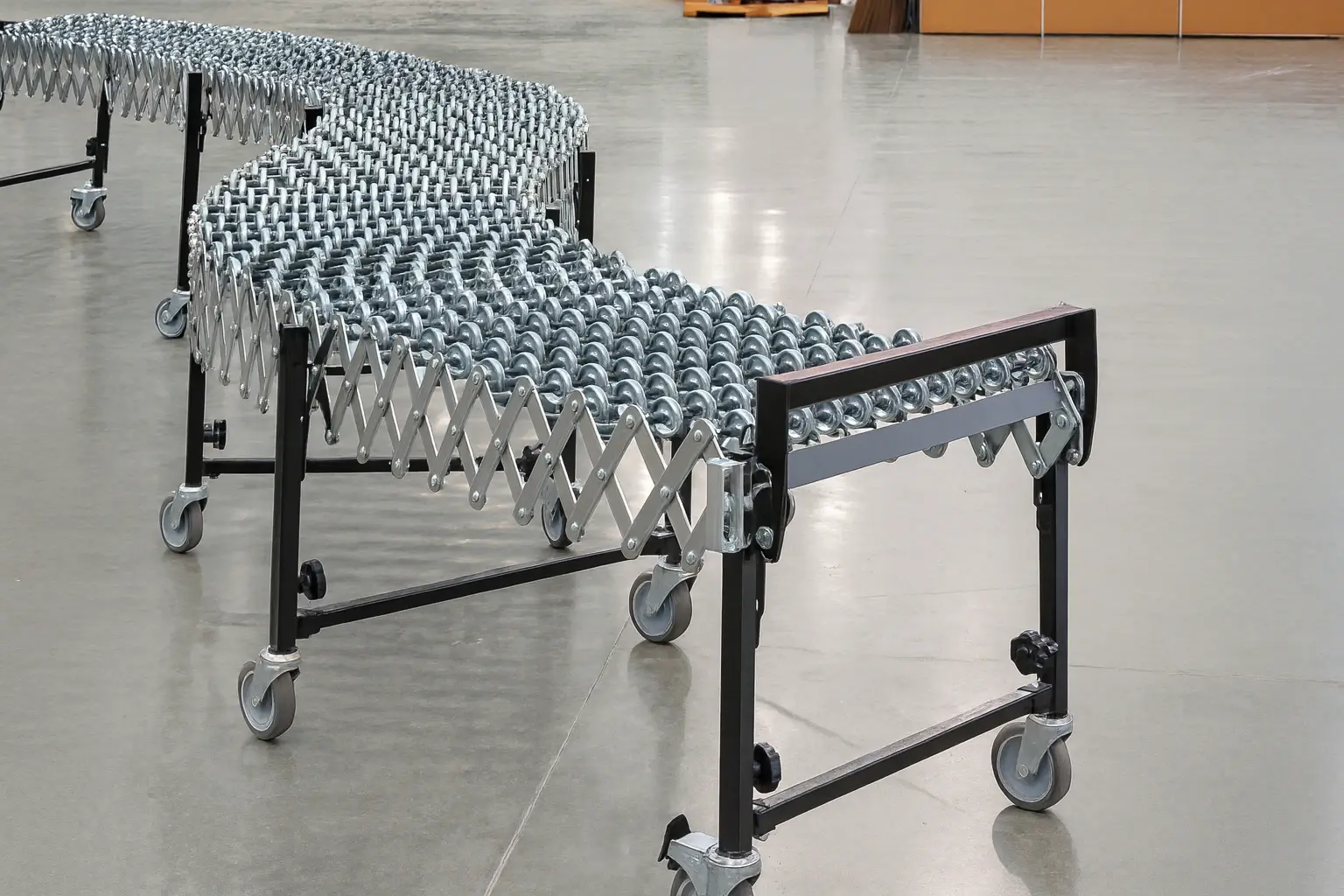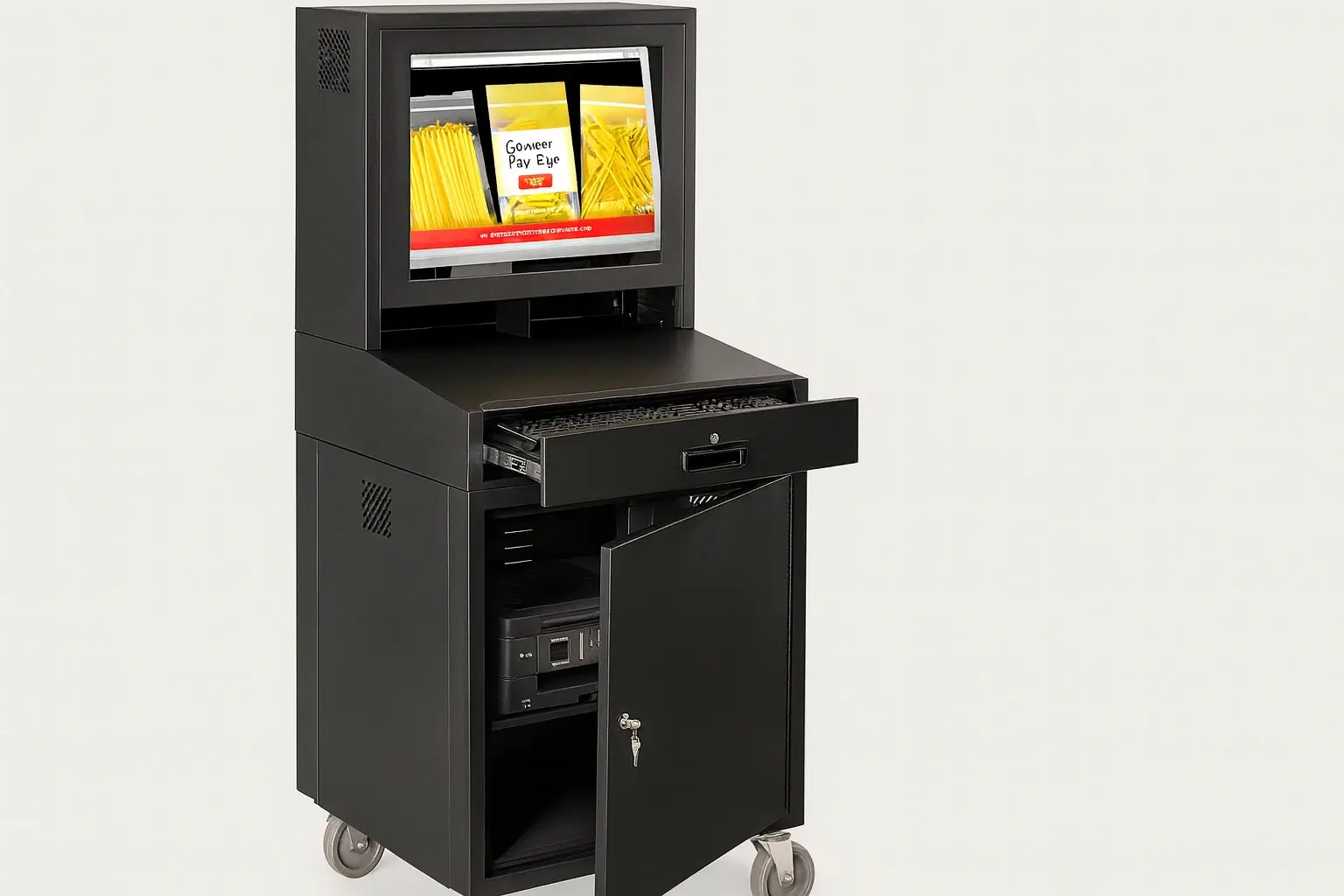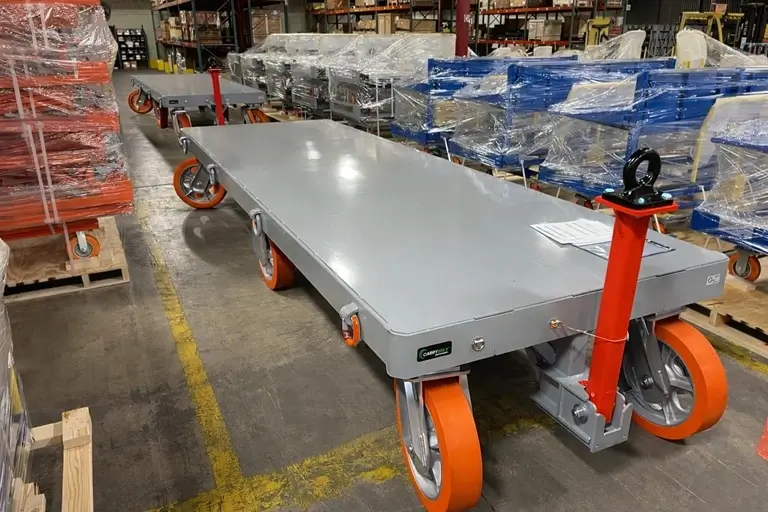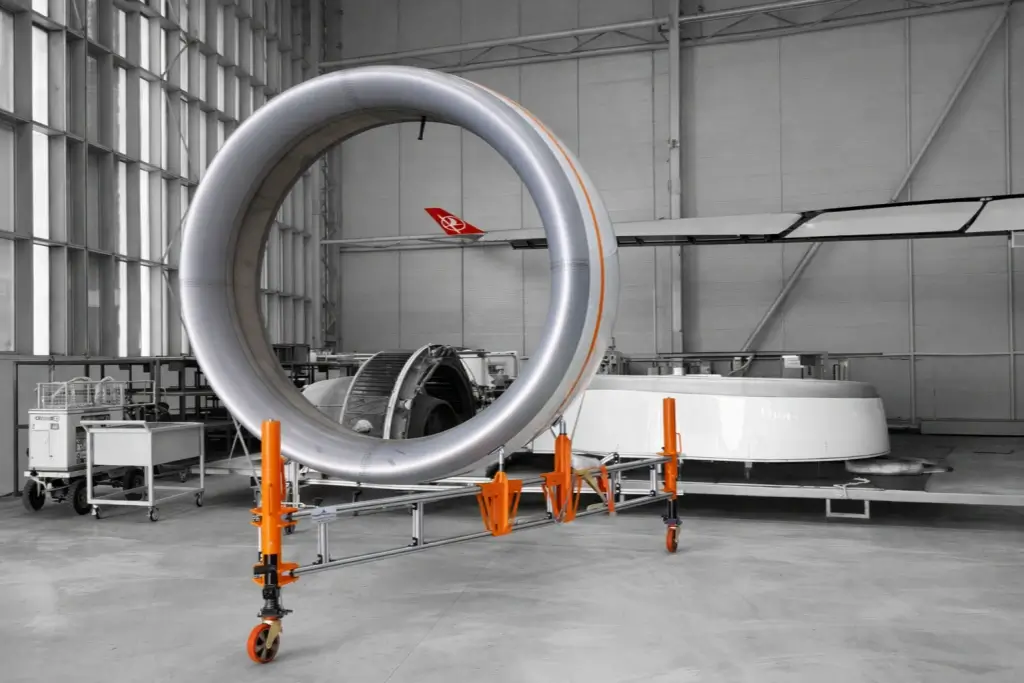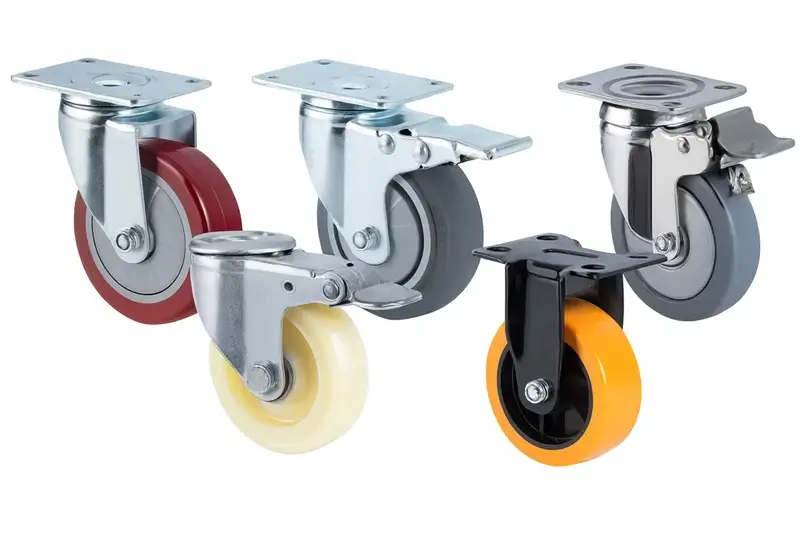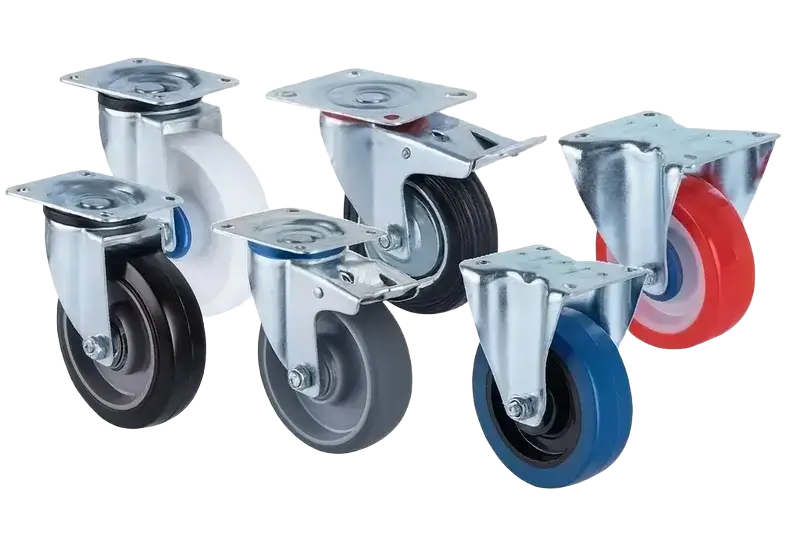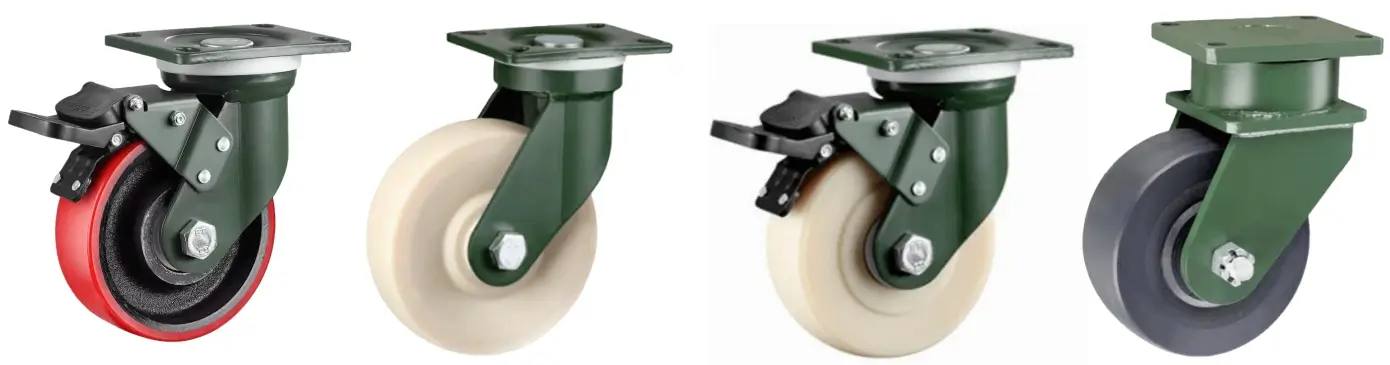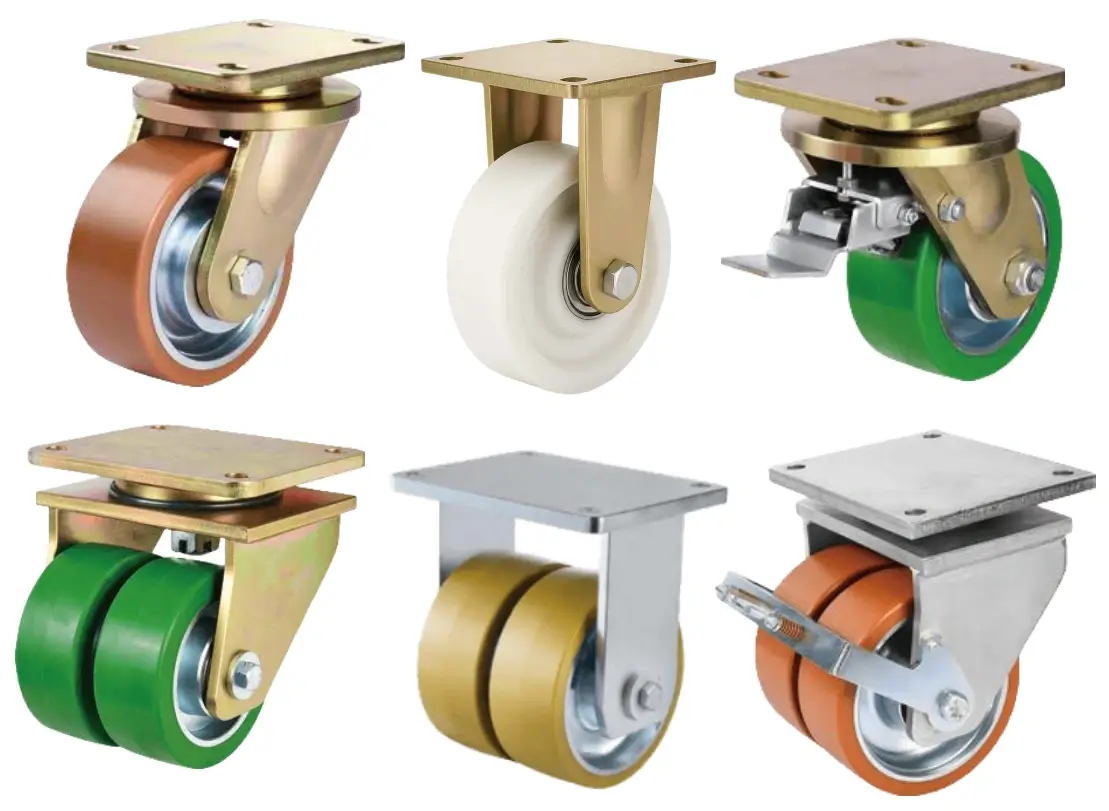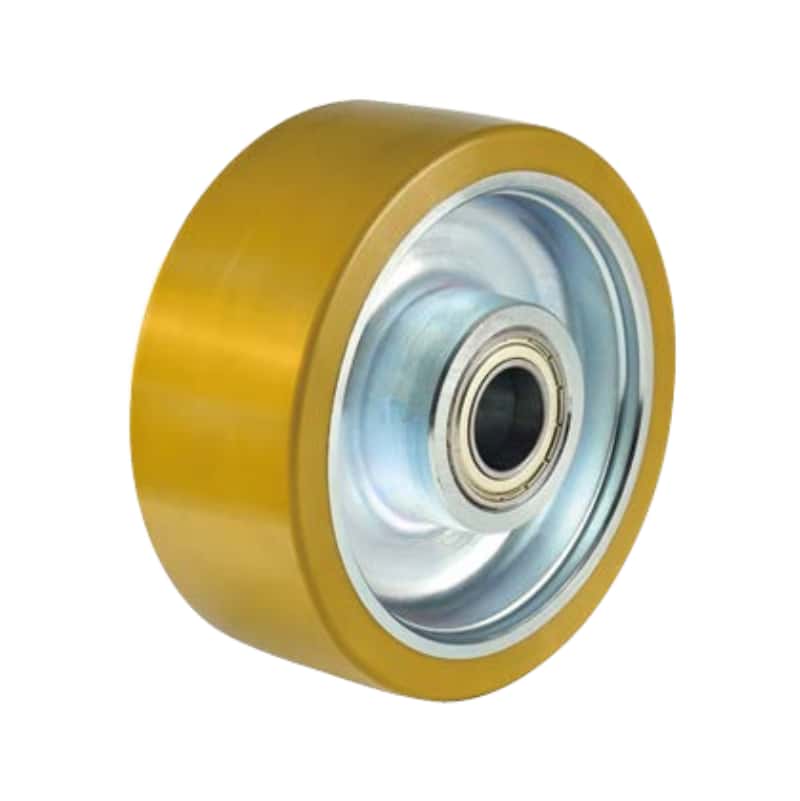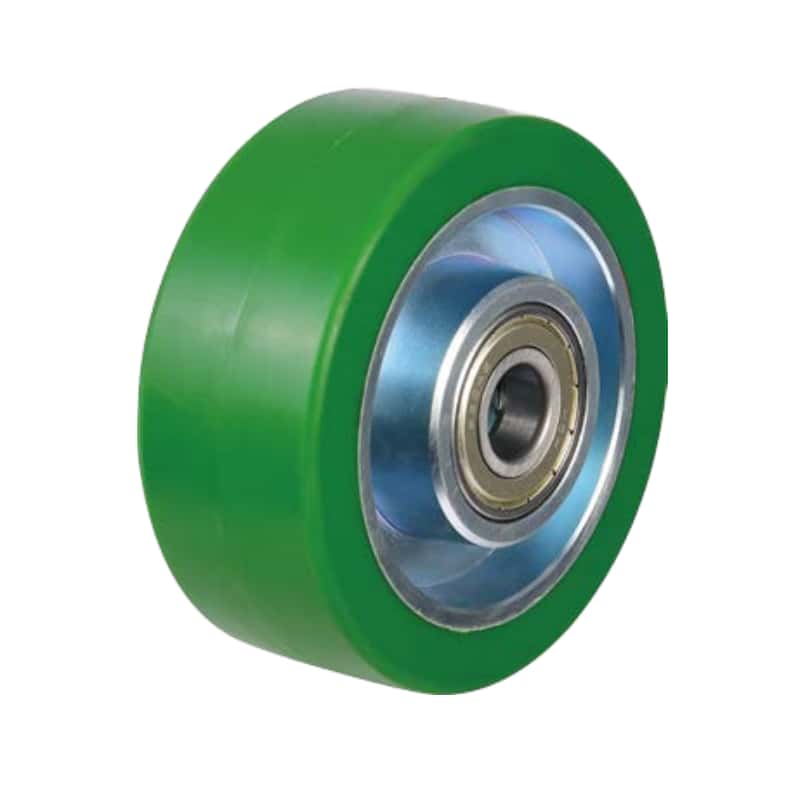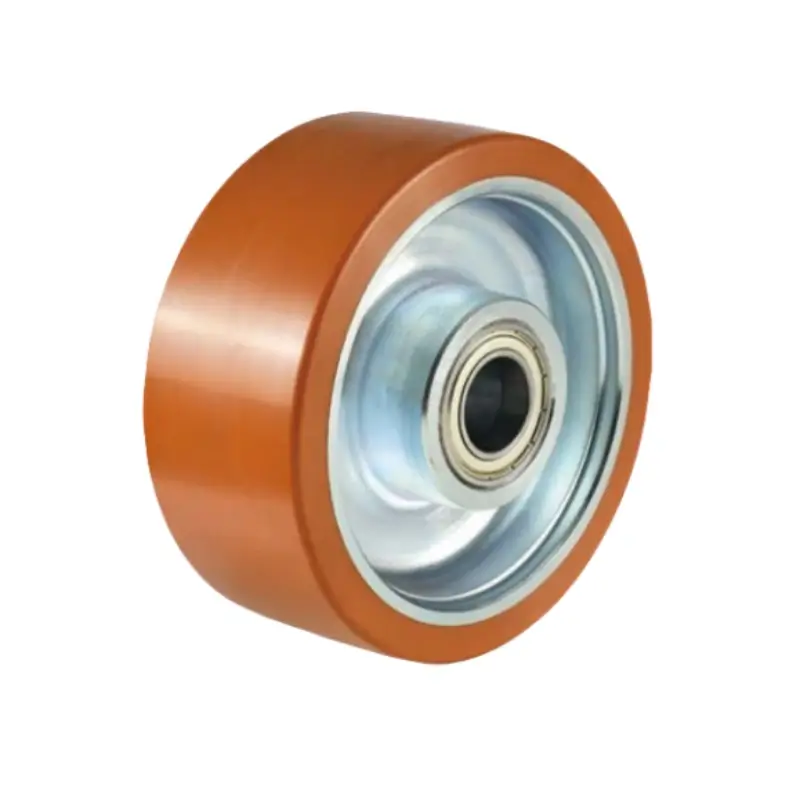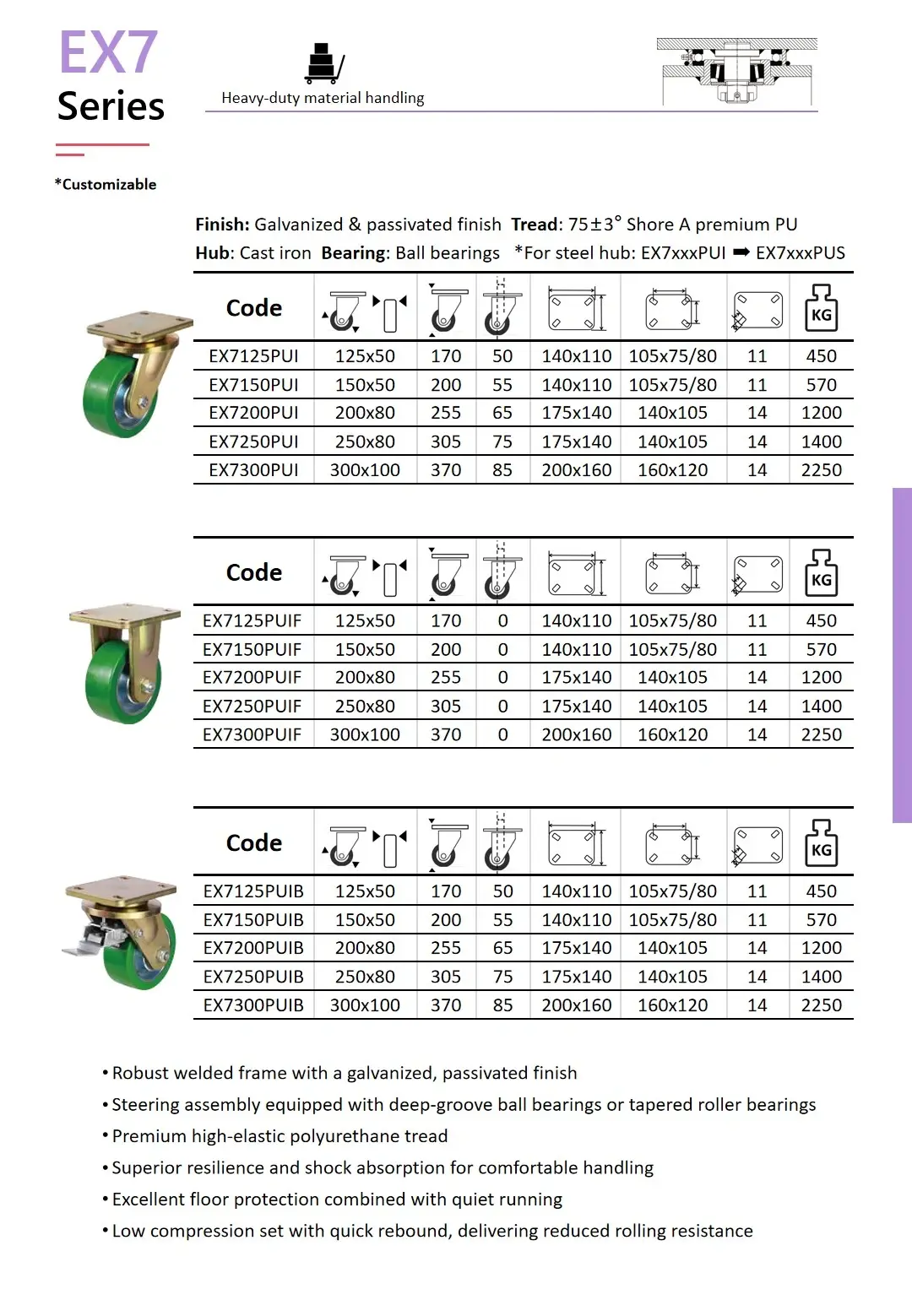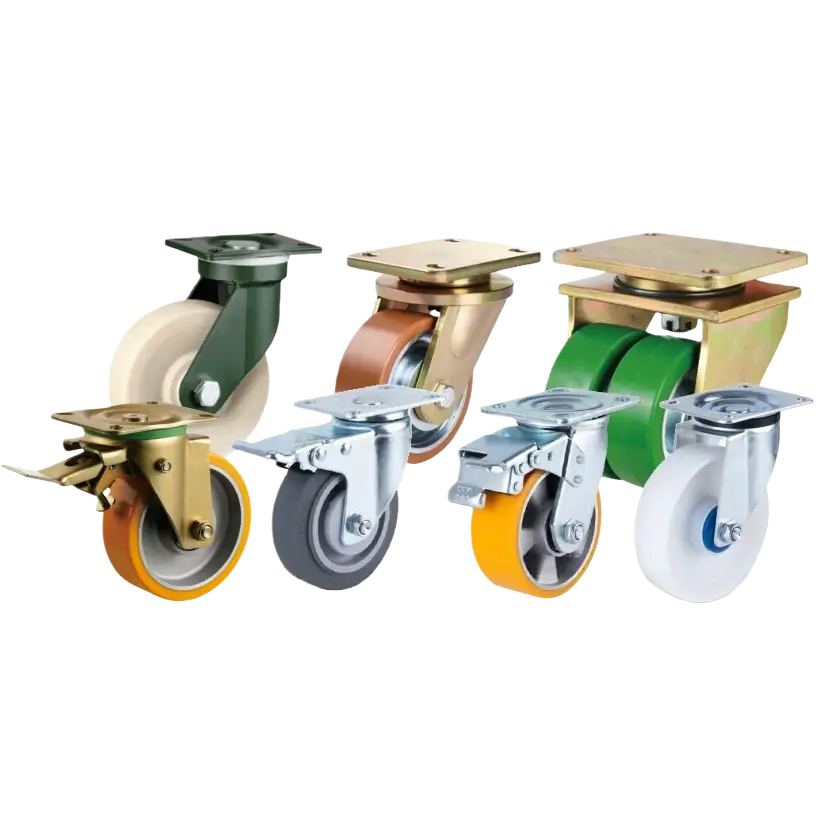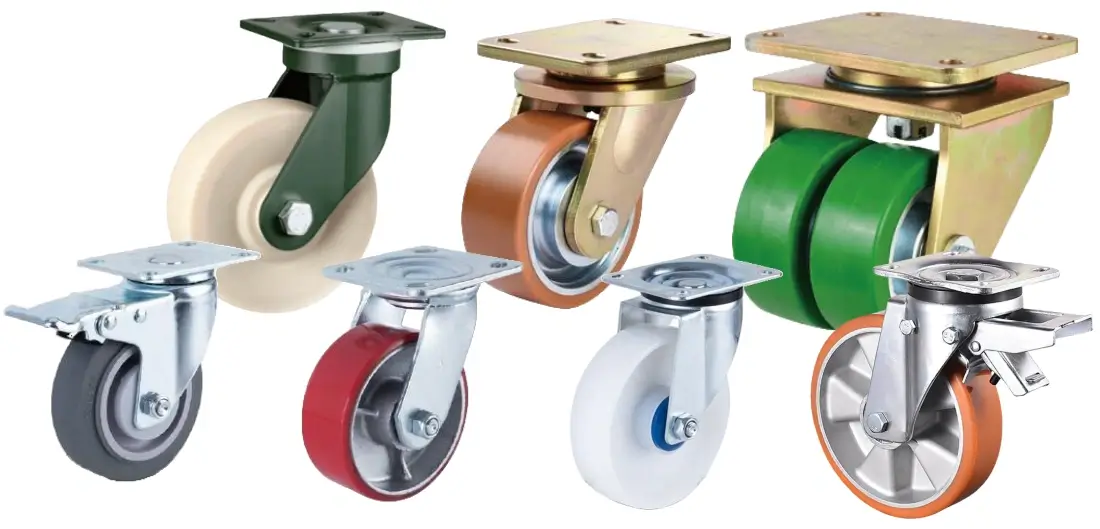
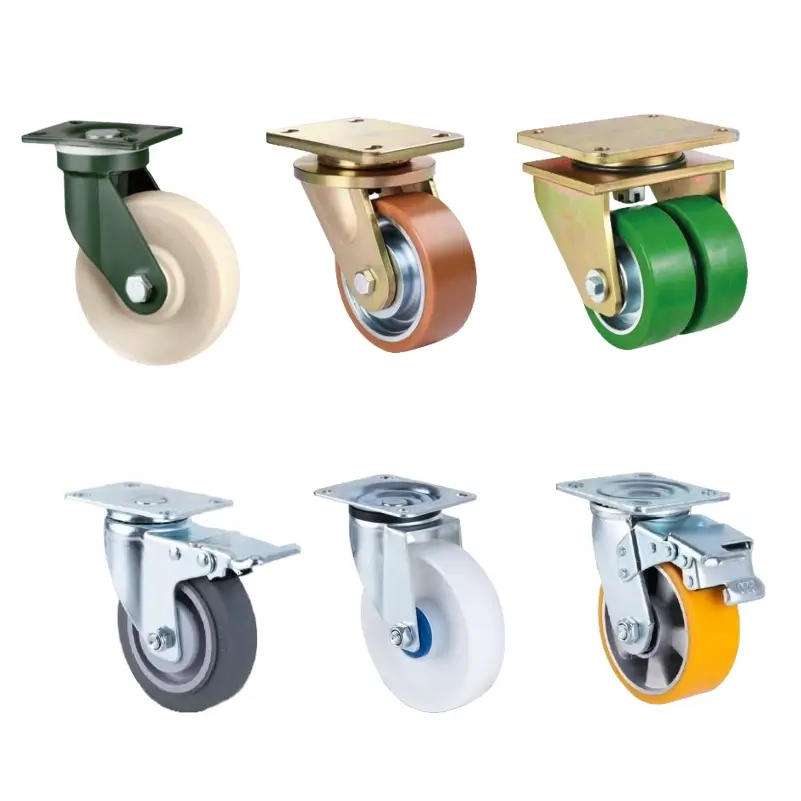
for manufacturing, material handling, and logistics applications
Efficient material handling relies on durable, reliable casters and wheels. The right industrial casters can mean the difference between smooth operations and costly downtime.
In this page, we will show the details of our industrial casters from medium-duty to extra heavy-duty for manufacturing, material handling, and logistics applications.
We still have more, drop us an inquiry, let’s talk!

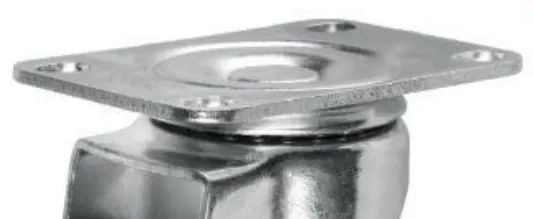
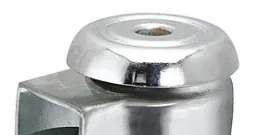
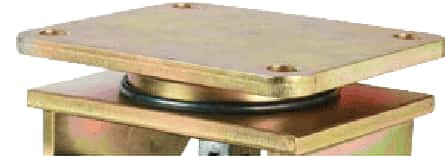
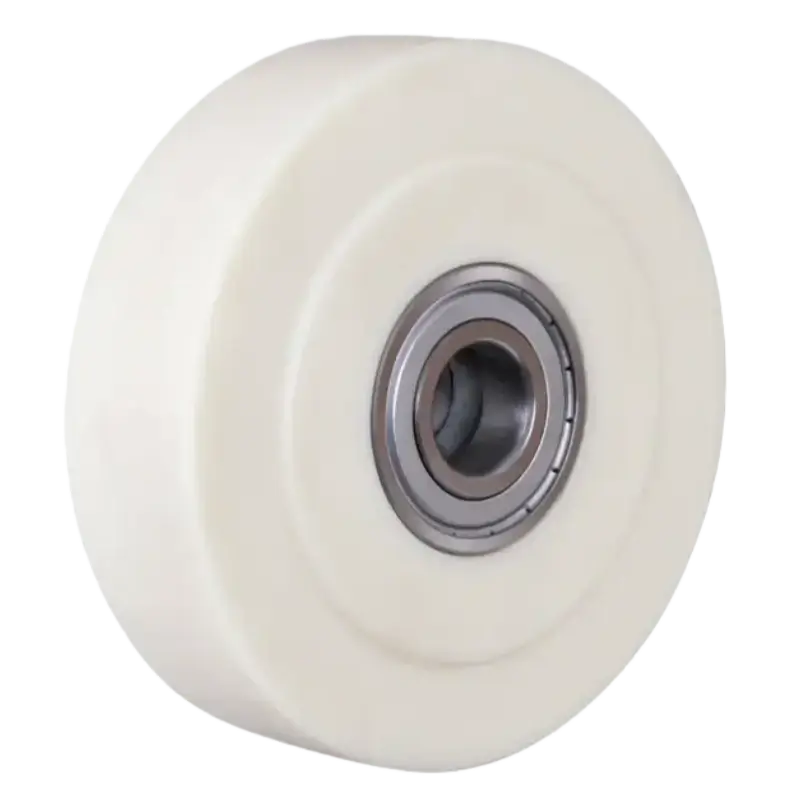
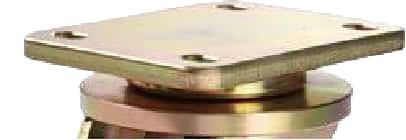
Industrial casters are heavy-duty wheels used on equipment and machinery to allow safe, controlled movement in factories, warehouses, and commercial facilities. They typically consist of a wheel, a mounting plate or stem, and bearings that enable rolling and swiveling for directional control. Built for durability, industrial casters are designed to carry heavy loads and withstand frequent movement on concrete, metal grating, and other industrial floor surfaces.
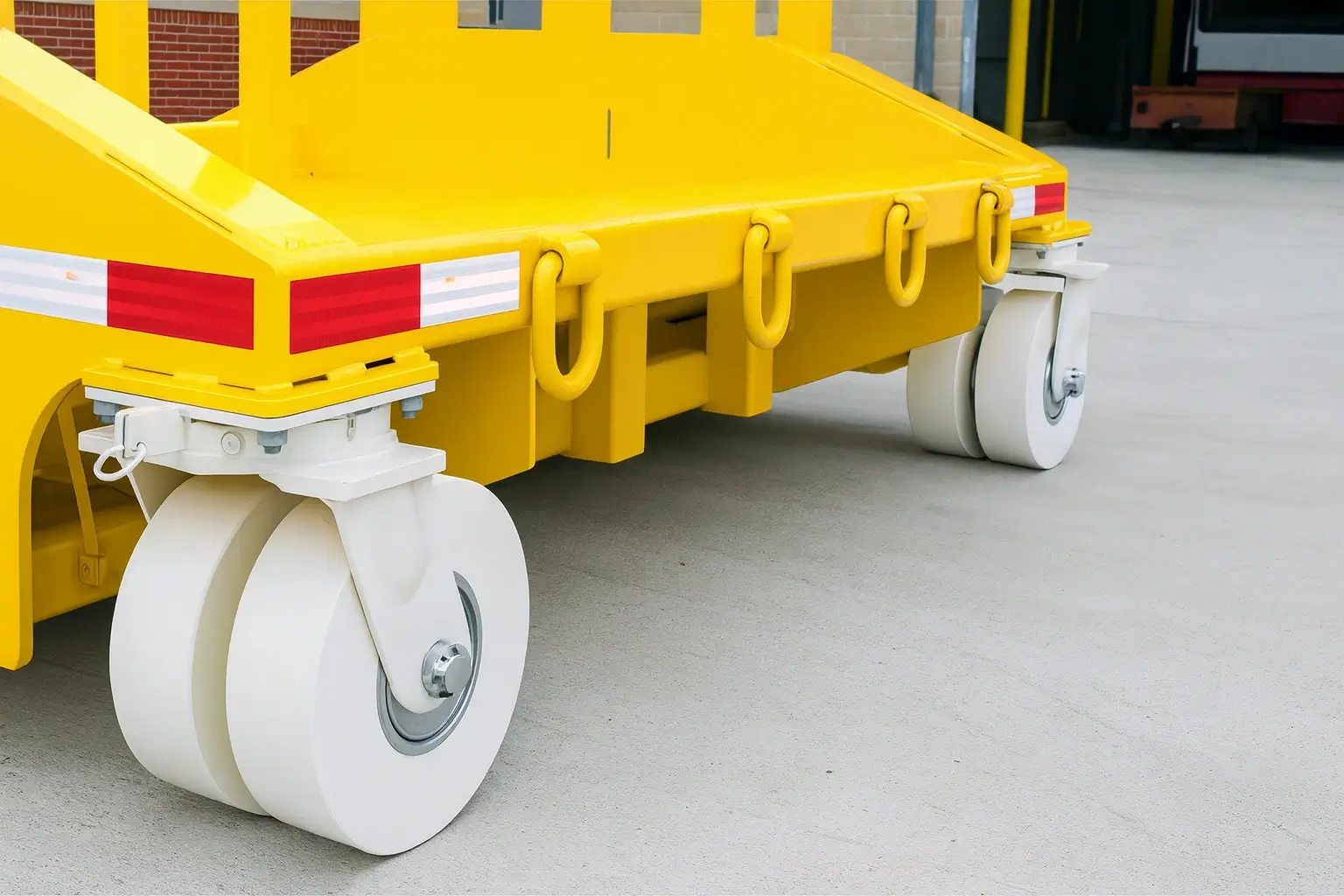
Allow heavy equipment to be moved easily and precisely, provide smooth rolling and make it possible to navigate tight spaces.
Ergonomic casters require less force to push or pull, provide greater control and stability, and often include brakes or locks to prevent runaway equipment.
Used in manufacturing, warehousing, healthcare, retail, laboratories and event management. This adaptability makes them a universal mobility solution for many sectors.
Can bear substantial weights and endure continuous use. Heavy‑duty versions can carry very heavy machinery and maintain performance over time.


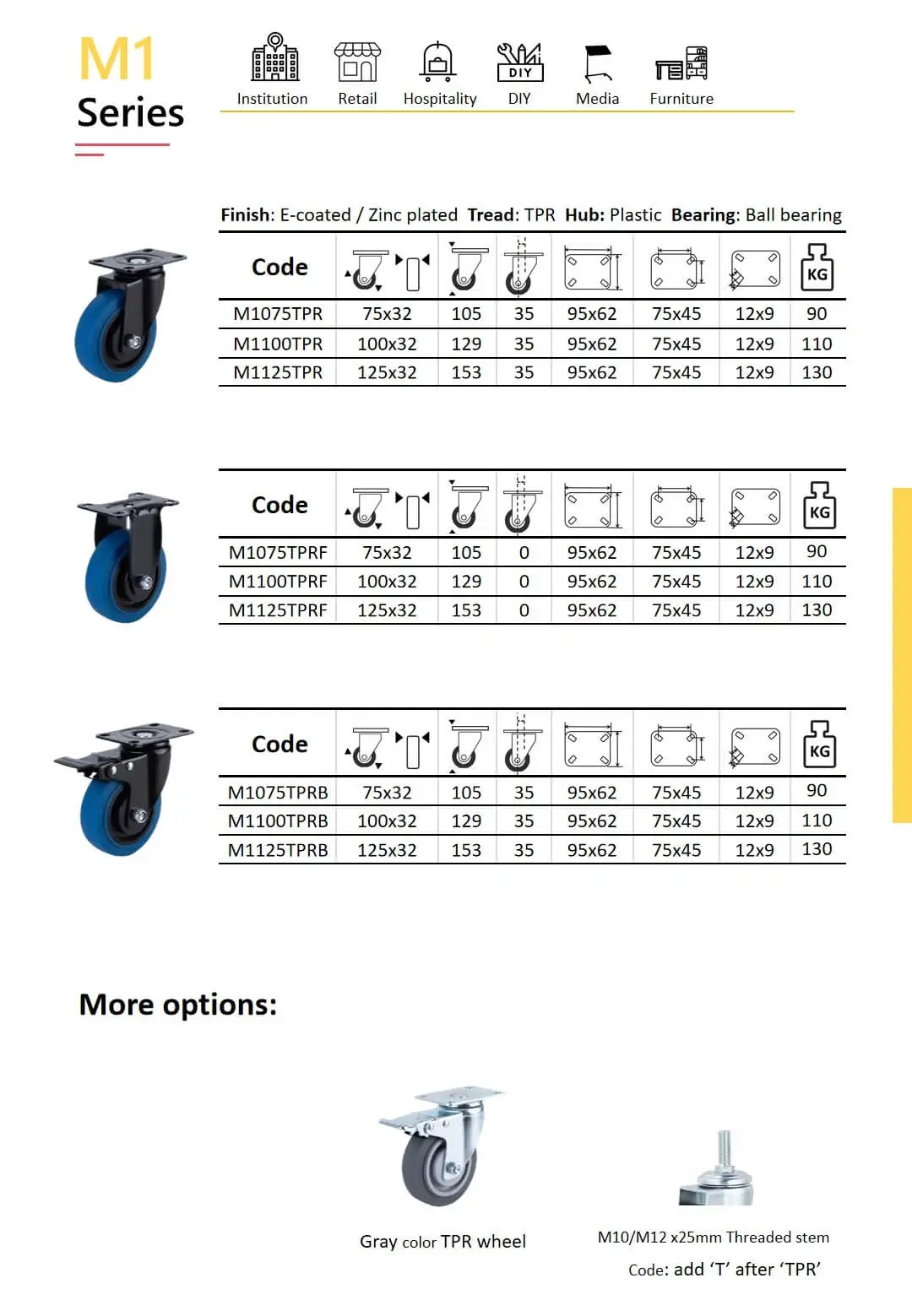
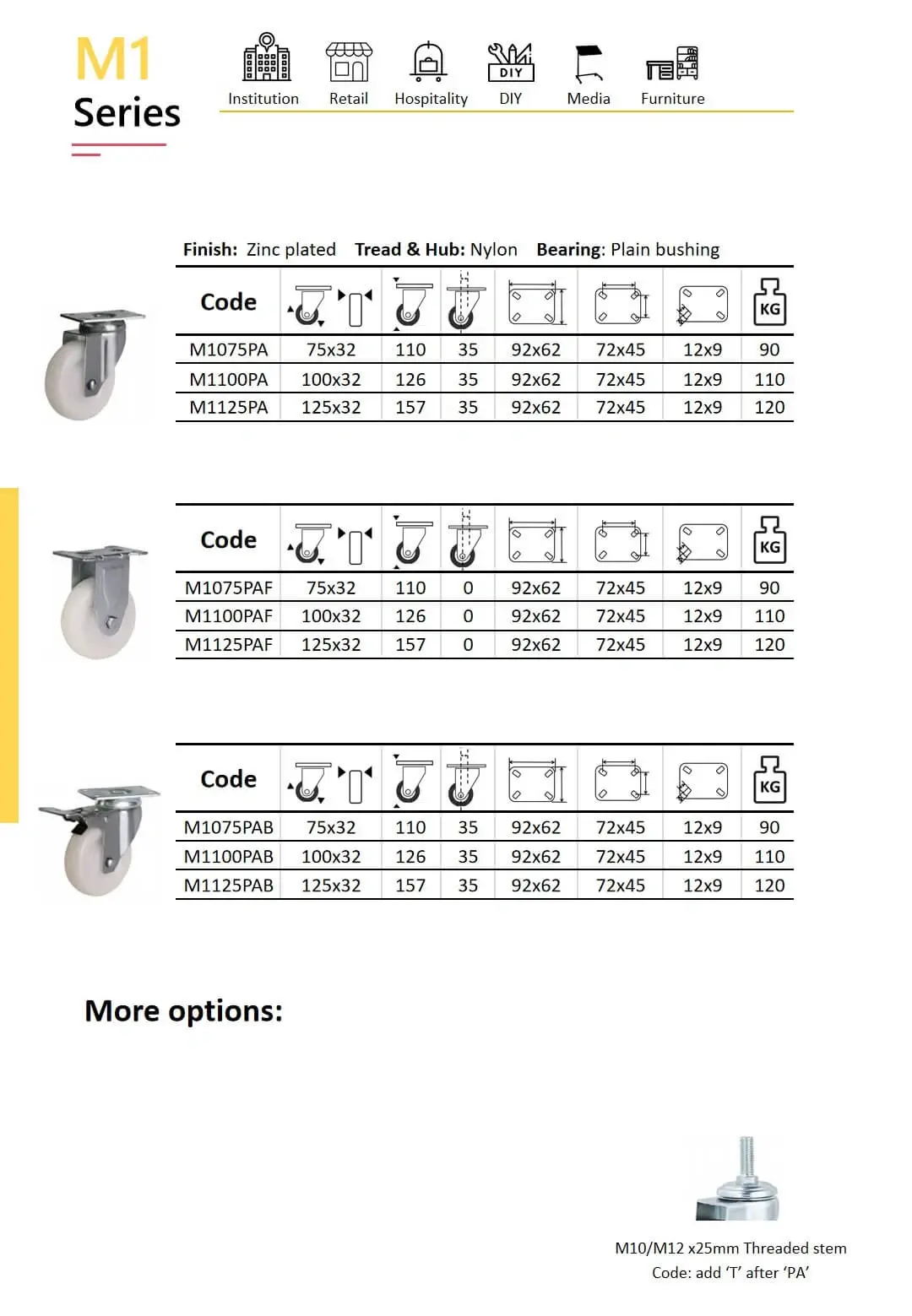
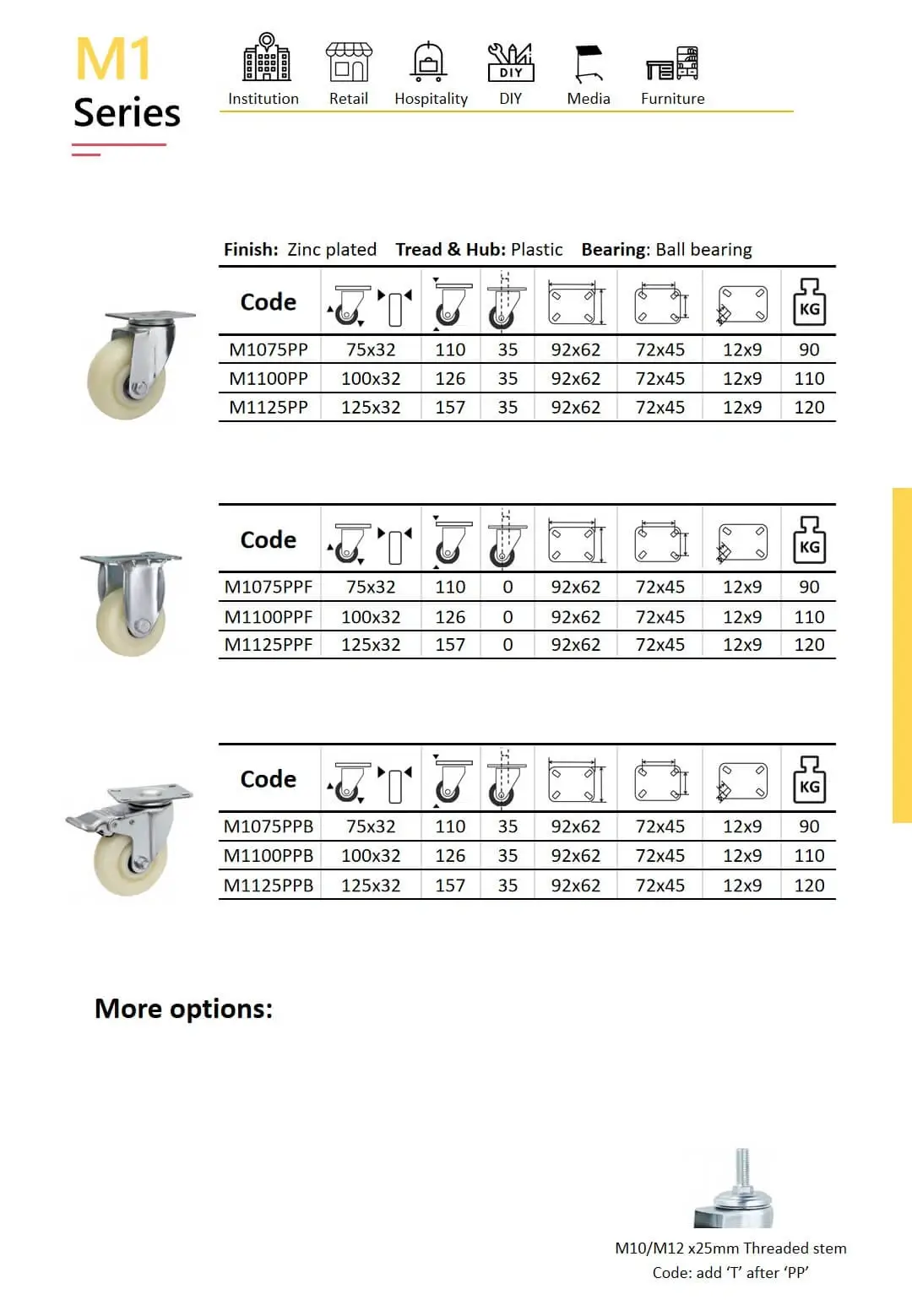
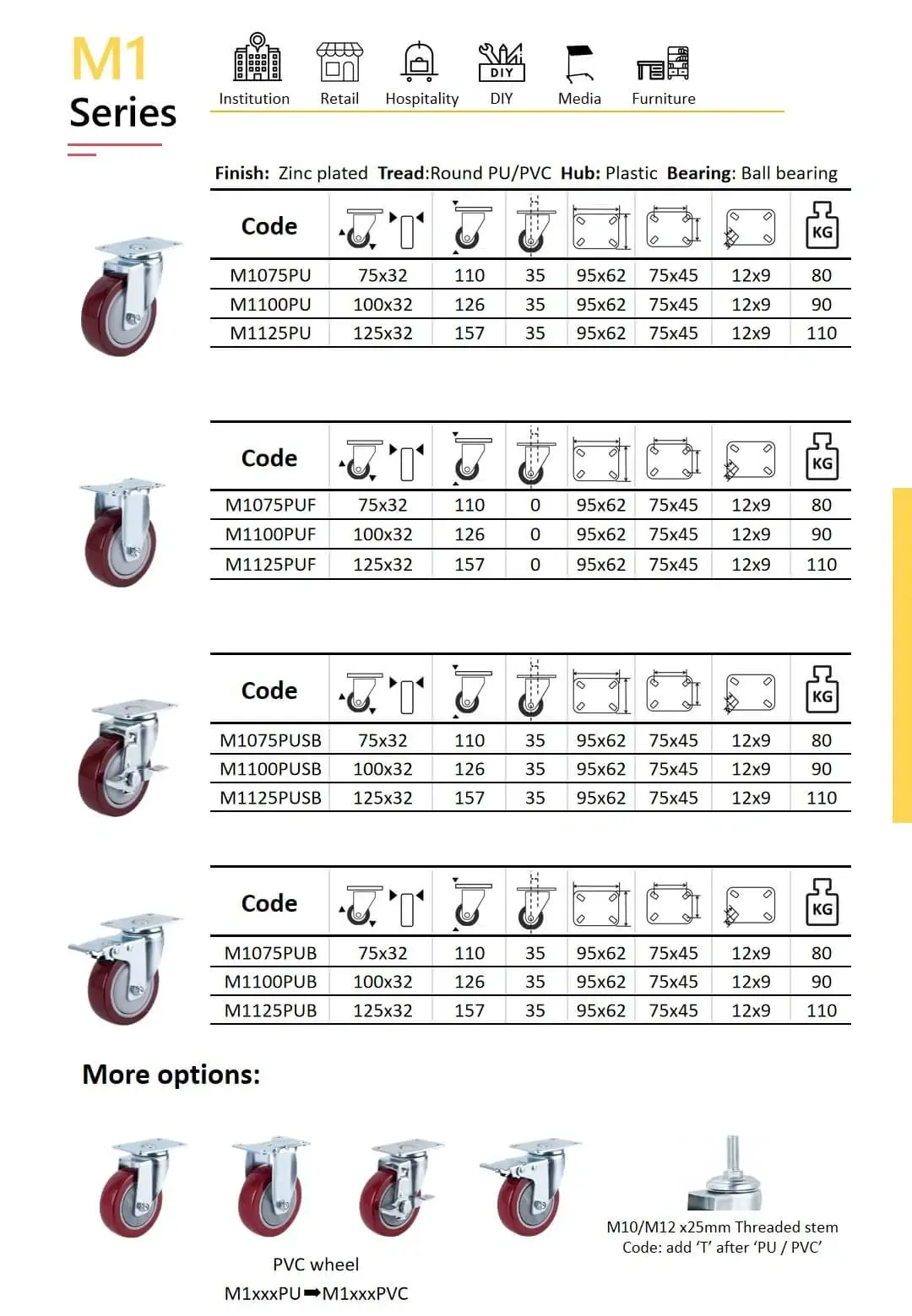
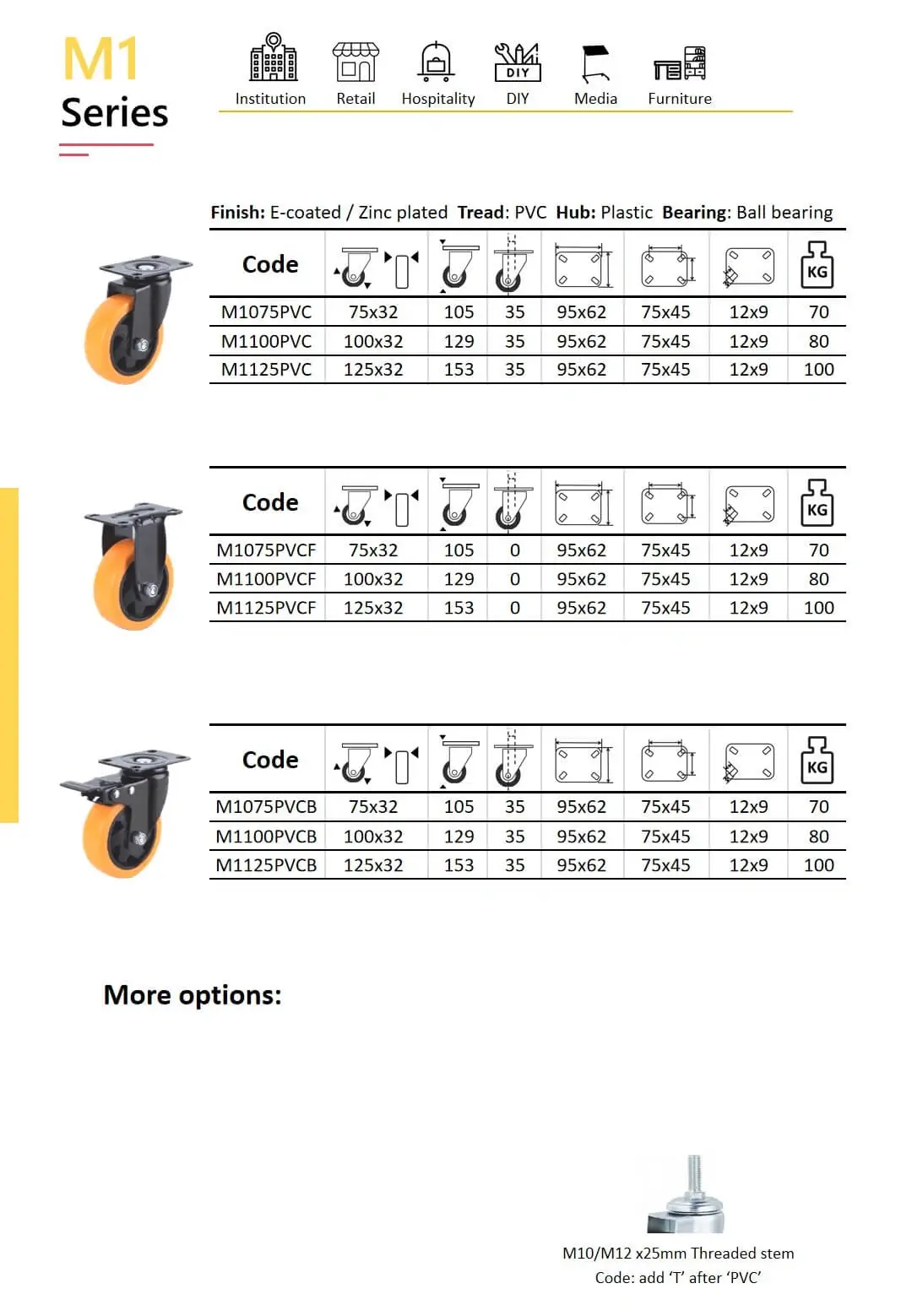
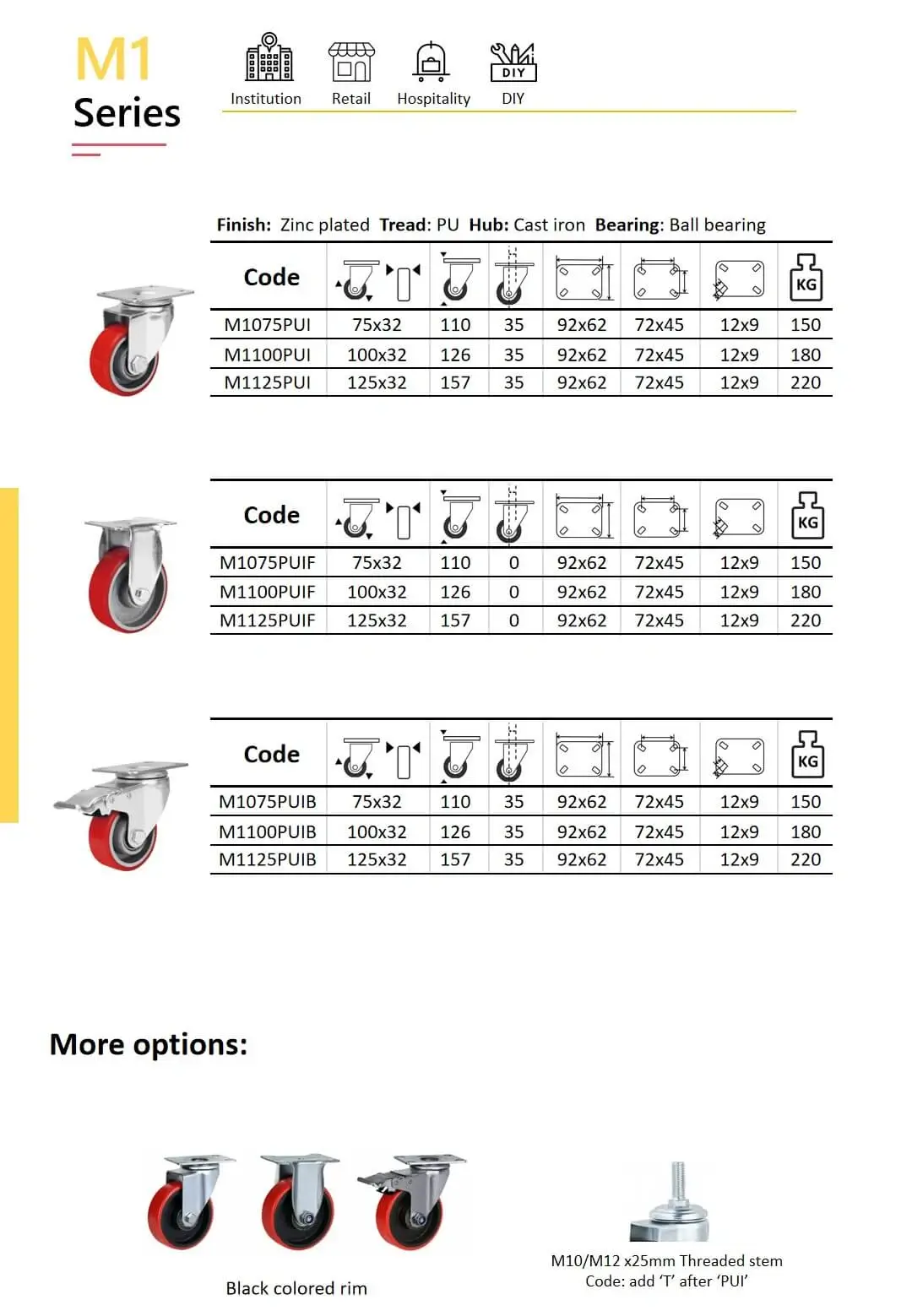
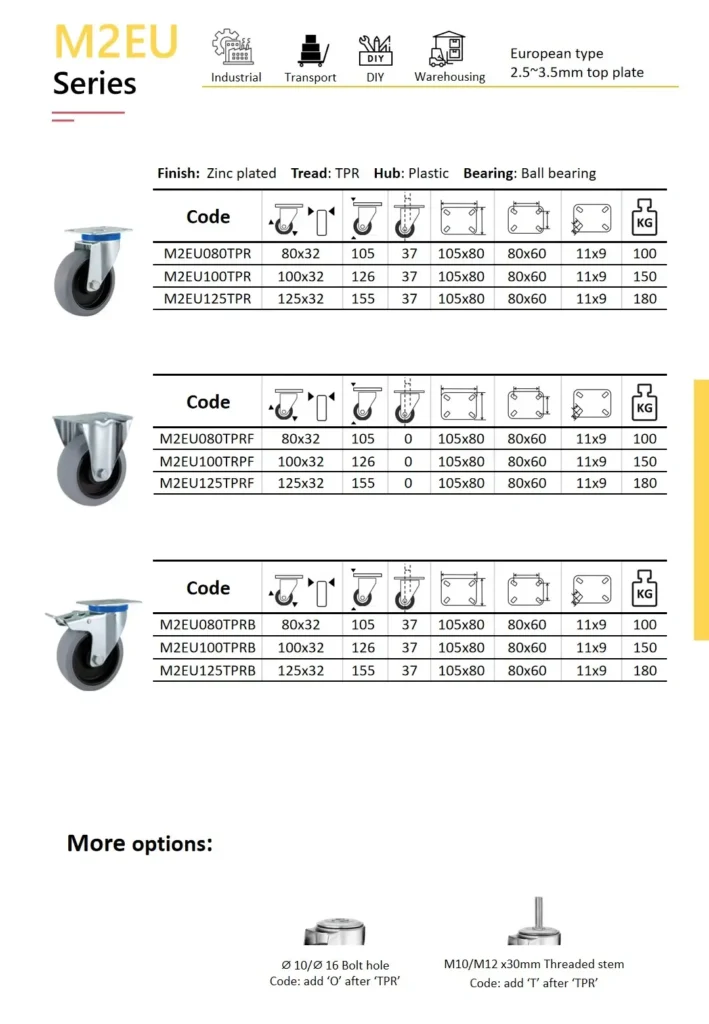
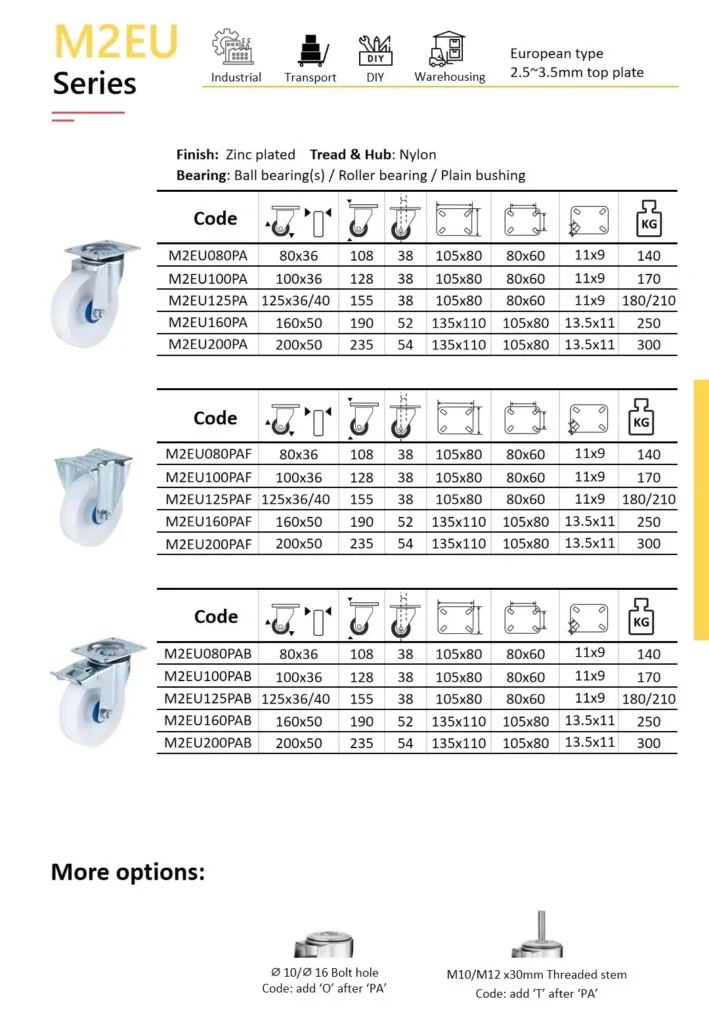
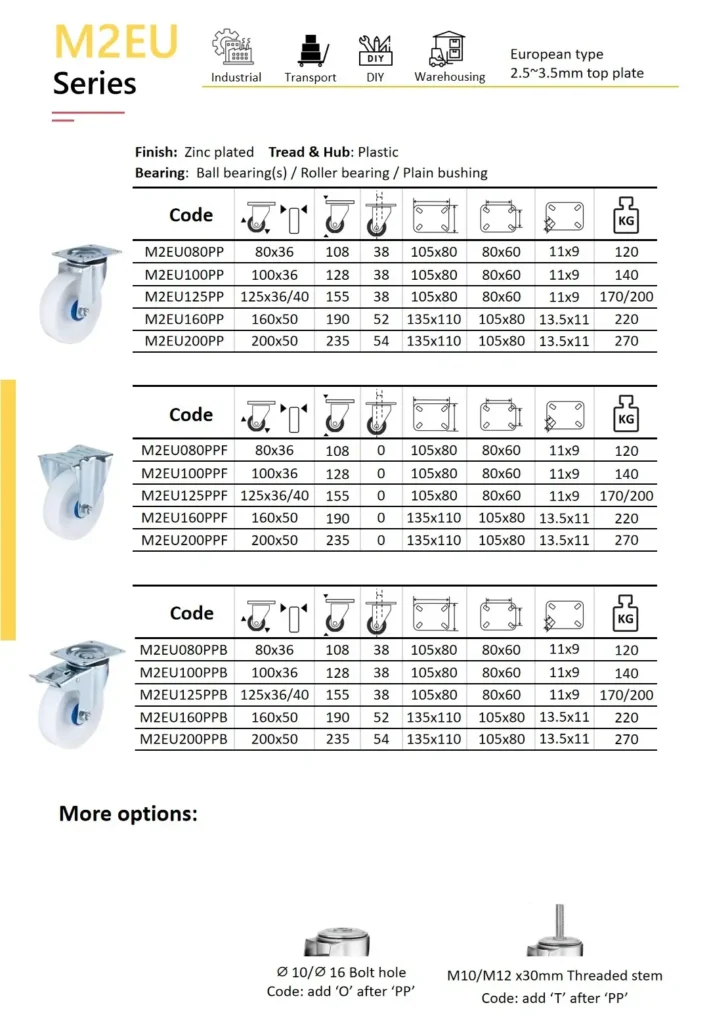
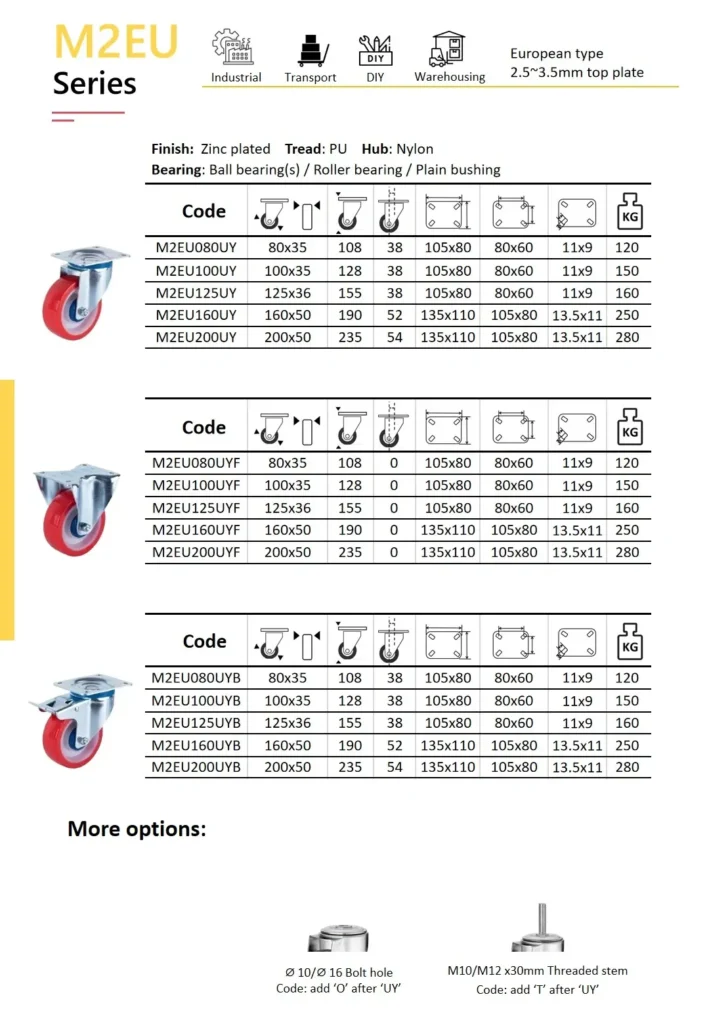
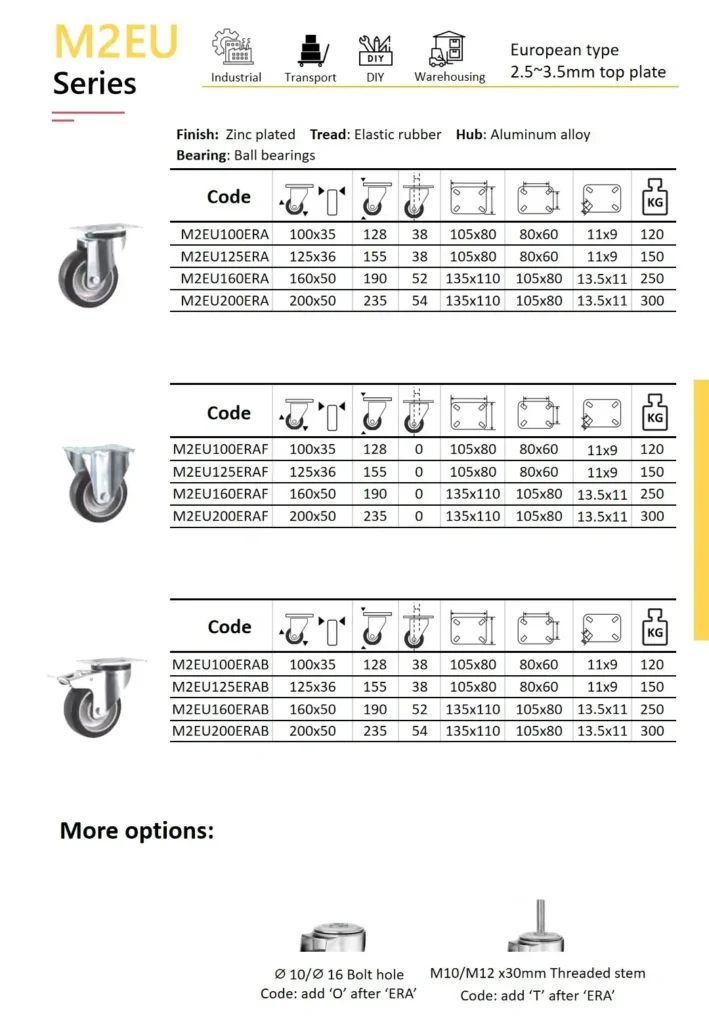
Medium duty industrial casters for dollies, hand carts, warehouse carts, pick up carts, hand trolleys, tool cabinets, etc


24~72 hours salt spray test passed
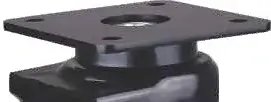
500 hours salt spray test passed
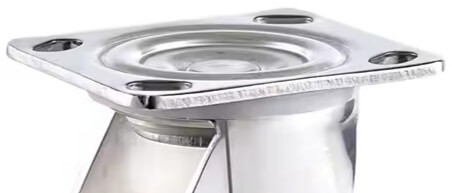
1,000 hours salt spray test passed
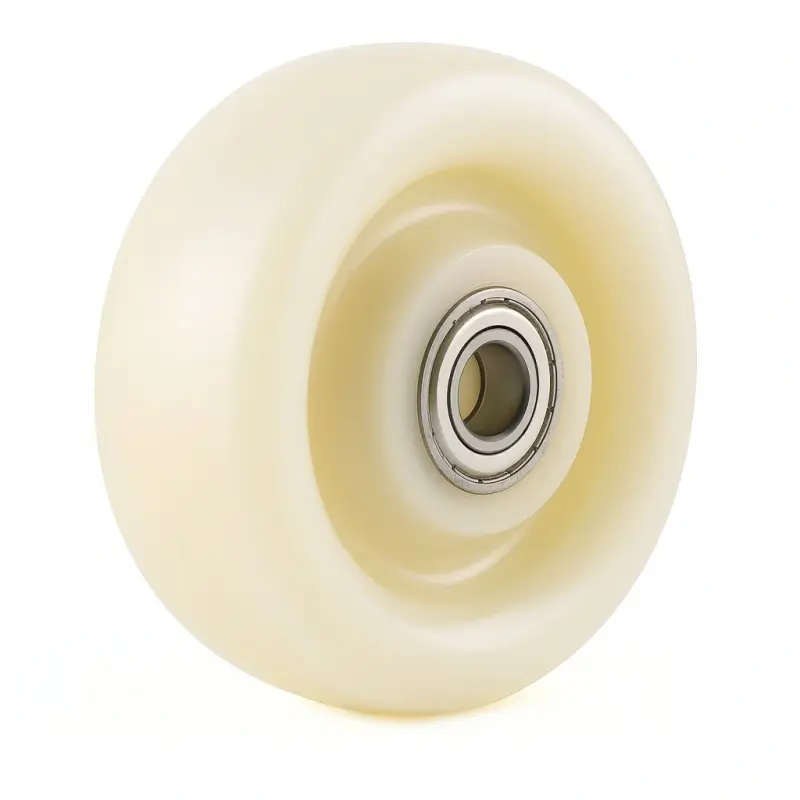
75mm~125mm

Bearing options: Double ball bearings
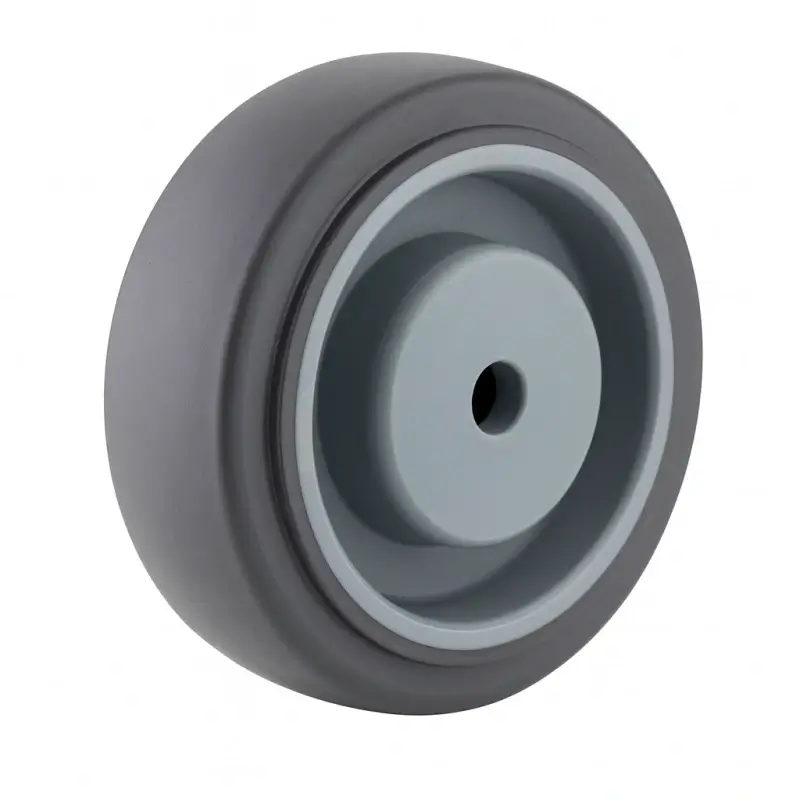
Bearing option: Double ball bearings
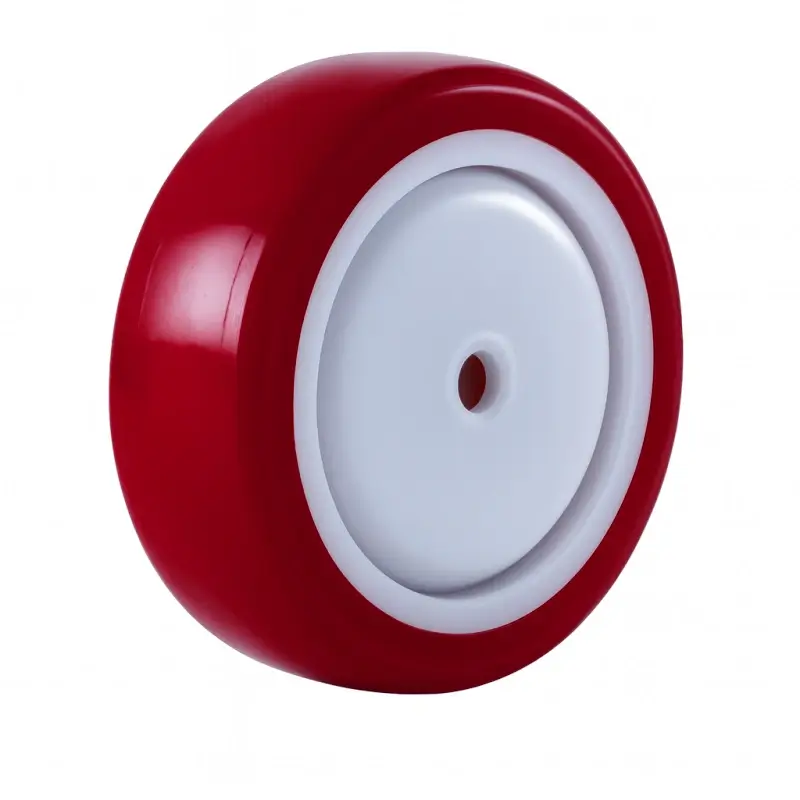
Bearing options: Single ball bearing
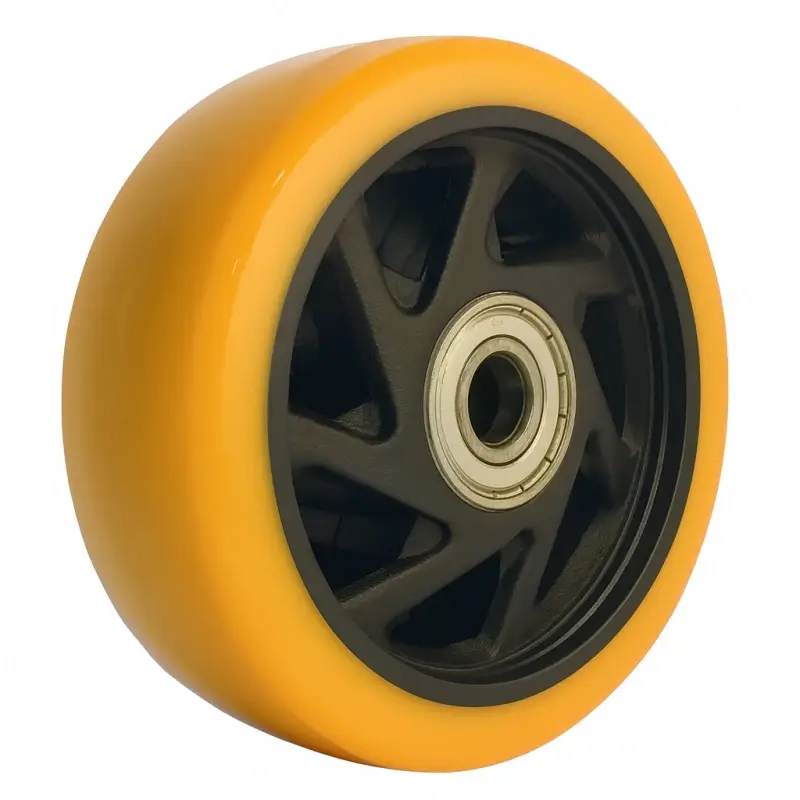
Bearing options: Double ball bearings
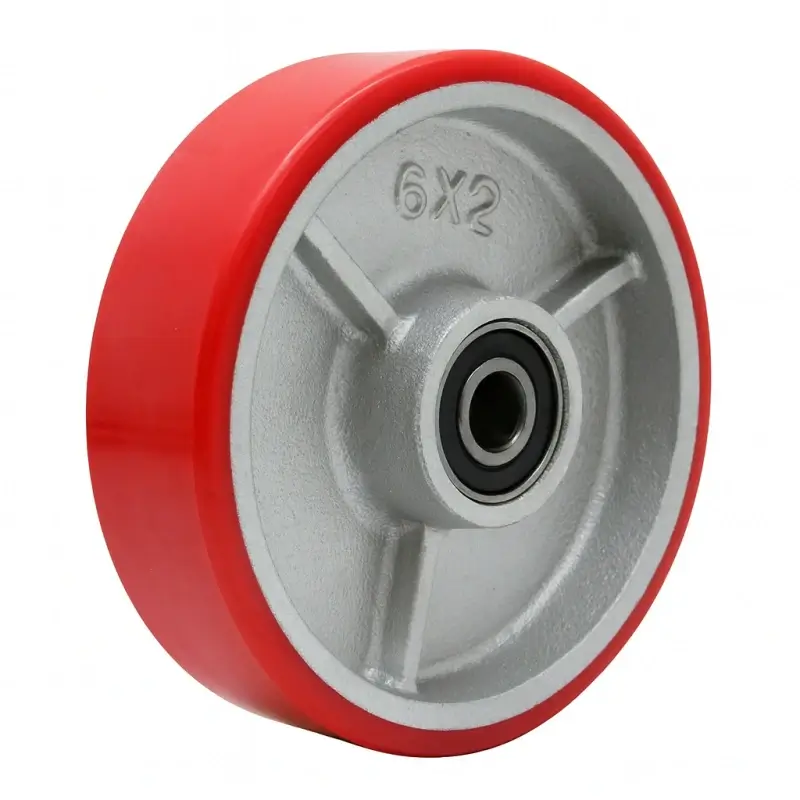
Bearing options: Double ball bearings
Up to 150KGs


24~72 hours salt spray test passed

500 hours salt spray test passed

1,000 hours salt spray test passed
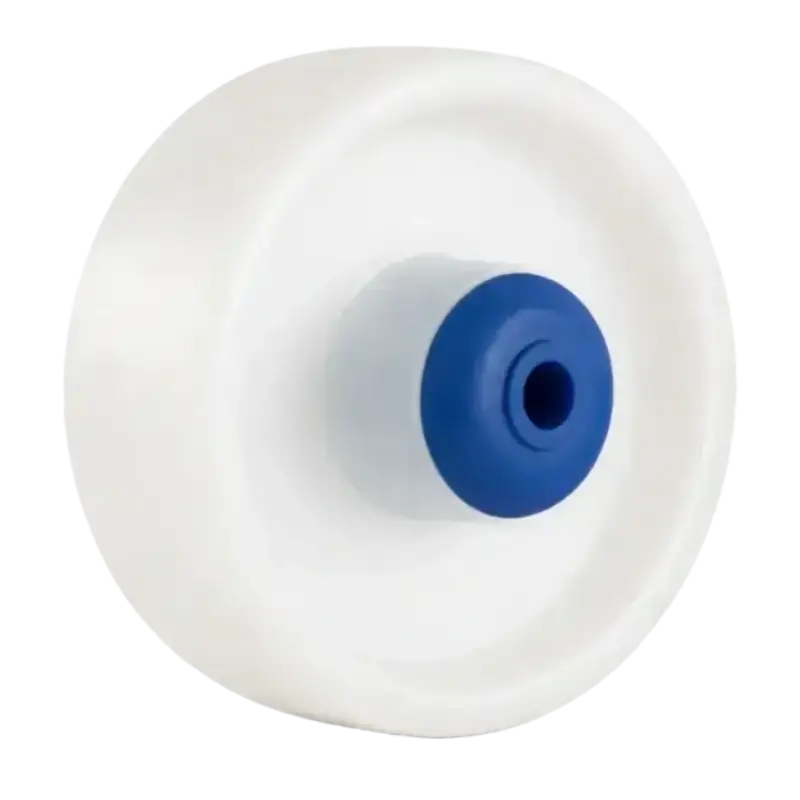
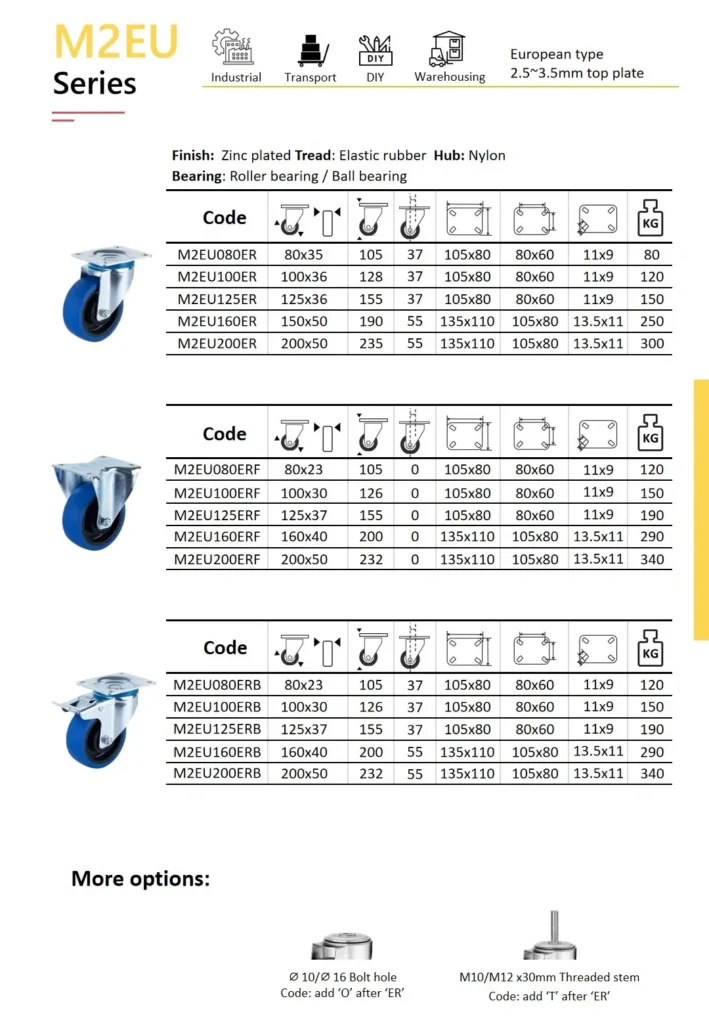
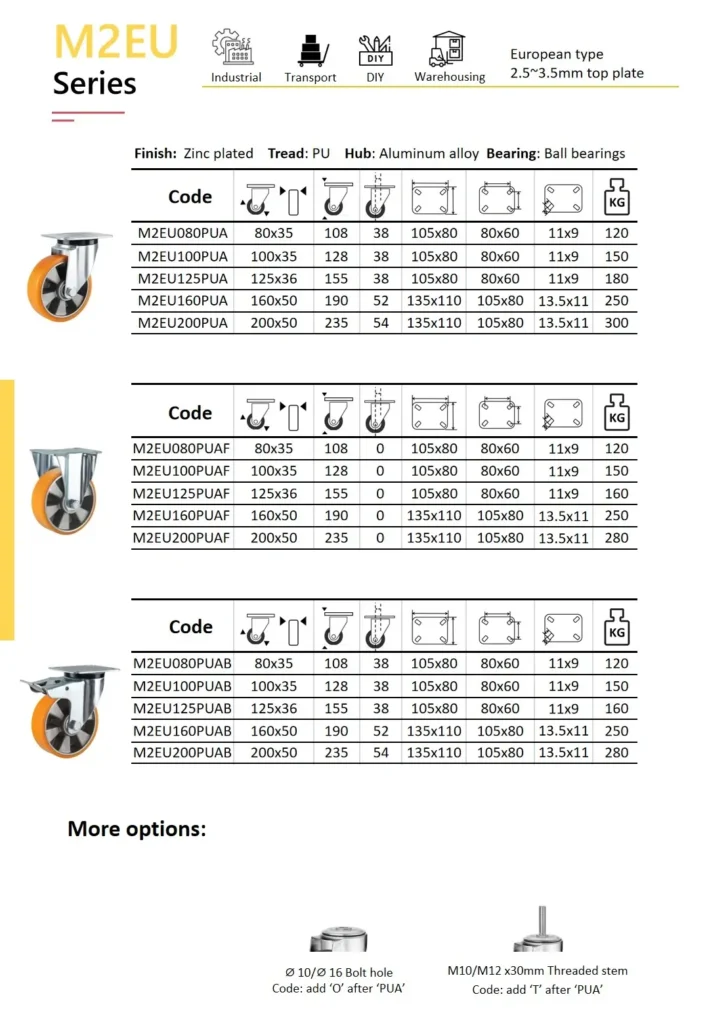
80mm~200mm

Bearing options: Plain bushing / Roller bearing / Single ball bearing (can withstand -30℃)
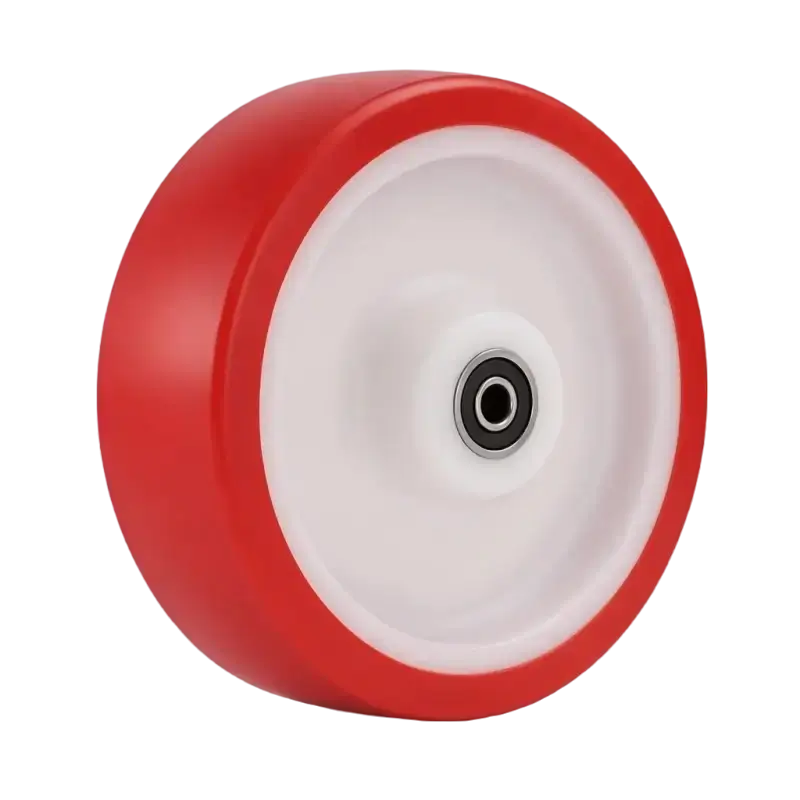
Bearing: Plain bushing
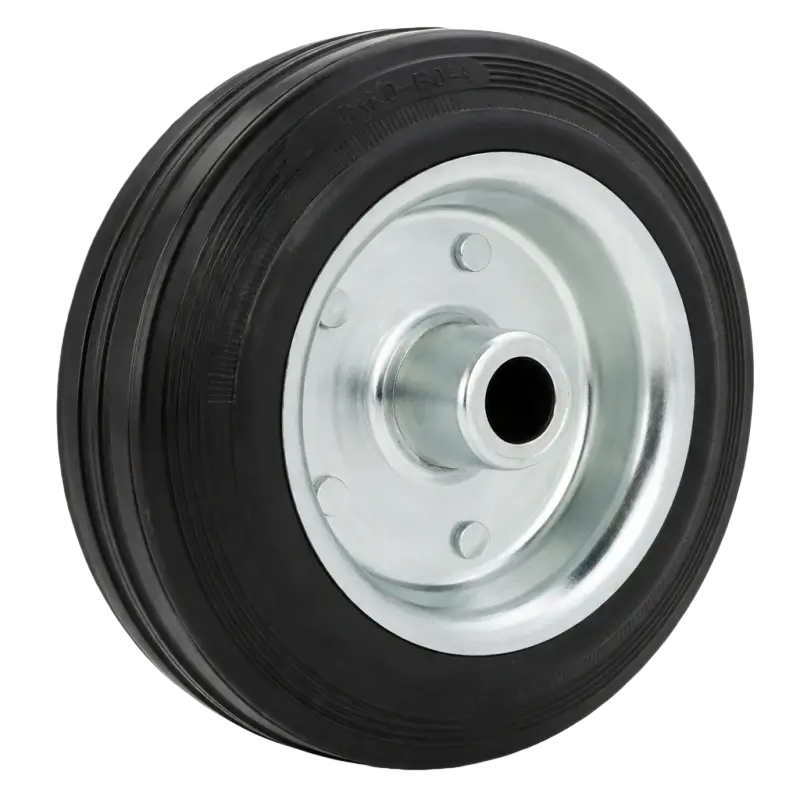
Bearing: Roller bearing
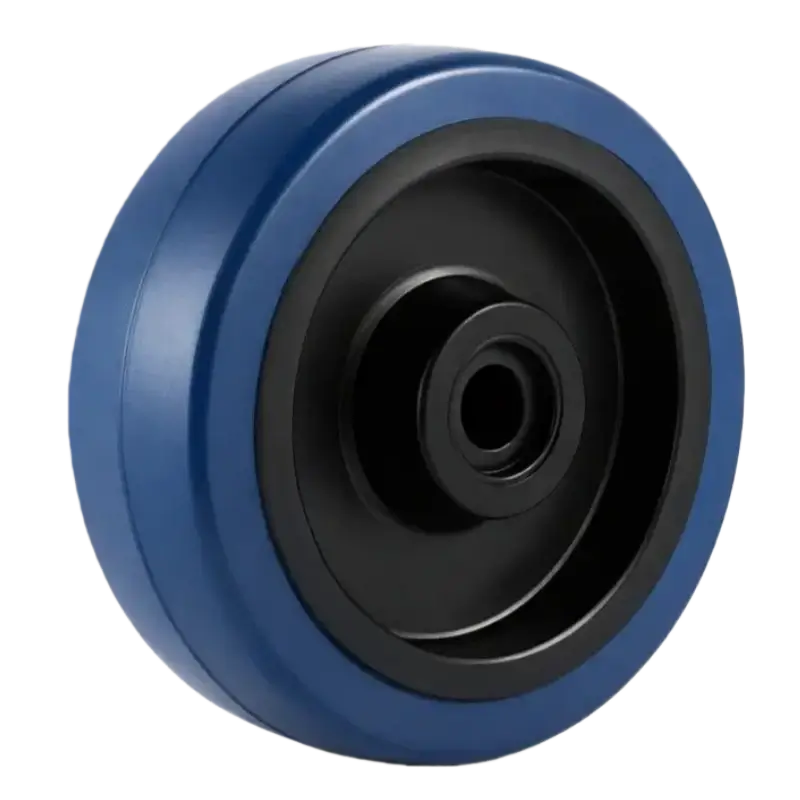
Bearing options: Roller bearing / Ball bearing
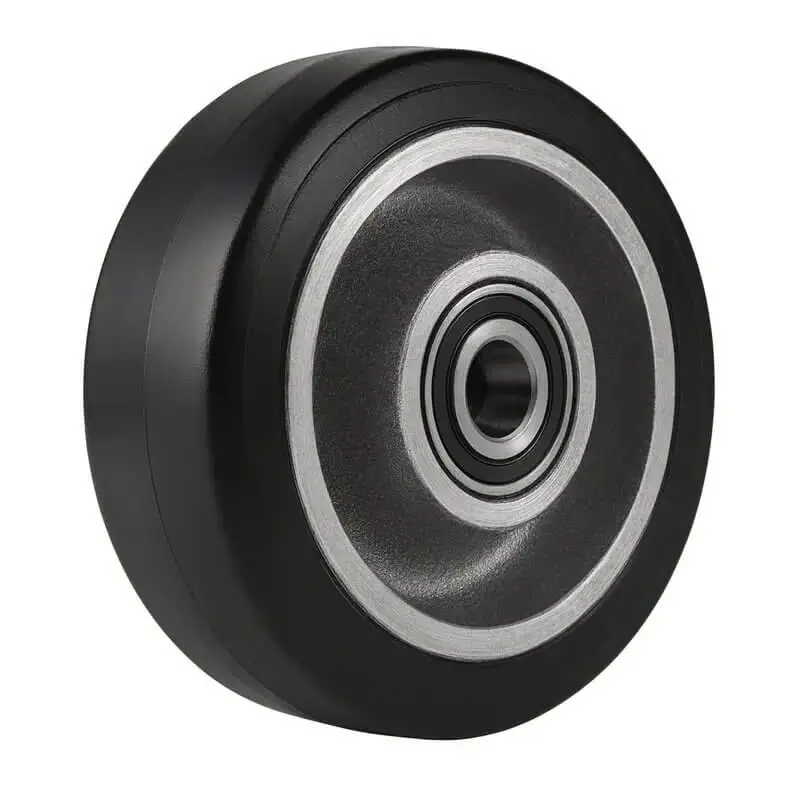
Bearing: Double ball bearings
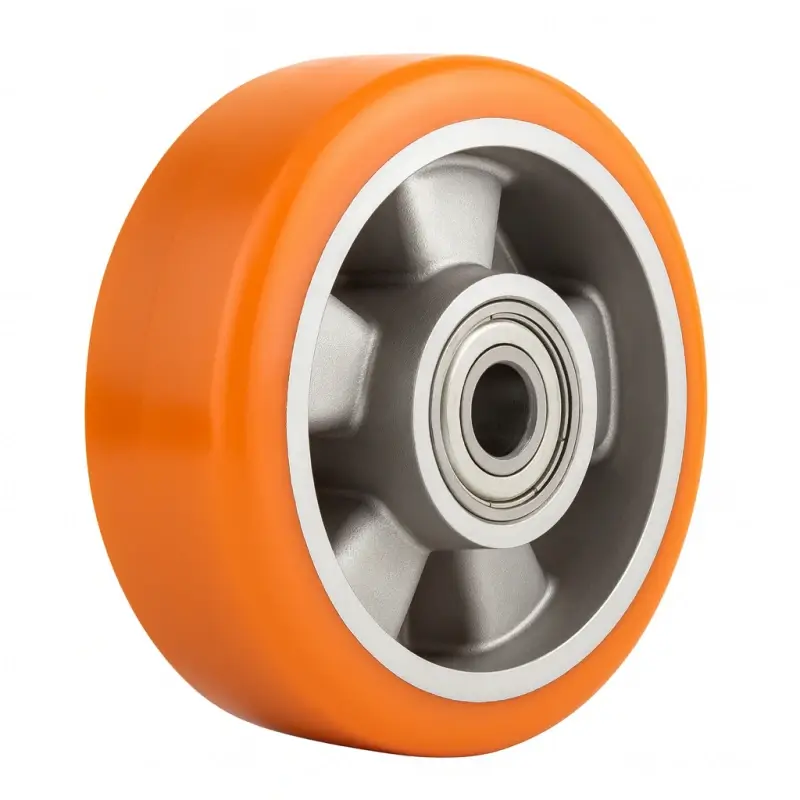
Bearing: Double ball bearings
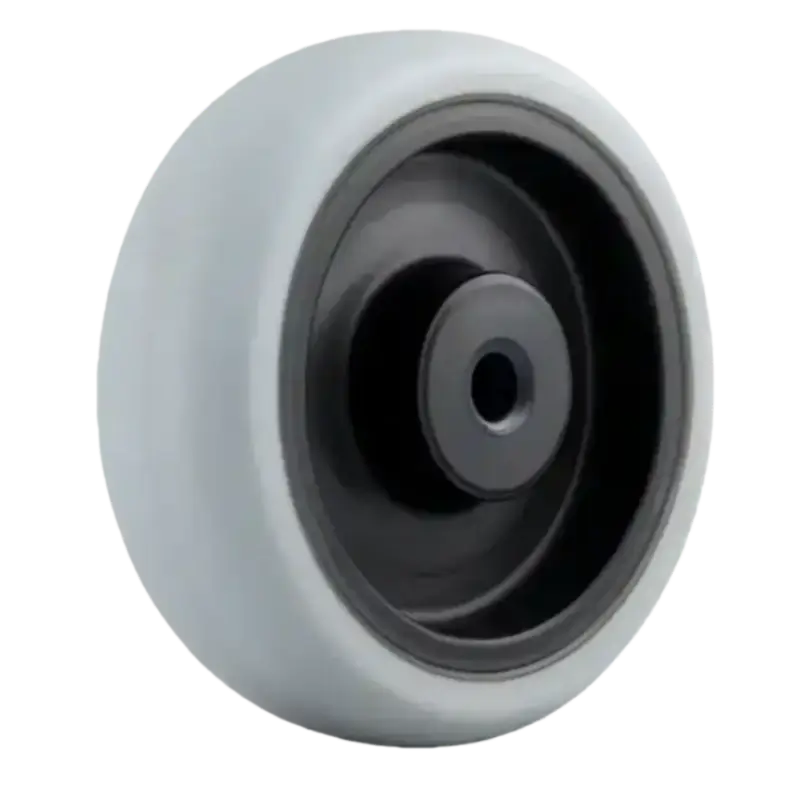
Bearing options: Single ball bearing
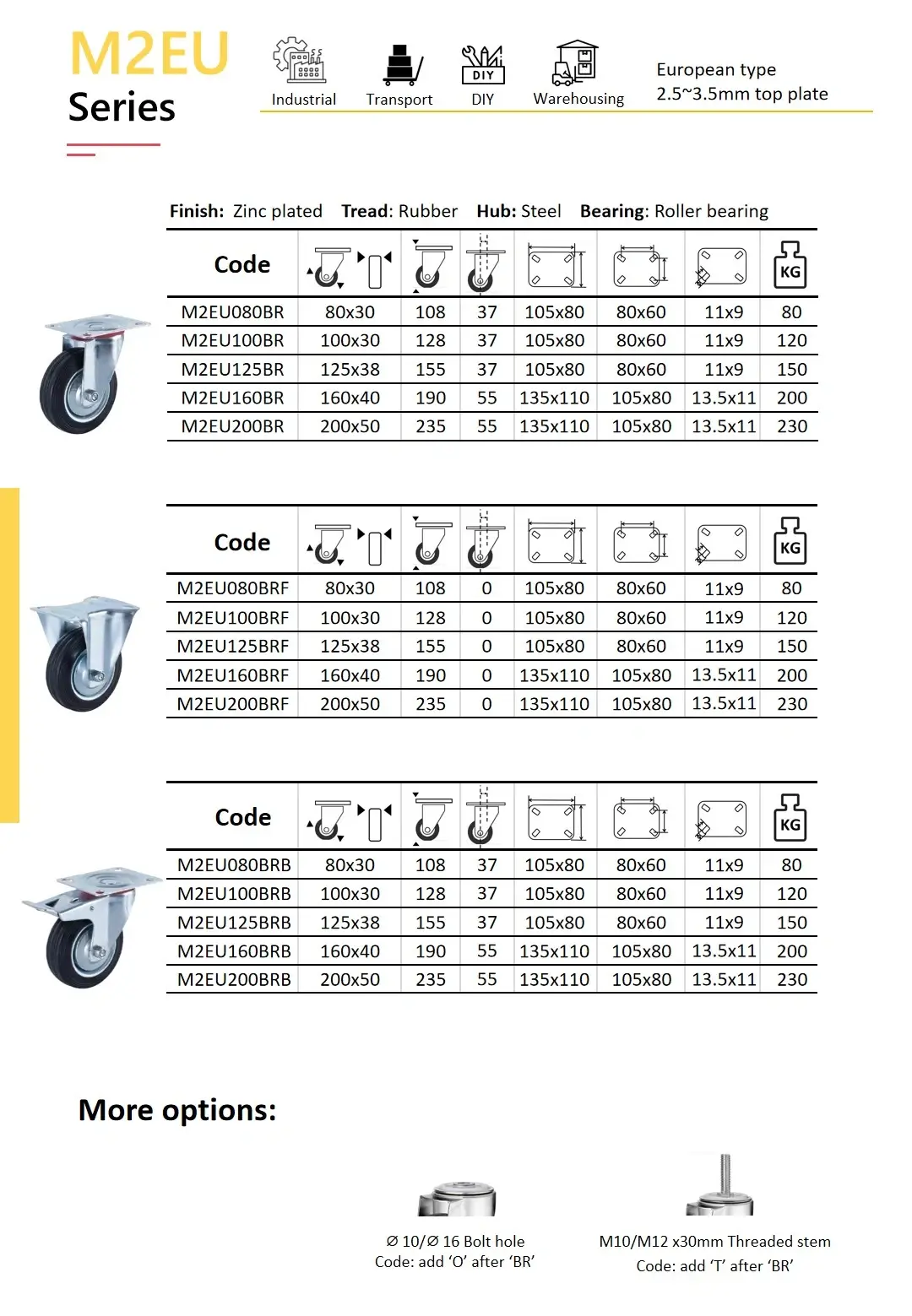
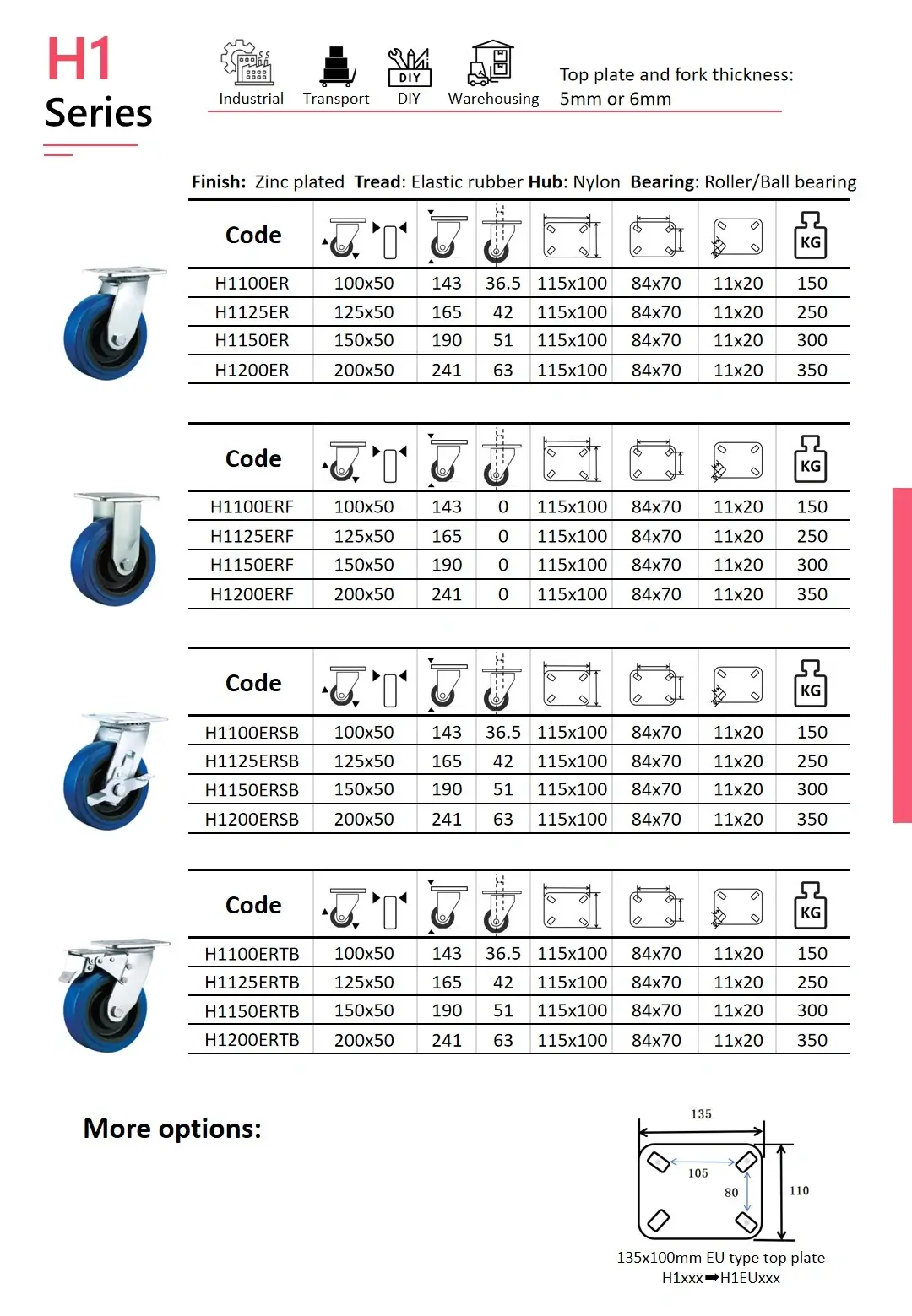
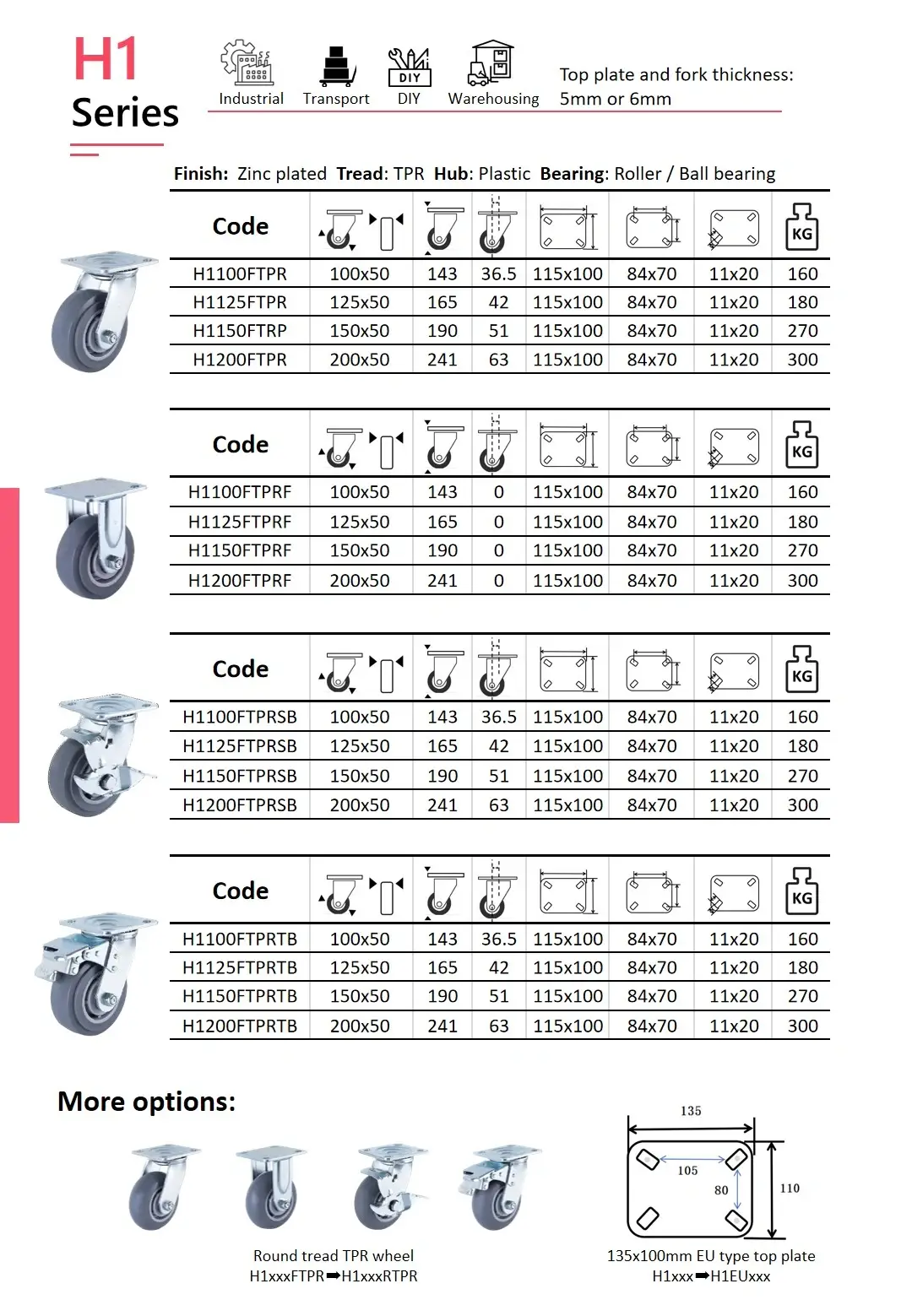
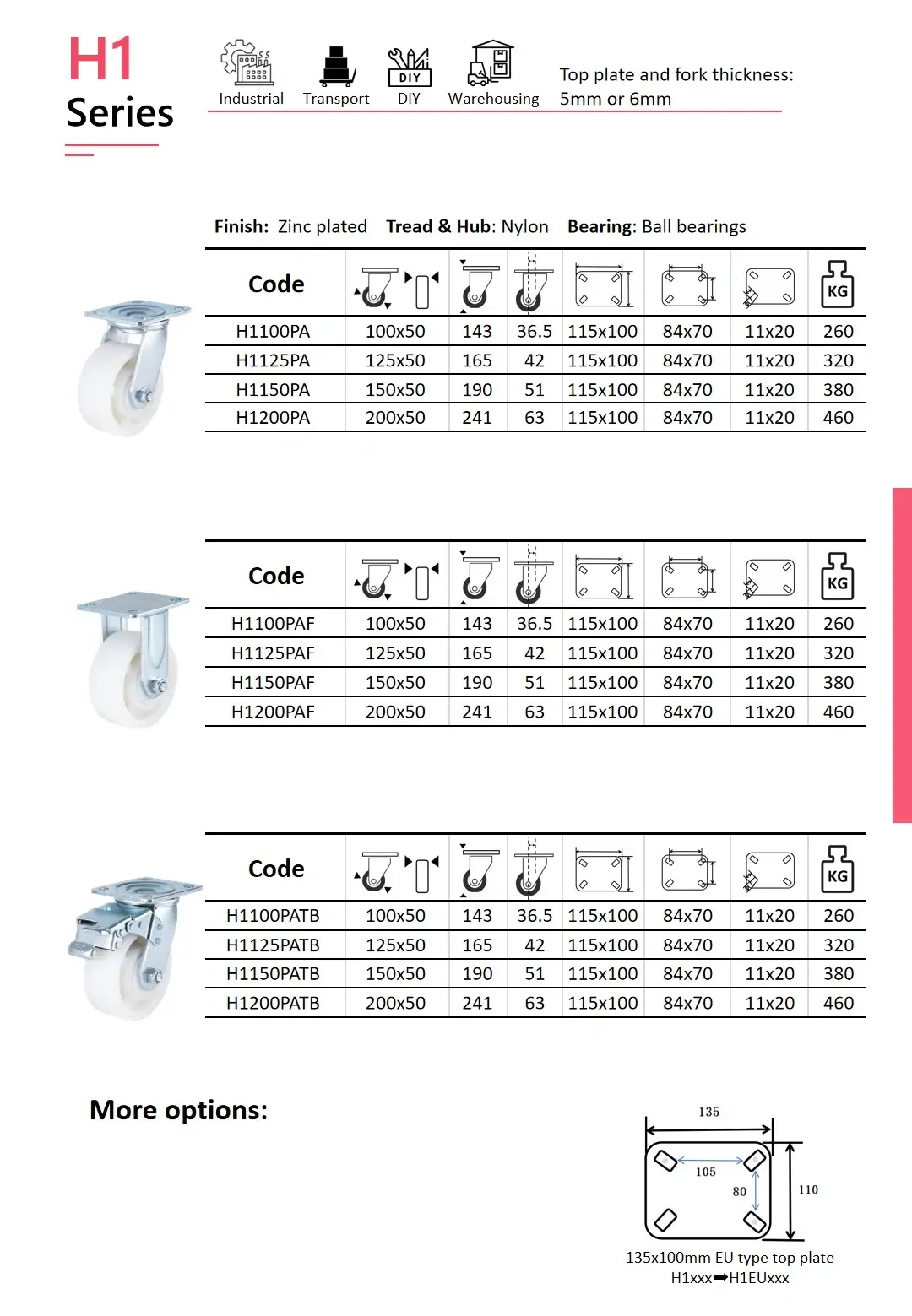
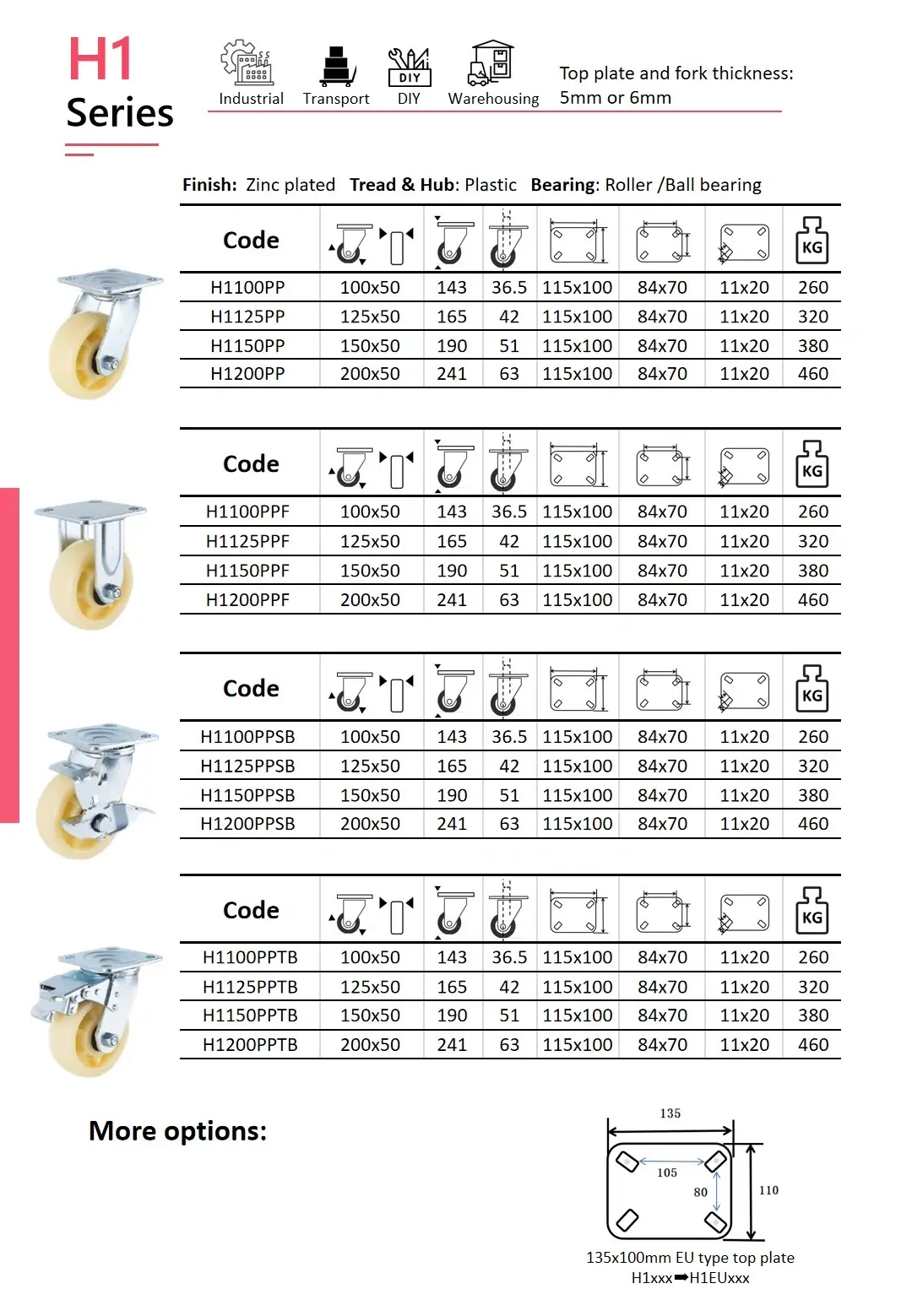
Up to 300KGs
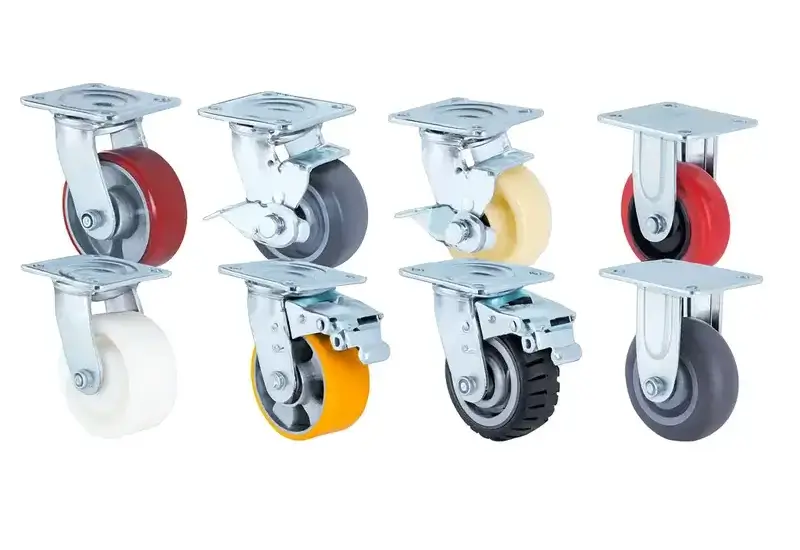
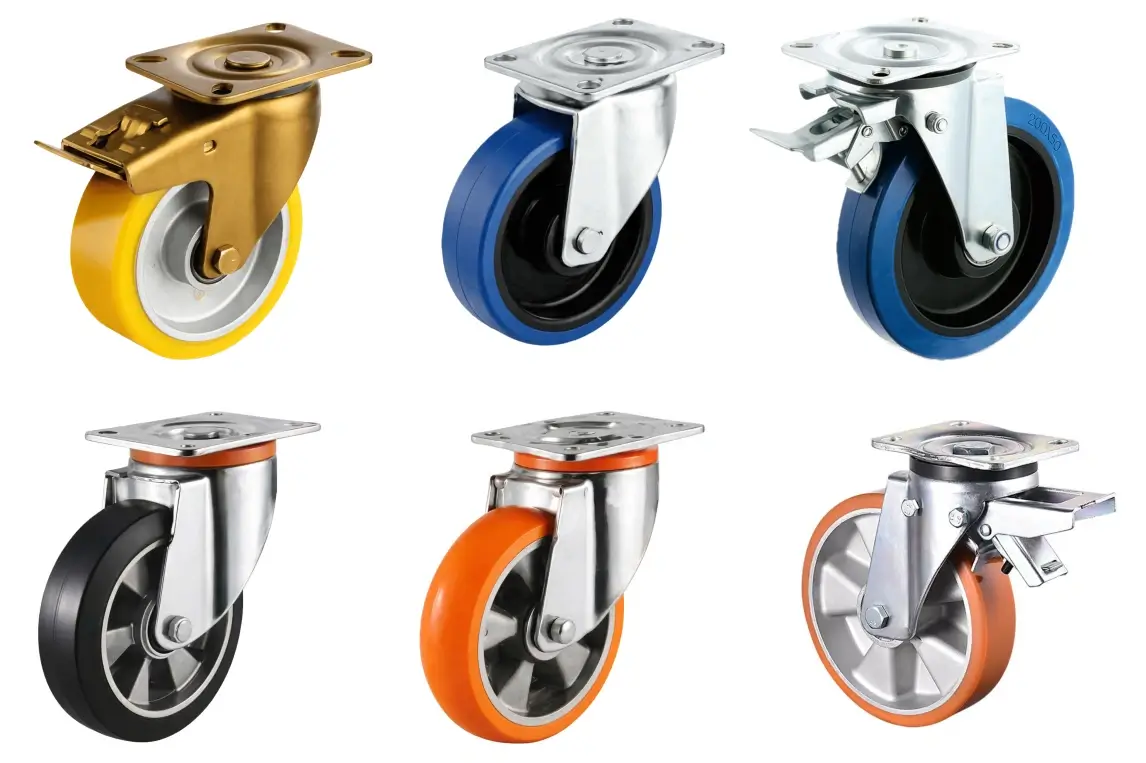
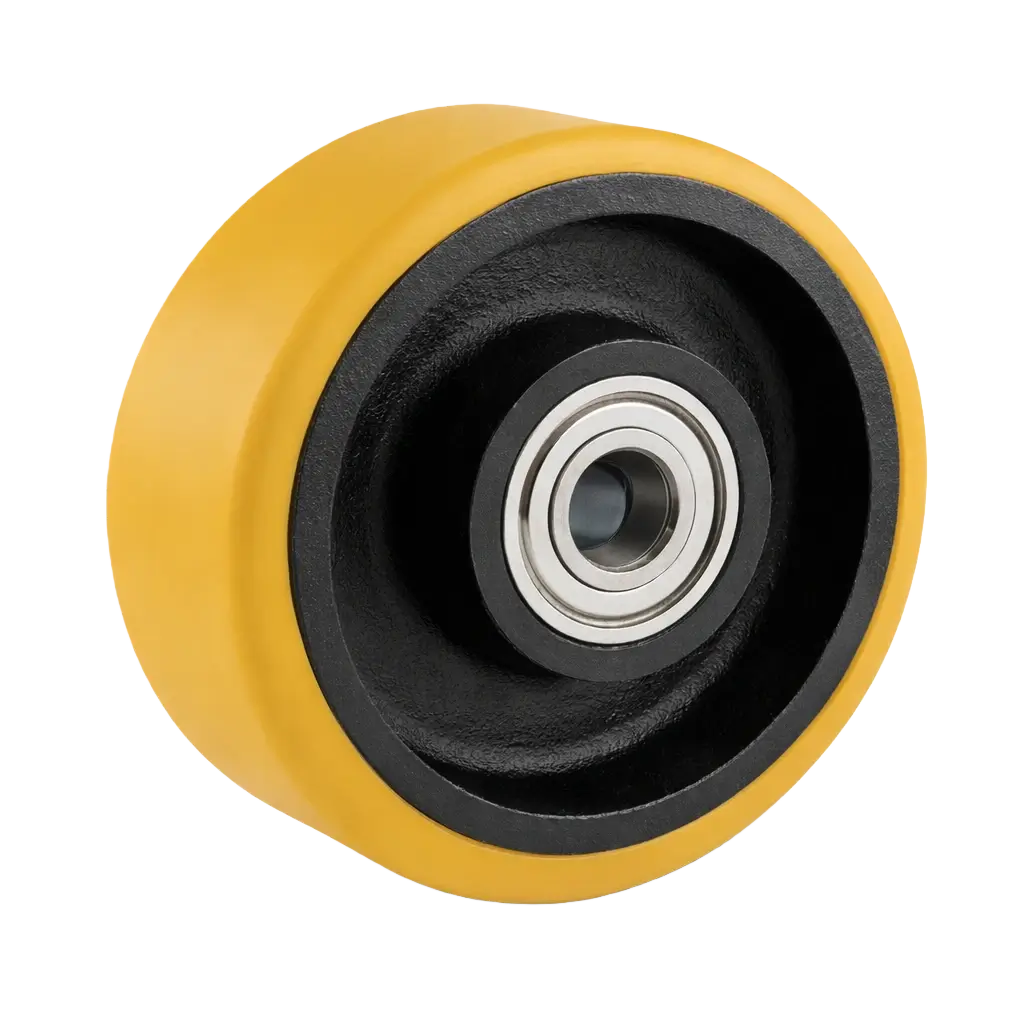
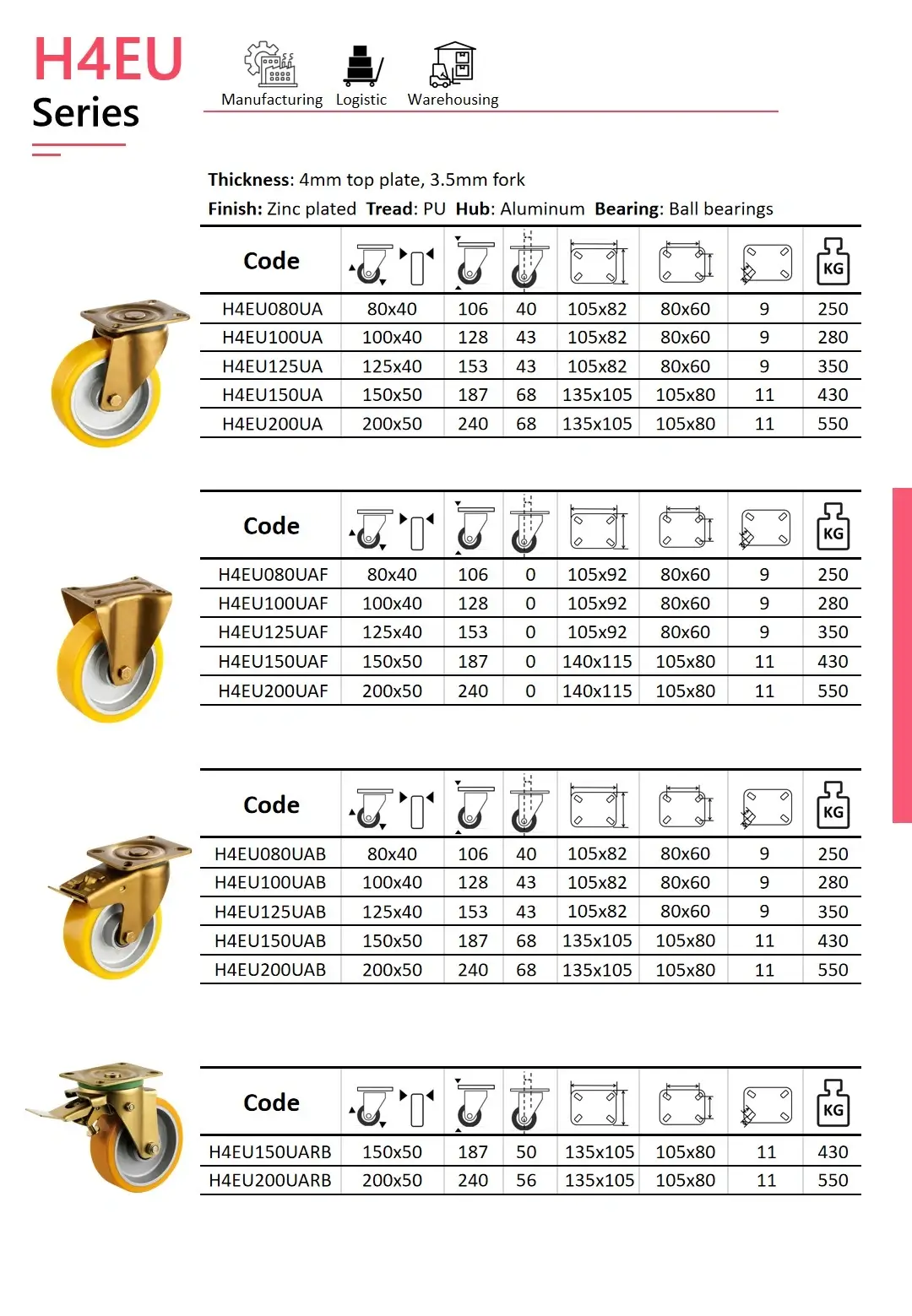
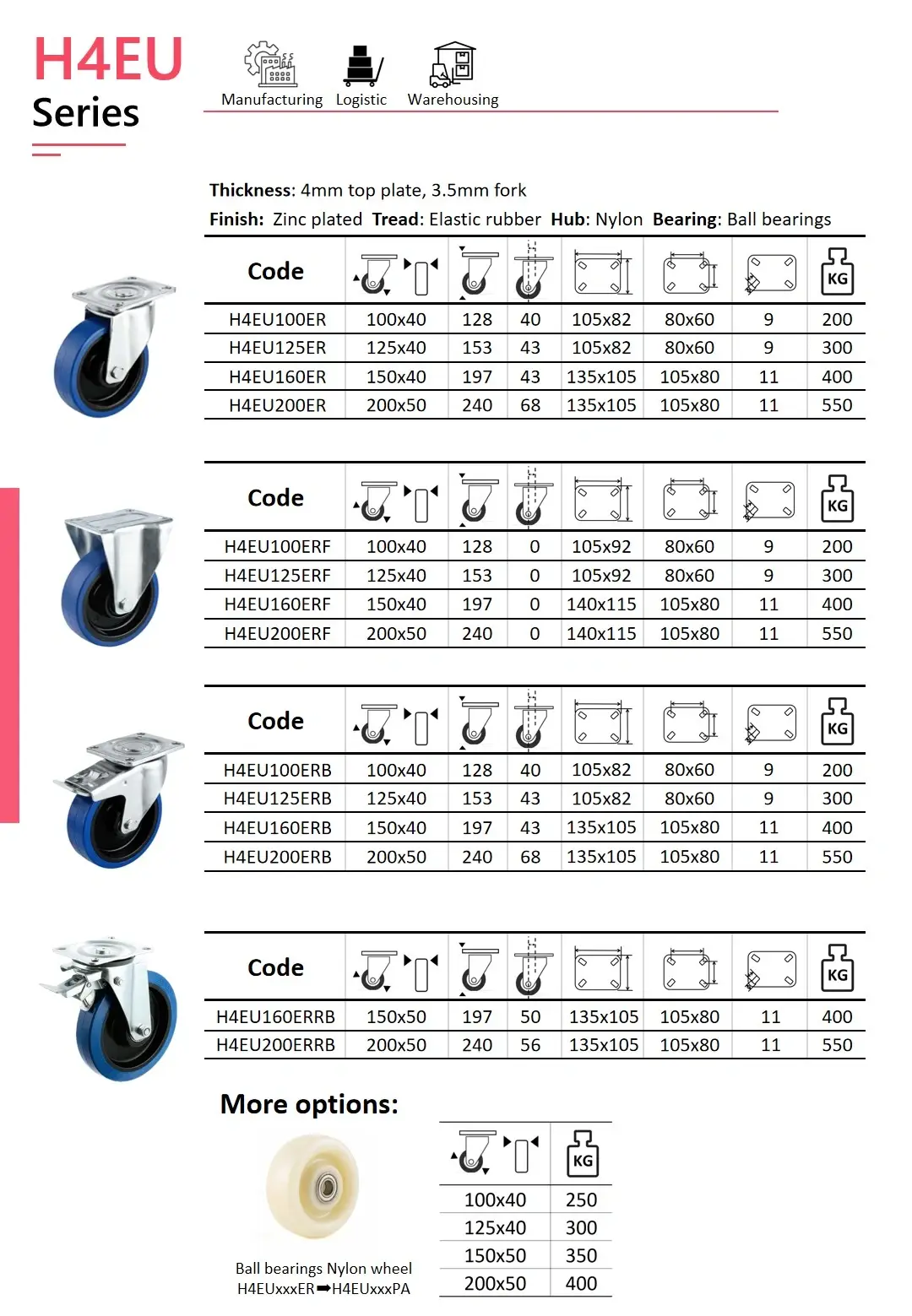
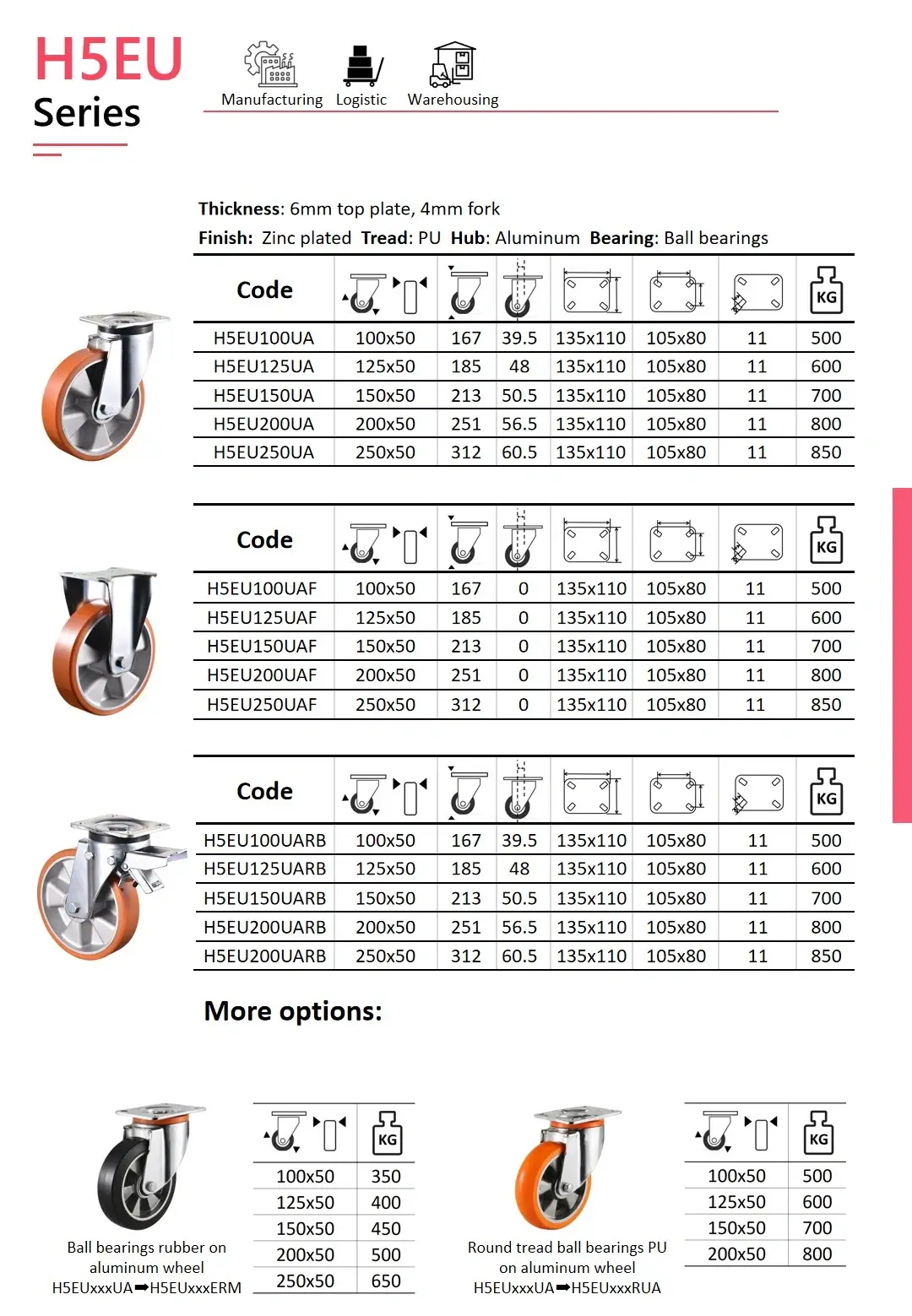
Heavy duty industrial casters for warehouse carts, pick up carts, flatbed carts, stack racks, workstations, tool cabinets, etc


24~72 hours salt spray test passed
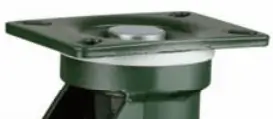
240 hours salt spray test passed

500 hours salt spray test passed

1,000 hours salt spray test passed
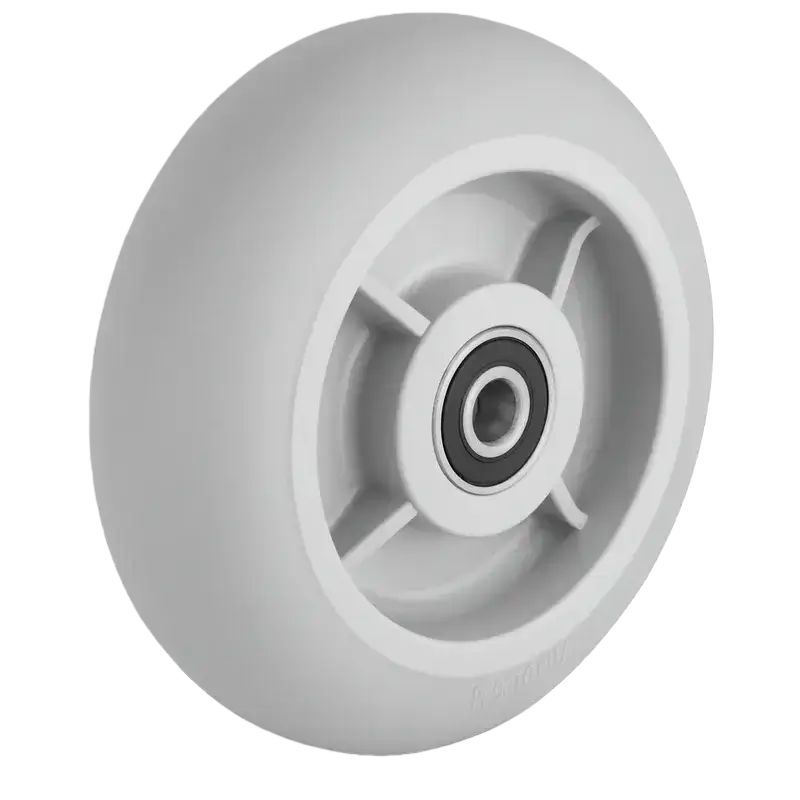
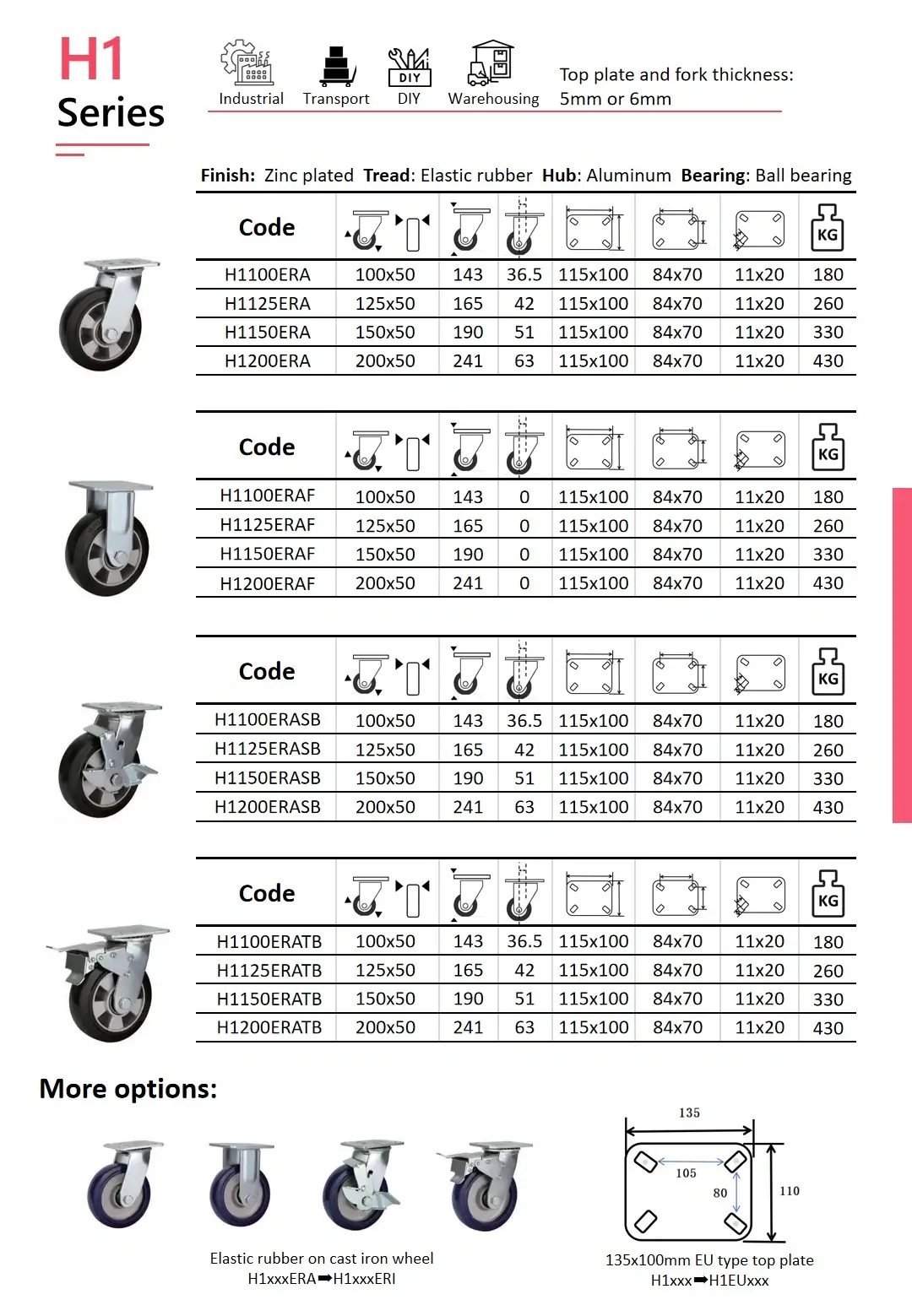
100mm~200mm

Bearing options: Roller bearing / Double ball bearings
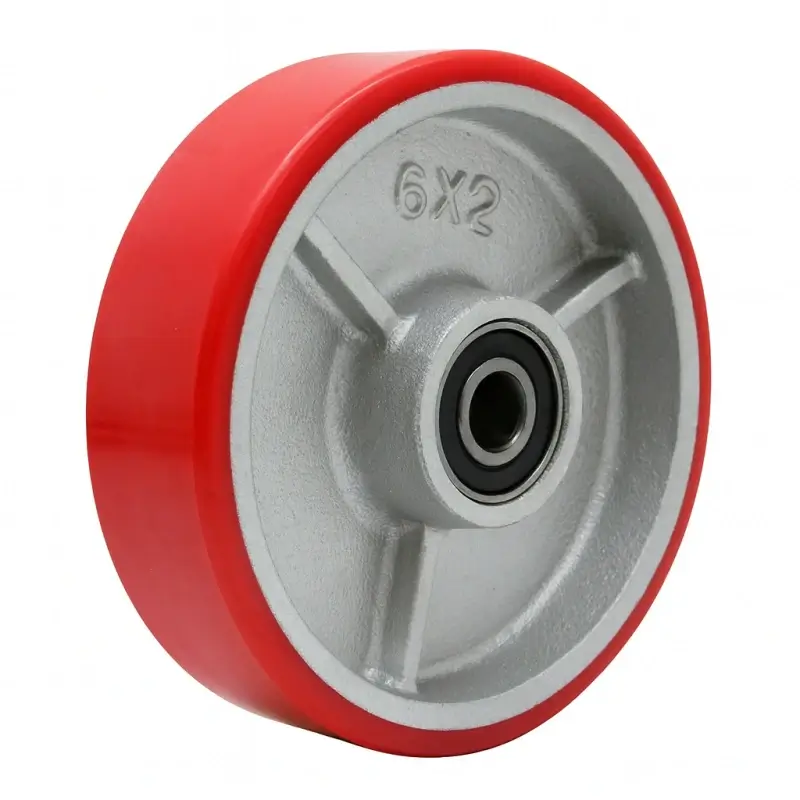
Bearing options: Roller bearing / Double ball bearings
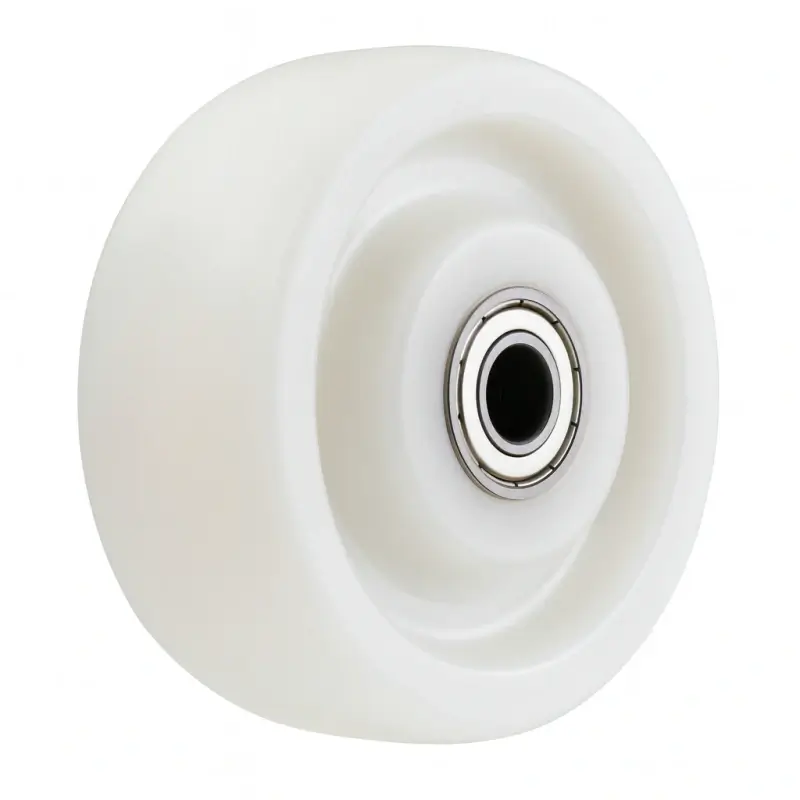
Bearing options: Roller bearing / Double ball bearings
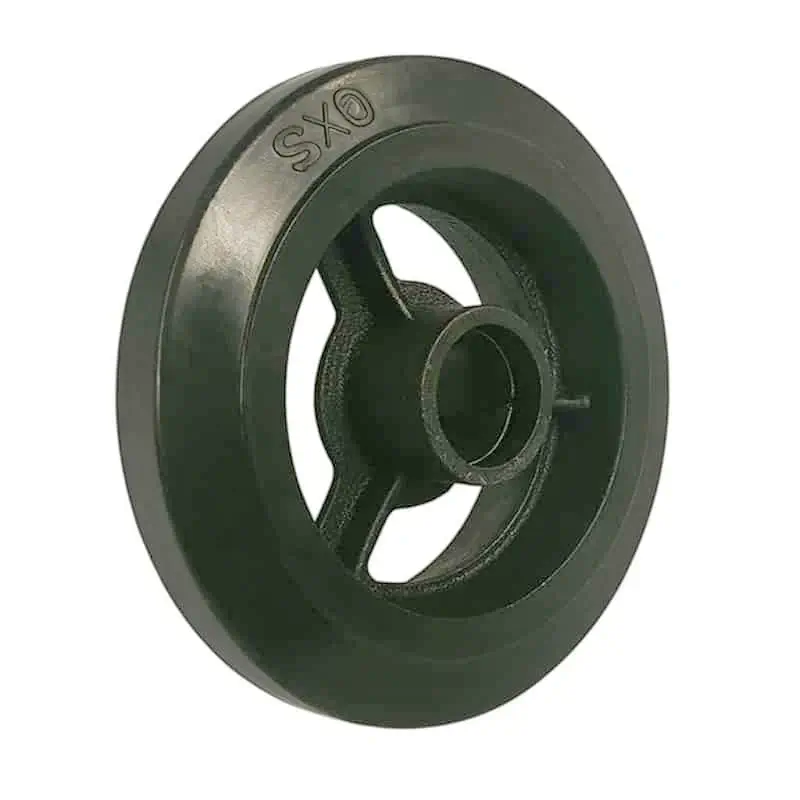
Bearing: Roller bearing
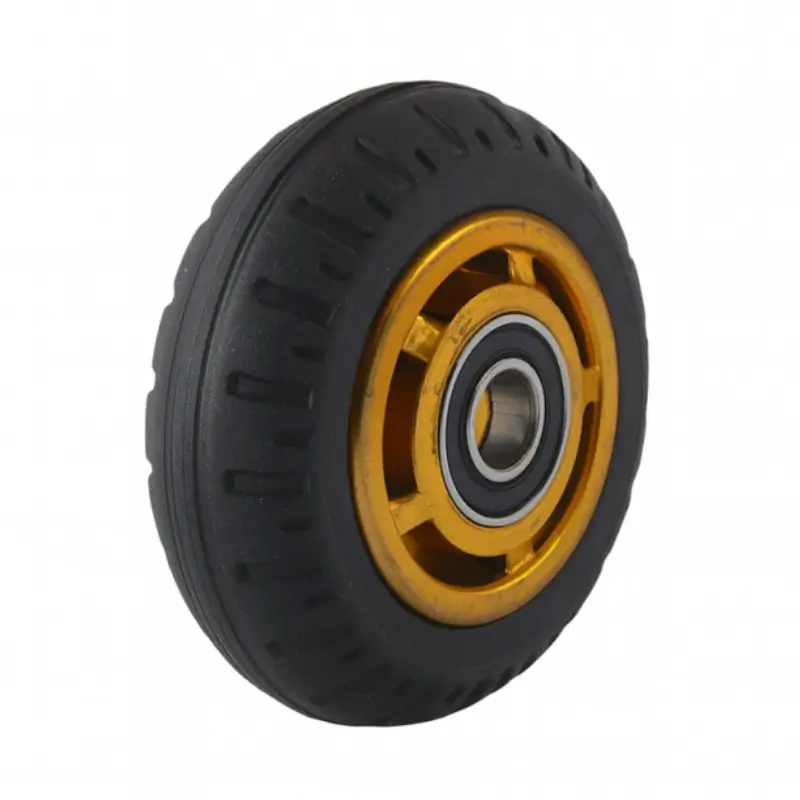
Bearing: Double ball bearings

Bearing: Double ball bearings

Bearing: Double ball bearings
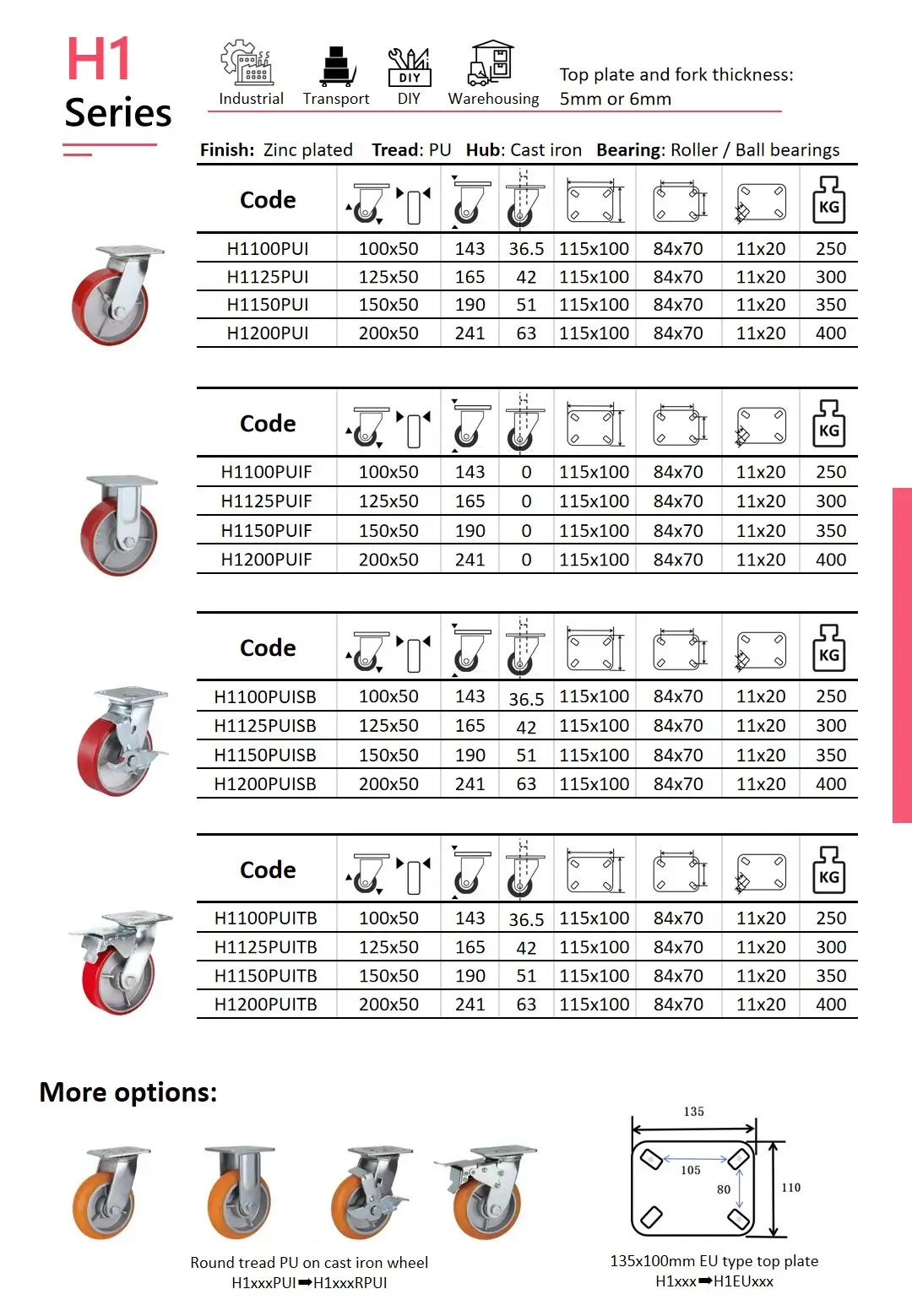
Up to 350KGs


24~72 hours salt spray test passed
80mm~250mm

Bearing options: Roller bearing / Double ball bearings

Bearing options: Roller bearing / Double ball bearings

Bearing options: Plain bushing / Roller bearing / Double ball bearings

Bearing: Double ball bearings
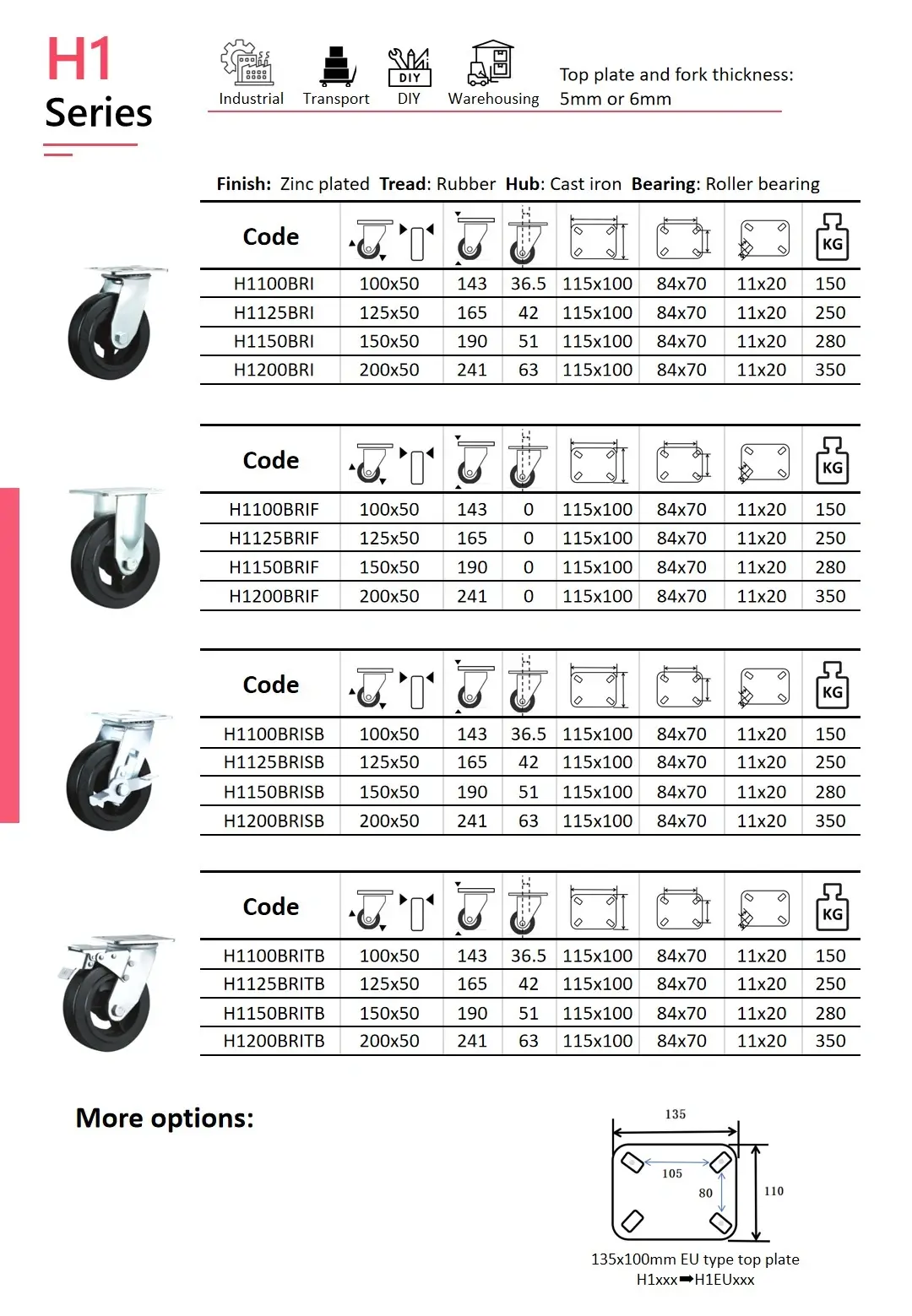
Bearing: Double ball bearings
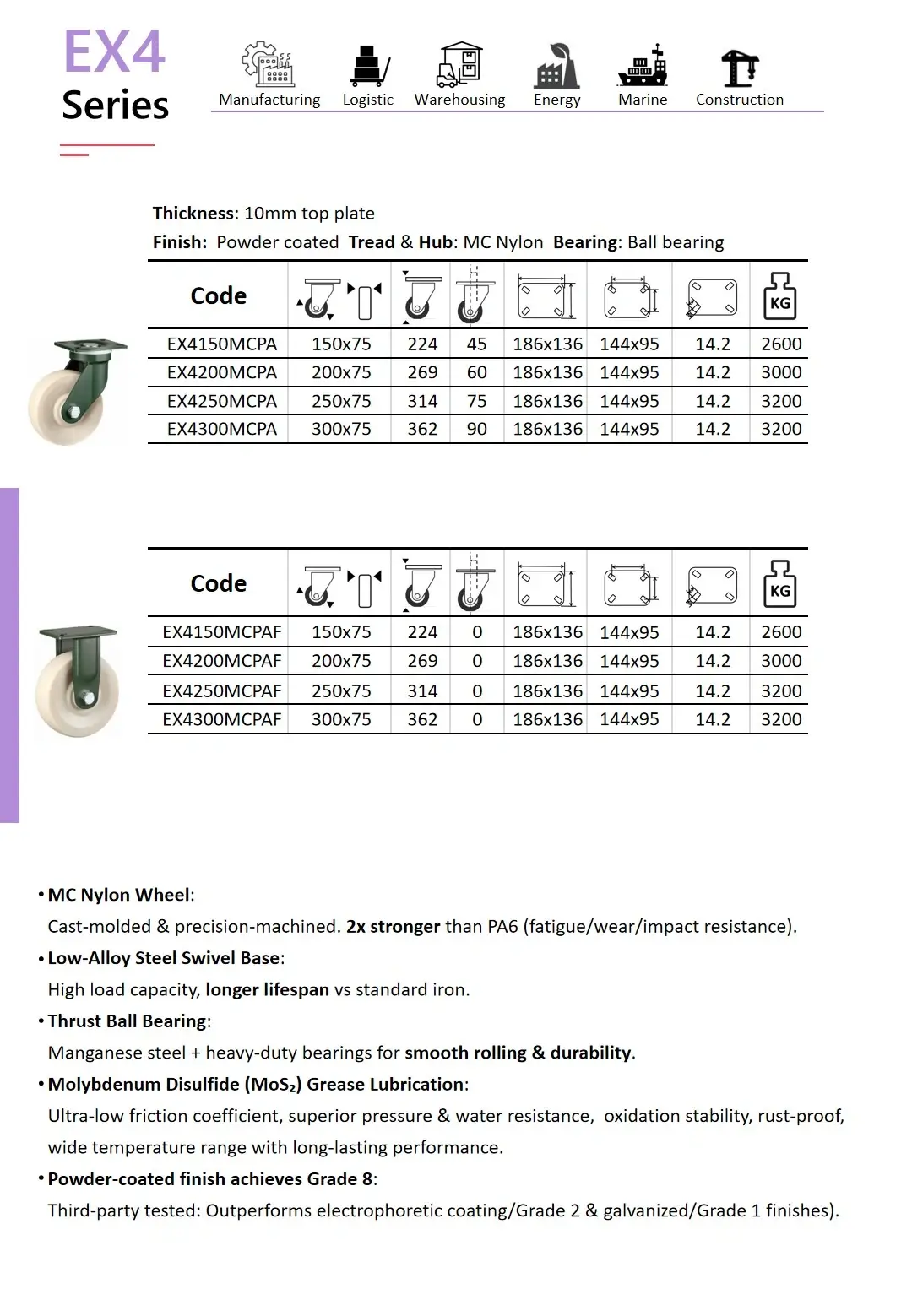
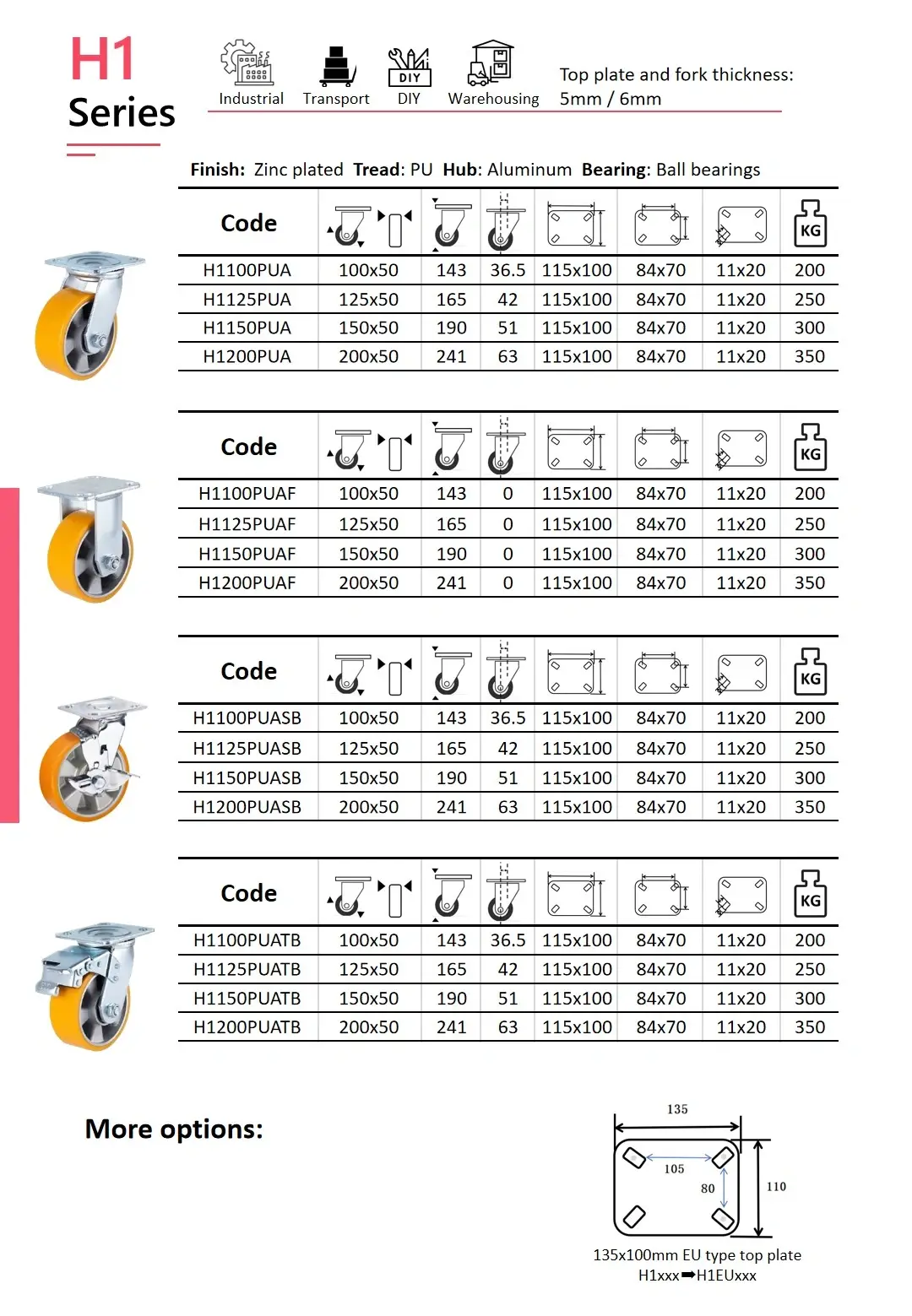
Up to 850KGs
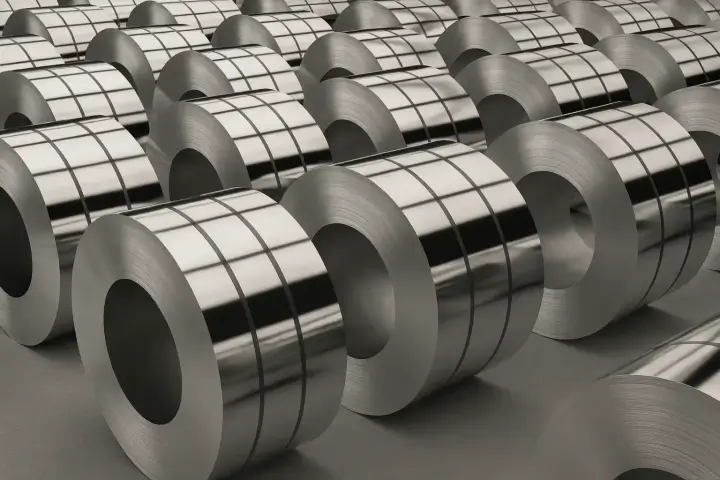
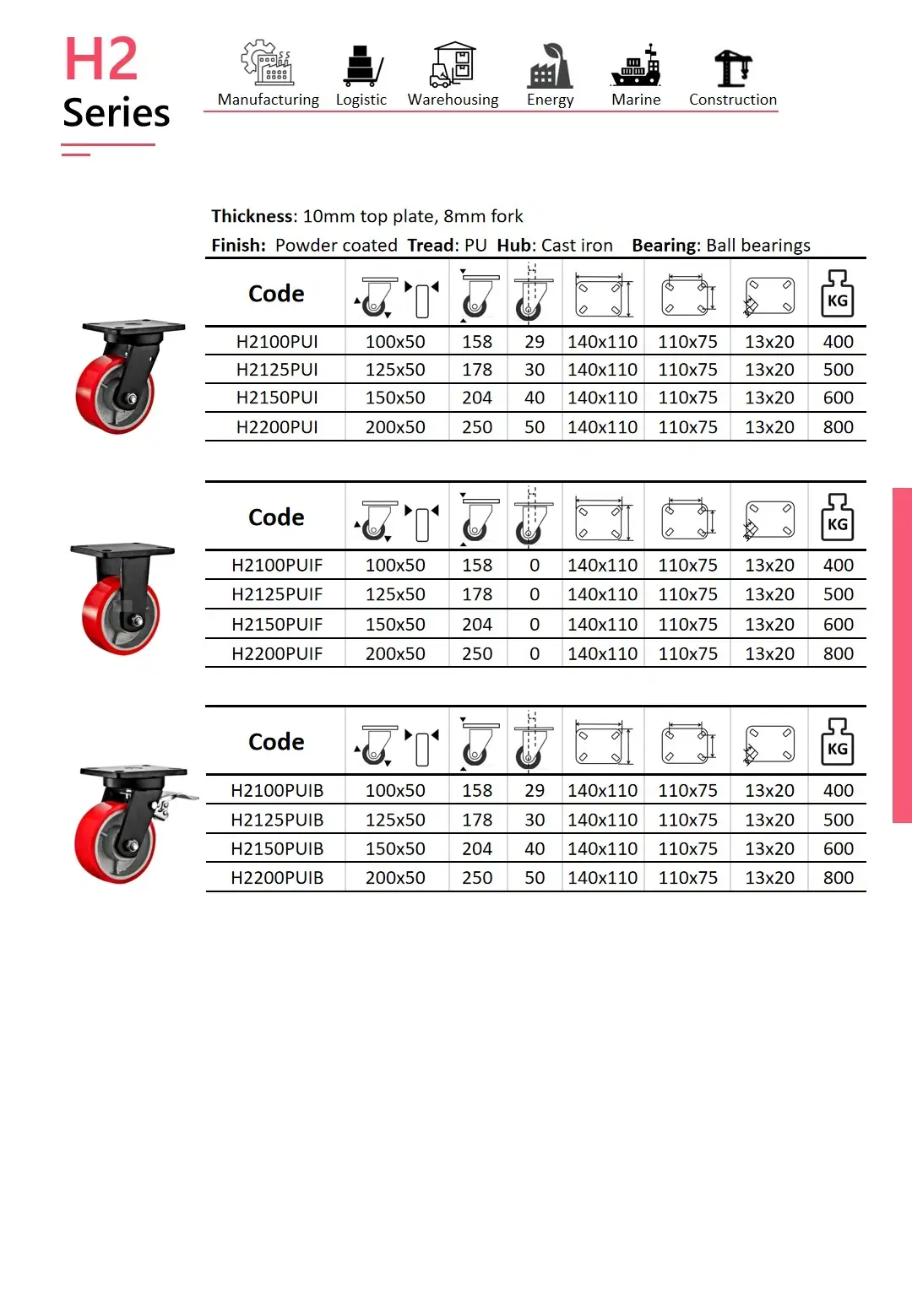
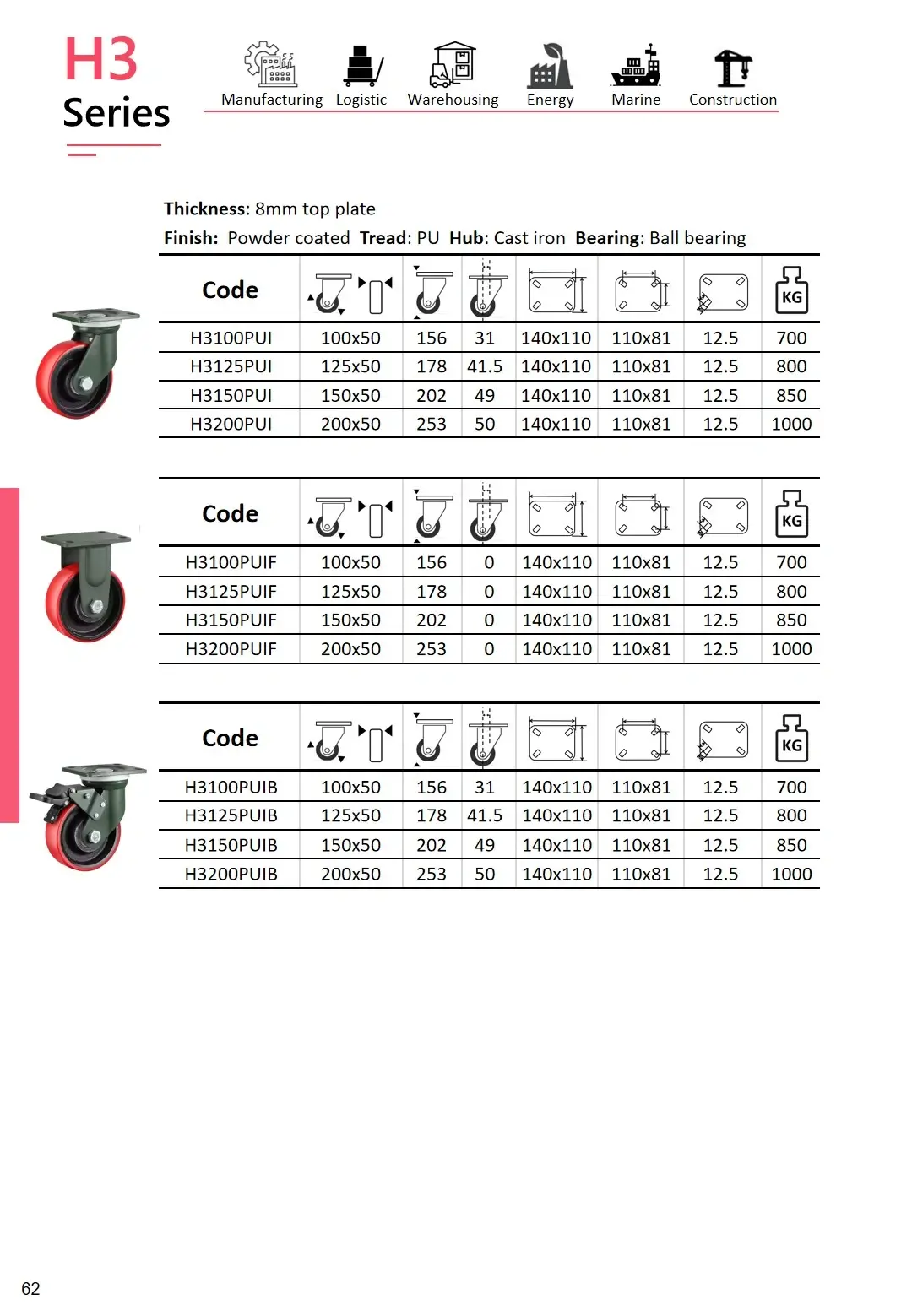
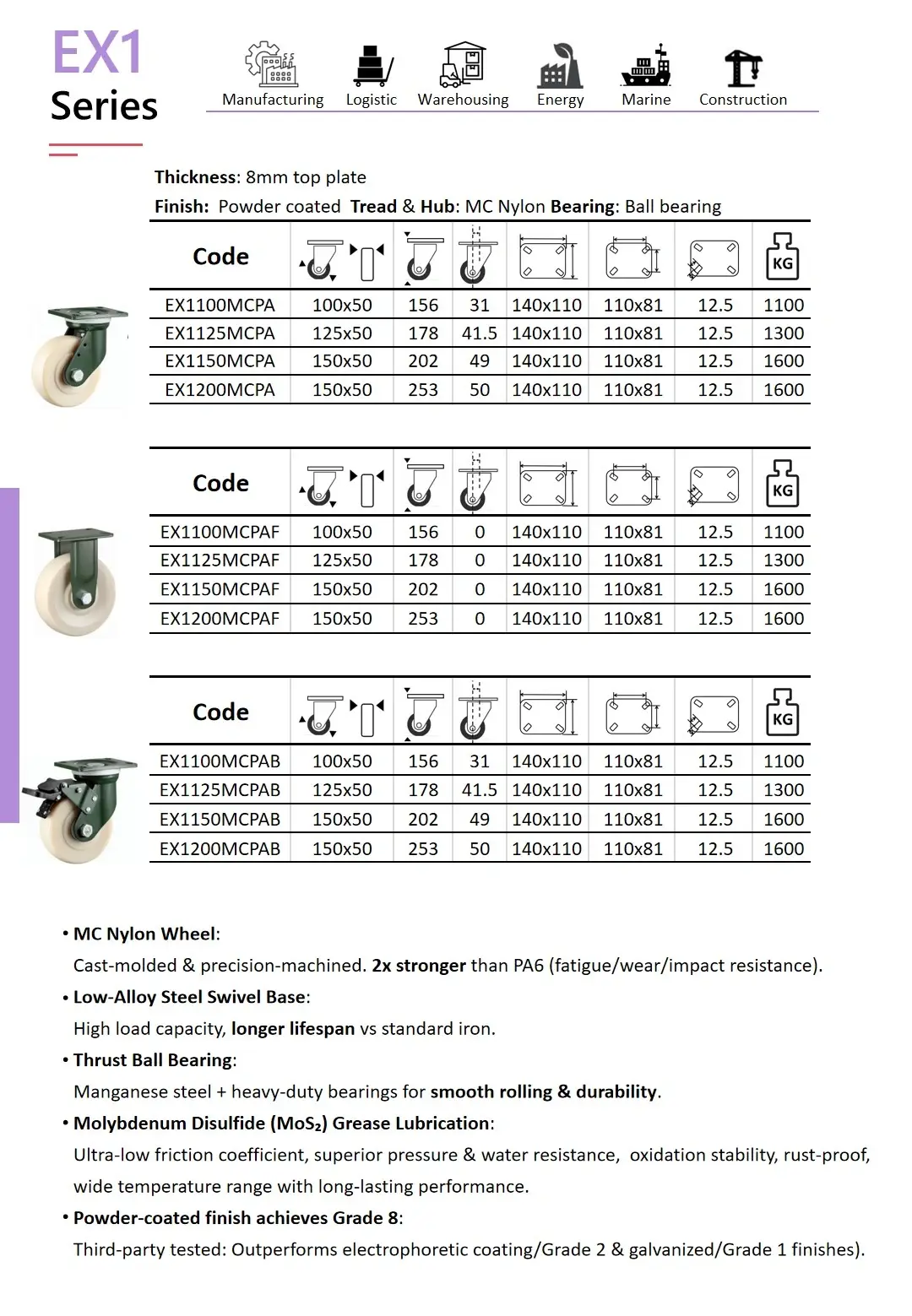
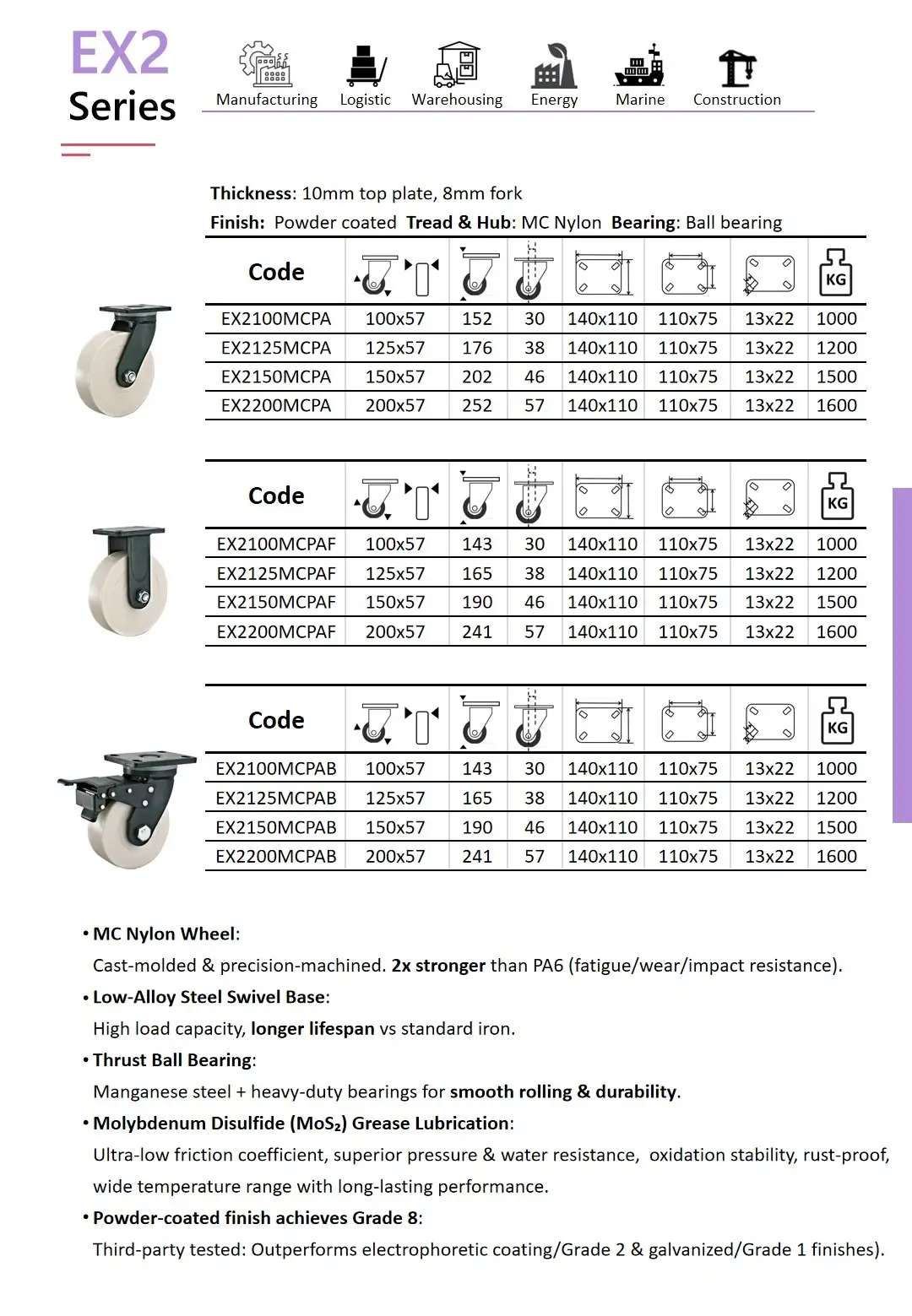
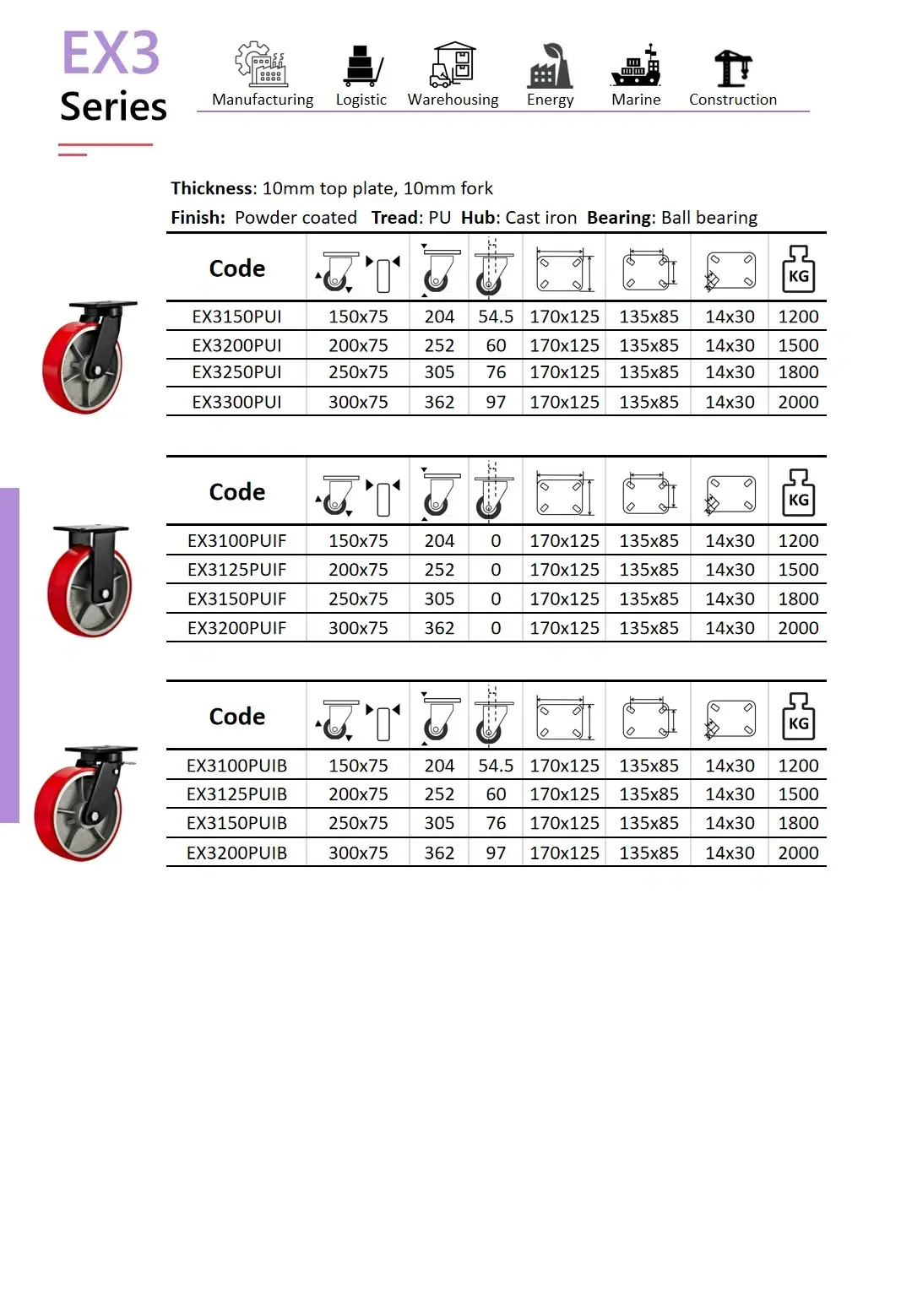
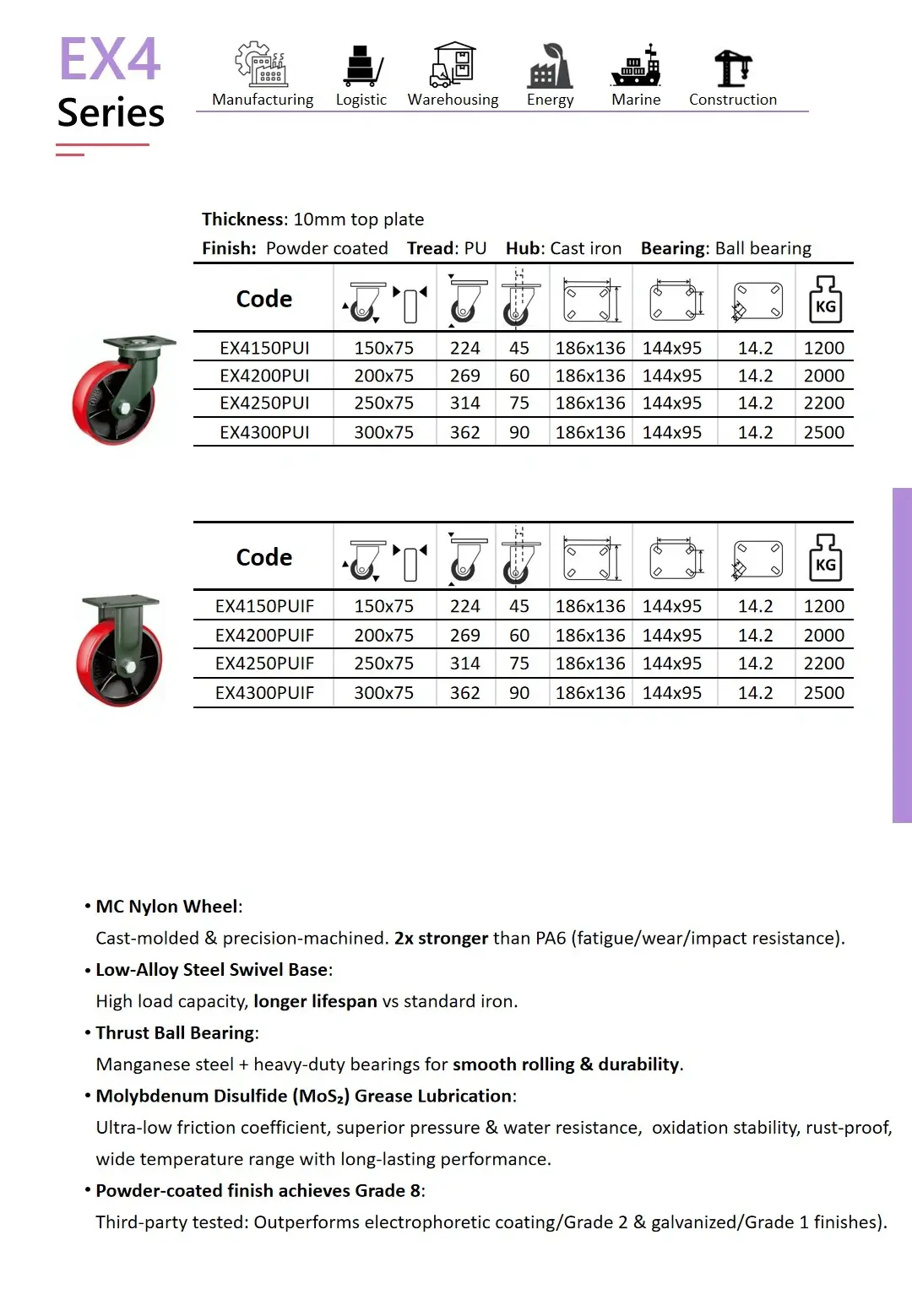
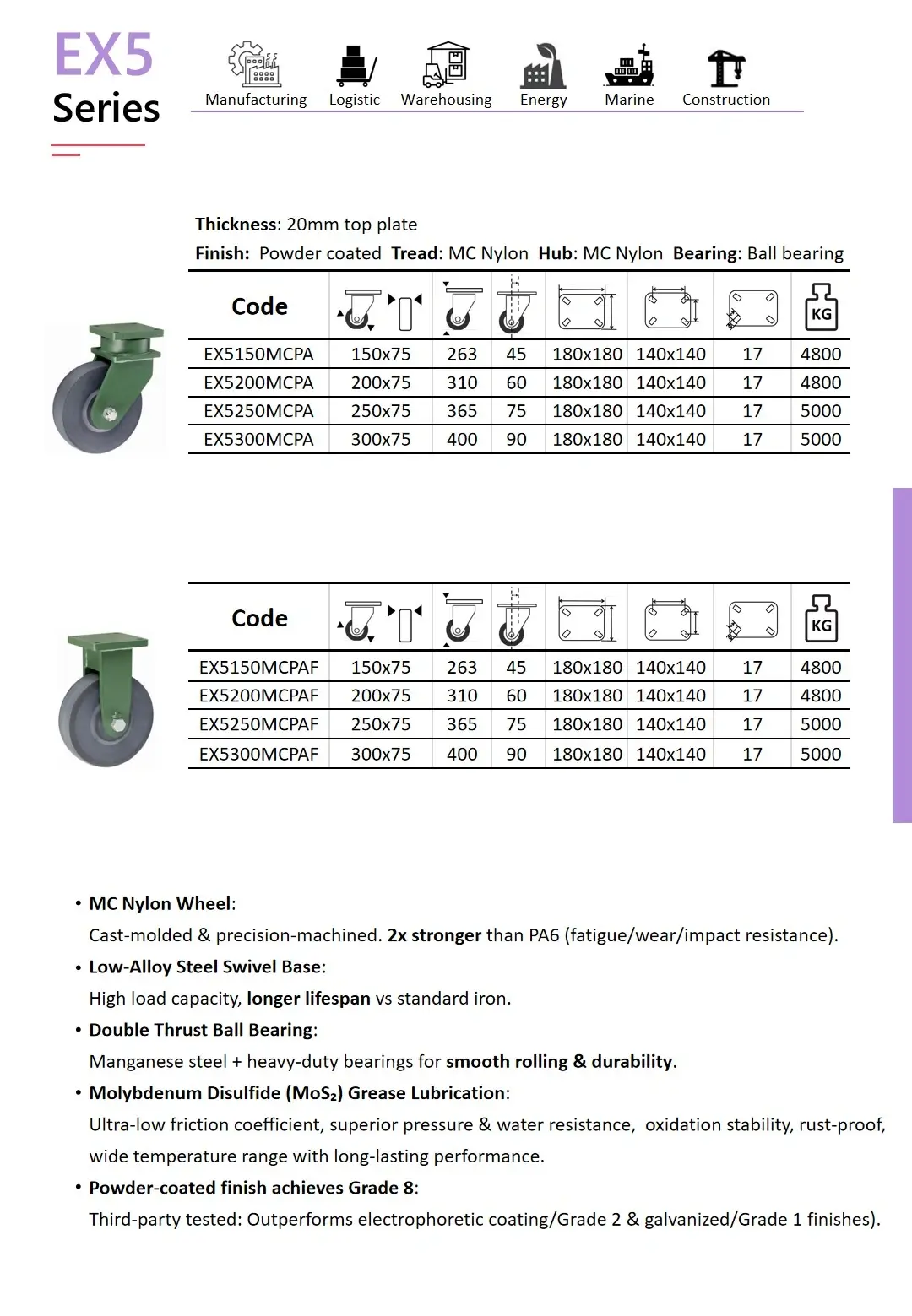
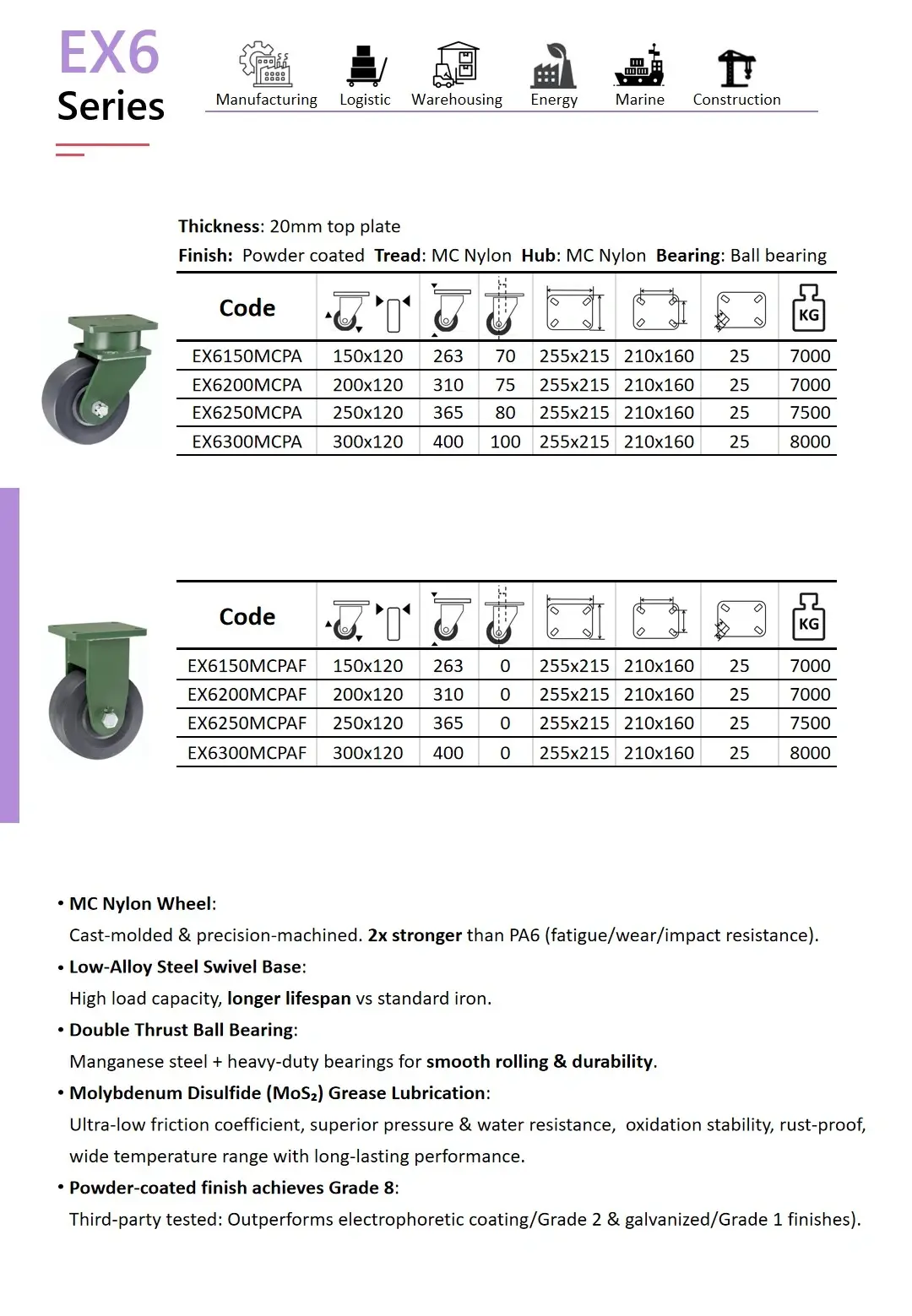
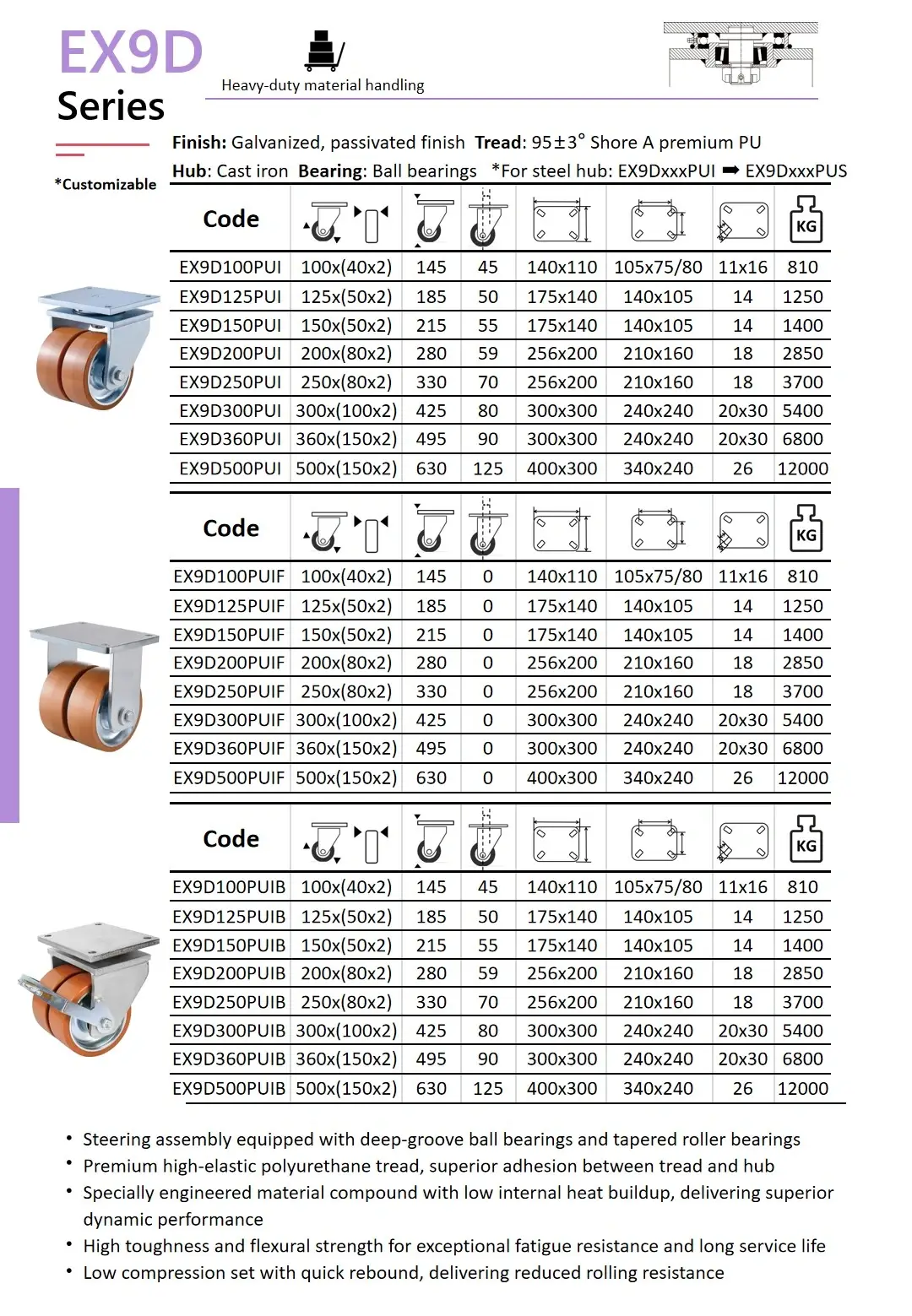
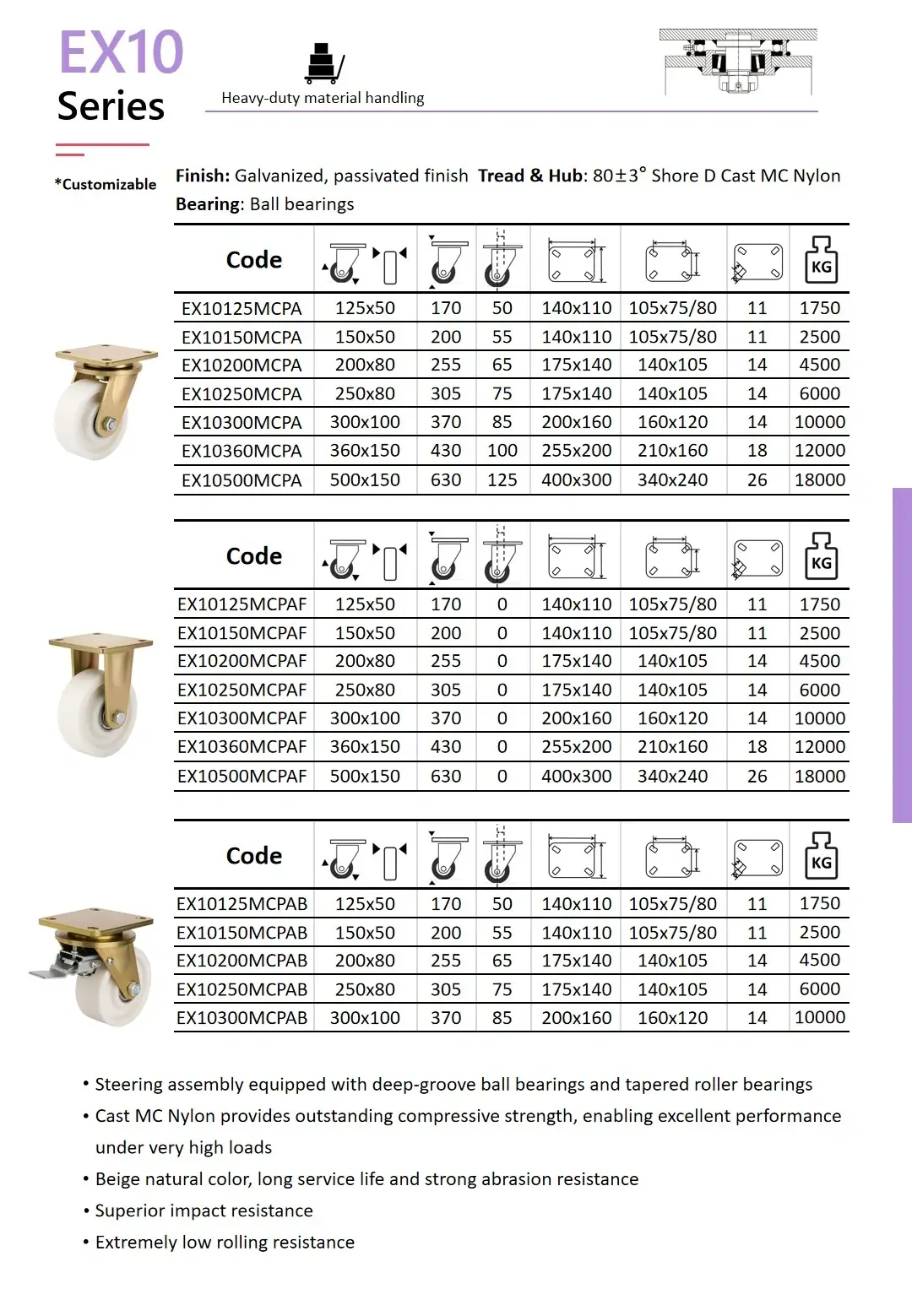
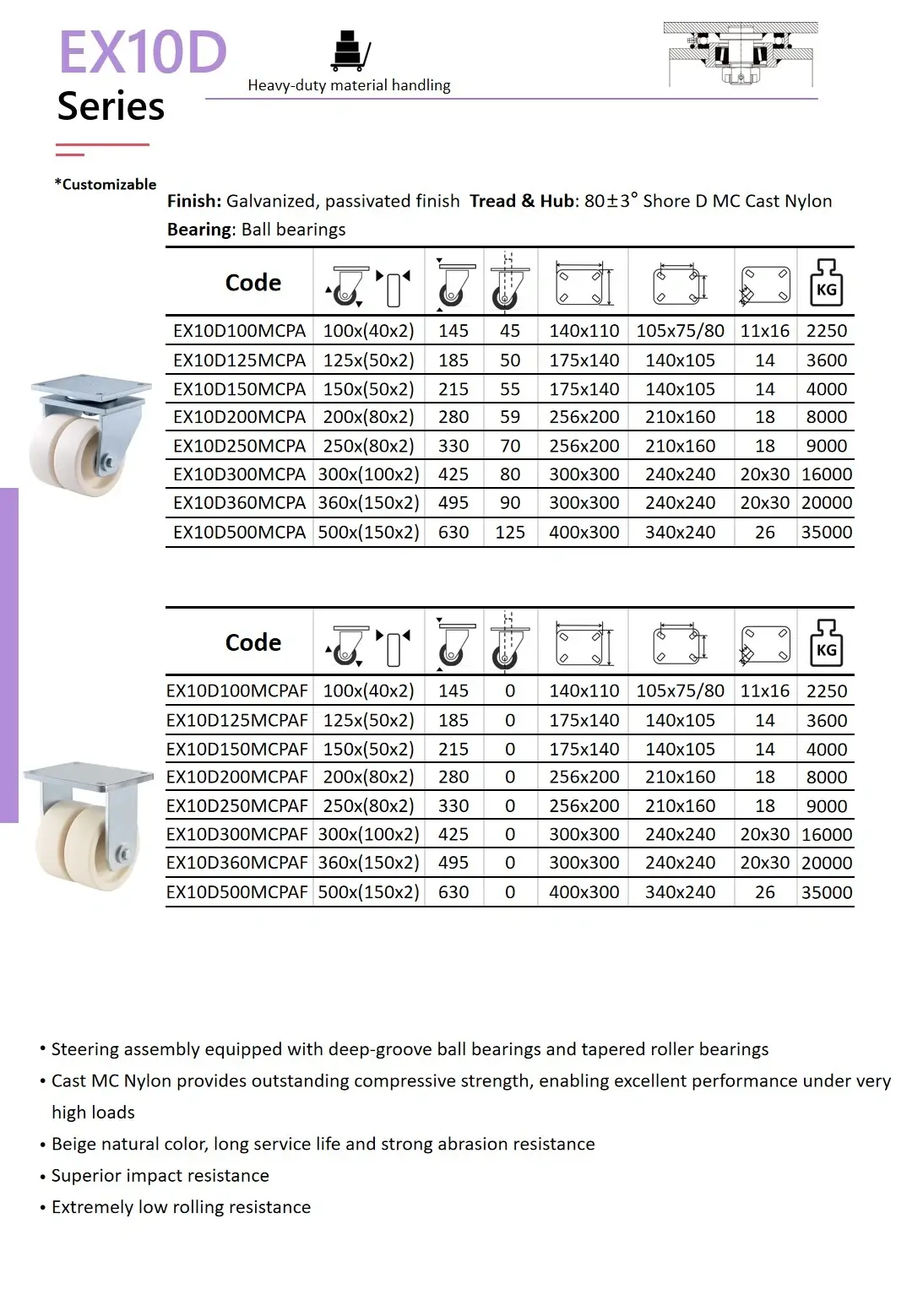
Extra heavy-duty industrial casters for aero engine stands, steel‑coil transport carts, fuselage/wing dollies, ground‑support equipment, industrial machinery, etc


Above 72 hours salt spray test passed
100mm~360mm

Bearing: Double ball bearings

Bearing: Double ball bearings
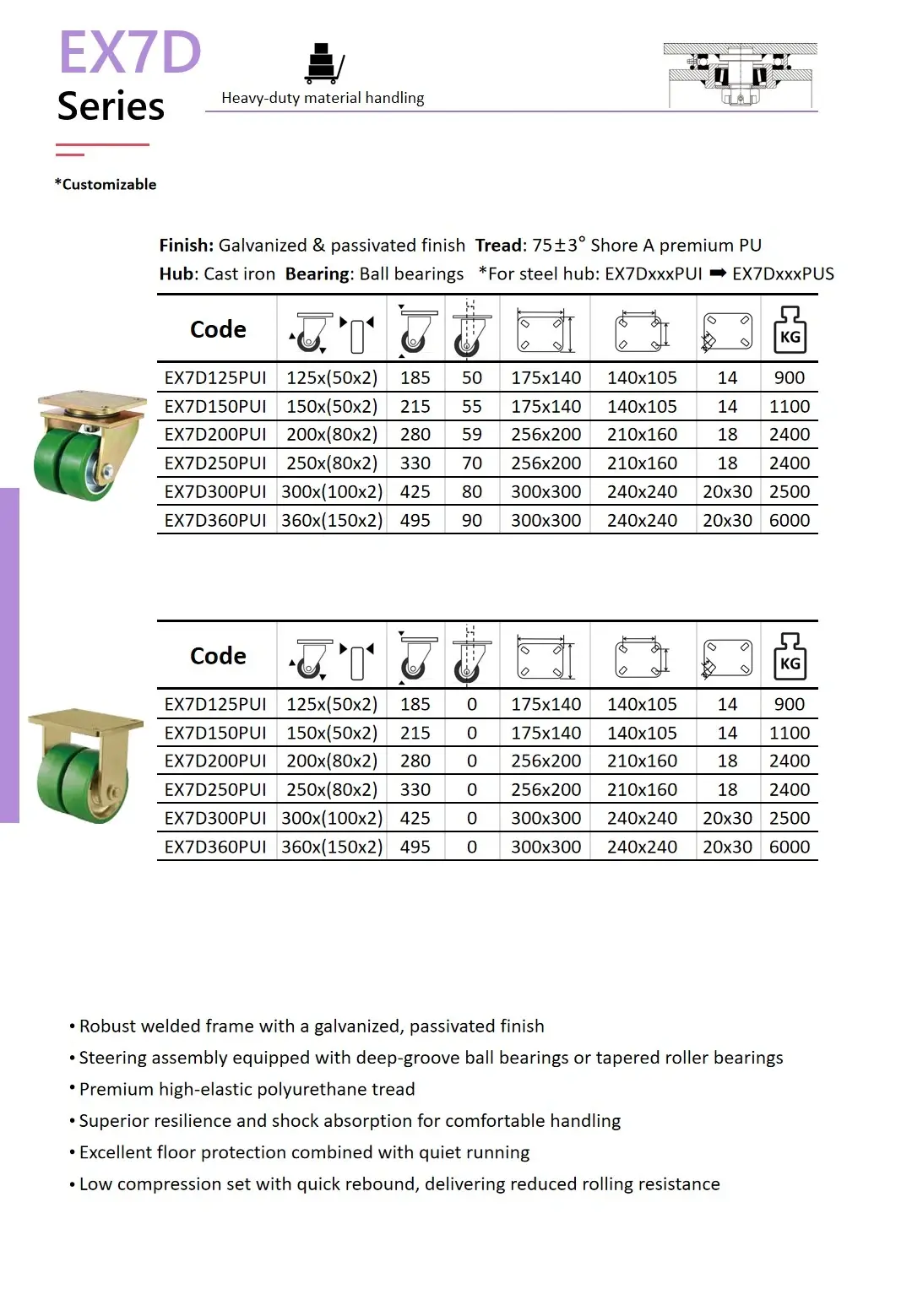
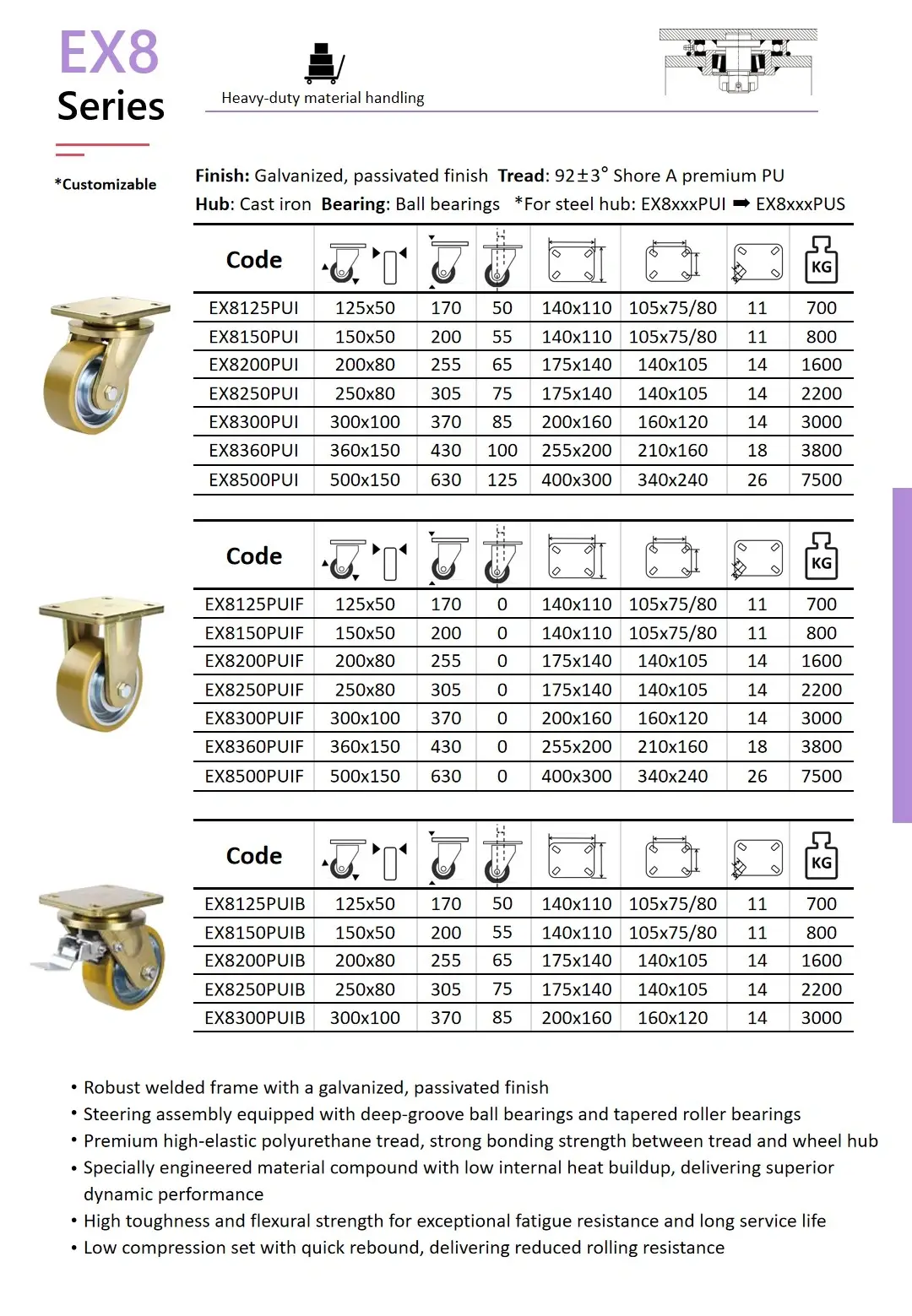
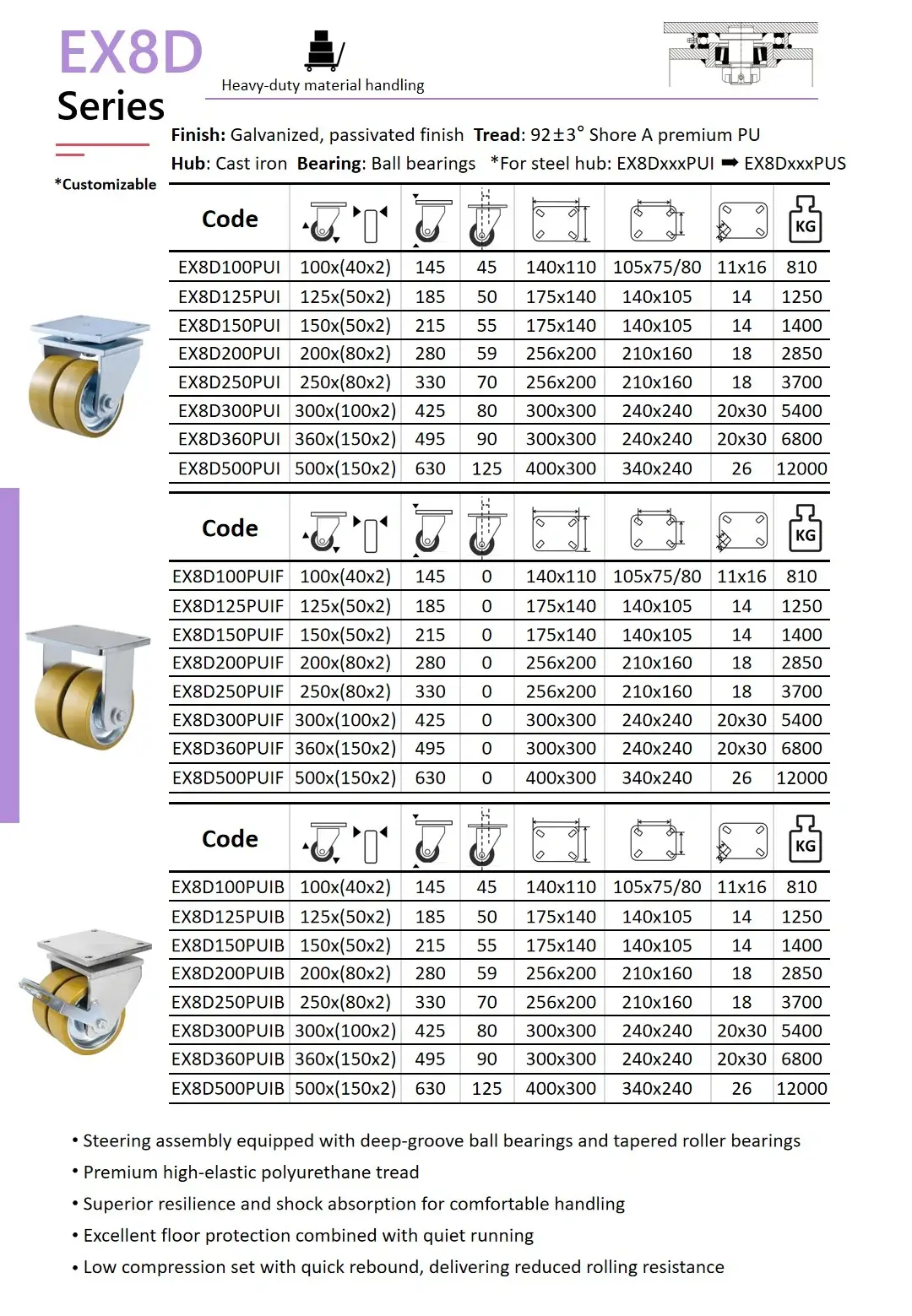
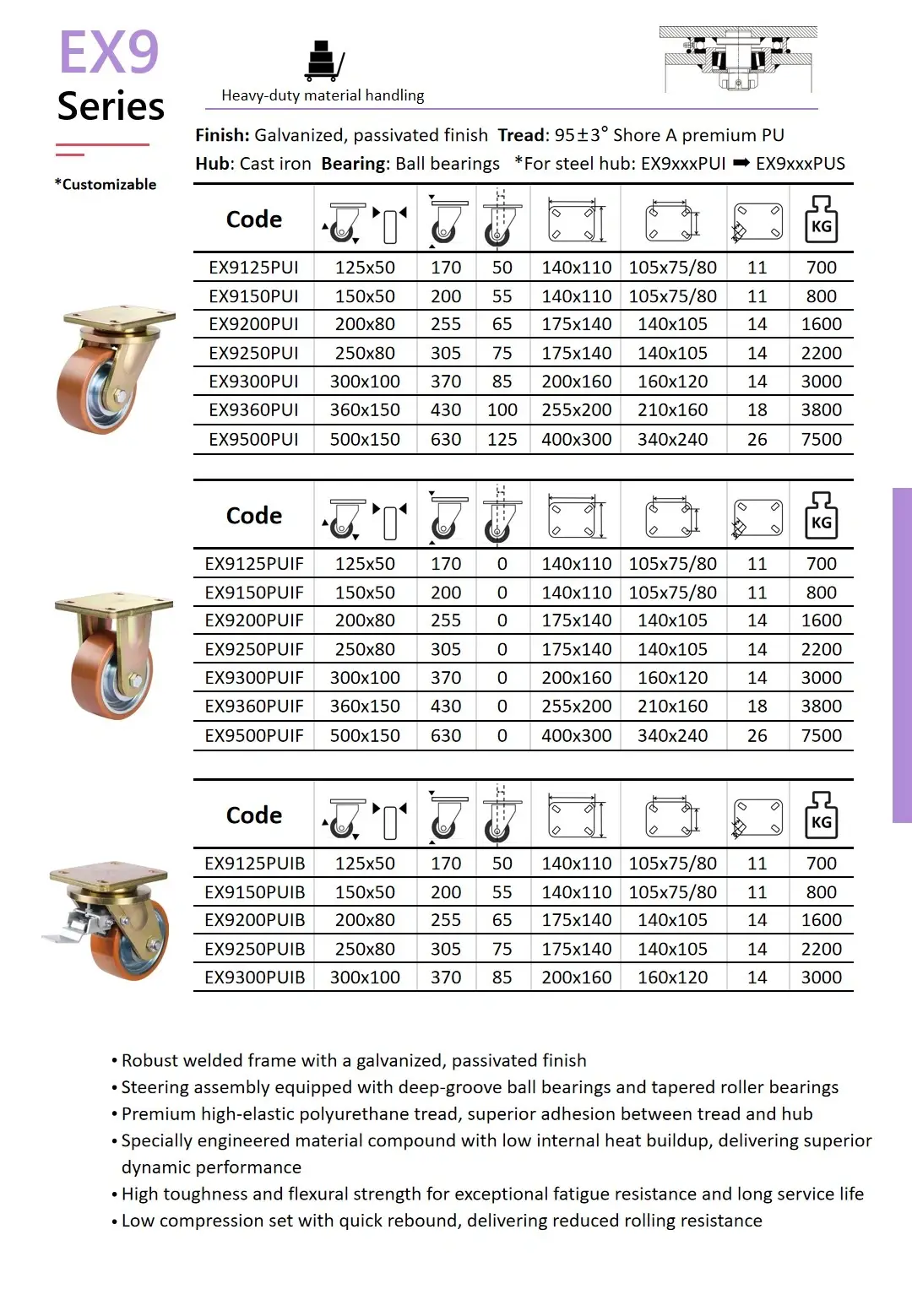
Up to 8,000KGs


Above 72 hours salt spray test passed
100mm~360mm

Bearing: Double ball bearings

Bearing: Double ball bearings
Bearing: Double ball bearings
Bearing: Double ball bearings
Up to 35,000KGs
EN 12527 is the foundational European standard that defines how to test the performance of caster wheels and castors. It specifies in detail the test methods and apparatus used to evaluate factors like strength, durability, and safety. (standards.iteh.ai). This standard itself does not set the pass/fail values for every caster type; instead, it provides general procedures. Specific acceptance criteria for different caster categories (furniture, medical, industrial, etc.) are given in the respective specialized standards
EN 12530 specifies the technical requirements, dimensions, and testing criteria for castors and wheels used in manually propelled institutional applications. This standard covers medium-duty equipment castors found in public and institutional facilities such as shops, restaurants, hotels, schools, and hospitals. Castors under EN 12530 may include features like wheel brakes or swivel locks, as these are common in carts and equipment used in such environments. The standard ensures that these casters meet appropriate safety and performance levels for frequent manual handling in public spaces
EN 12532 addresses transport castors and wheels intended for industrial applications where equipment is moved at speeds up to 1.1 m/s (4 km/h). This is roughly a fast walking speed, indicating the standard is for carts or trolleys that might be pushed or towed slowly in warehouses or factories. The standard lays out technical requirements, dimensions, and testing for casters used on non-powered or hand-towed industrial transport equipment. EN 12532 explicitly excludes certain categories: it does not apply to furniture or office chair casters, institutional or hospital bed casters, or any powered/driven equipment casters. Those excluded categories are covered by other standards (e.g., furniture by EN 12528/12529, hospital by EN 12531, and higher-speed driven equipment by EN 12533). Essentially, EN 12532 is focused on wheels and castors for manually propelled or tugged industrial carts and platform trucks operating at low speeds.
EN 12533 is the standard for heavy-duty castors and wheels used in applications where travel speeds are higher than walking pace – specifically over 1.1 m/s (4 km/h) and up to 4.4 m/s (16 km/h). It covers castors (including any accessories like brakes) designed for mechanical or power-driven applications in this speed range. This means equipment that is either powered or towed by a vehicle, moving at moderate running speeds. EN 12533 represents the upper end of caster usage, where significant dynamic forces occur due to higher speeds. The standard sets out technical specs, dimensions, and required tests to ensure safety and performance at these speeds. Importantly, EN 12533 excludes certain wheel types: pneumatic-tyred wheels (inflatable wheels) and dedicated drive wheels are not covered, as those may fall under other vehicle or machinery standards.
Designing and manufacturing custom casters for an OEM project involves several stages, we follow a detailed step-by-step process to ensure that your project runs smoothly and without any problems
Define requirements: Understand the customer’s specific needs and requirements. Consider special attachments, test standards, and industry standards. Give suggestions to improve the caster performance if the customer wants to eliminate the failure issues from their existing casters.
Material selection: Select appropriate wheel materials for the casters based on factors like load capacity, environmental conditions, and durability requirements.
Technical Drawings: Make detailed 2D/3D technical drawings of the caster based on the customer’s requirements or samples.
Prototyping: Develop prototypes to test the functionality and performance of the casters. It can be a 3D printing model or a small batch for initial testing.
Tooling and Equipment Setup: On the basis of the finalized design, set up and adjust the necessary tooling and equipment for mass production.
Production of Components: Manufacture individual caster components such as wheels and frames, according to technical specifications in confirmed drawings.
Surface Treatment: Apply surface treatments to enhance the aesthetics, corrosion resistance, hardness, or other functional aspects of the casters.
Assembly: Assemble the casters, making sure that each unit meets the design specifications and quality standards.
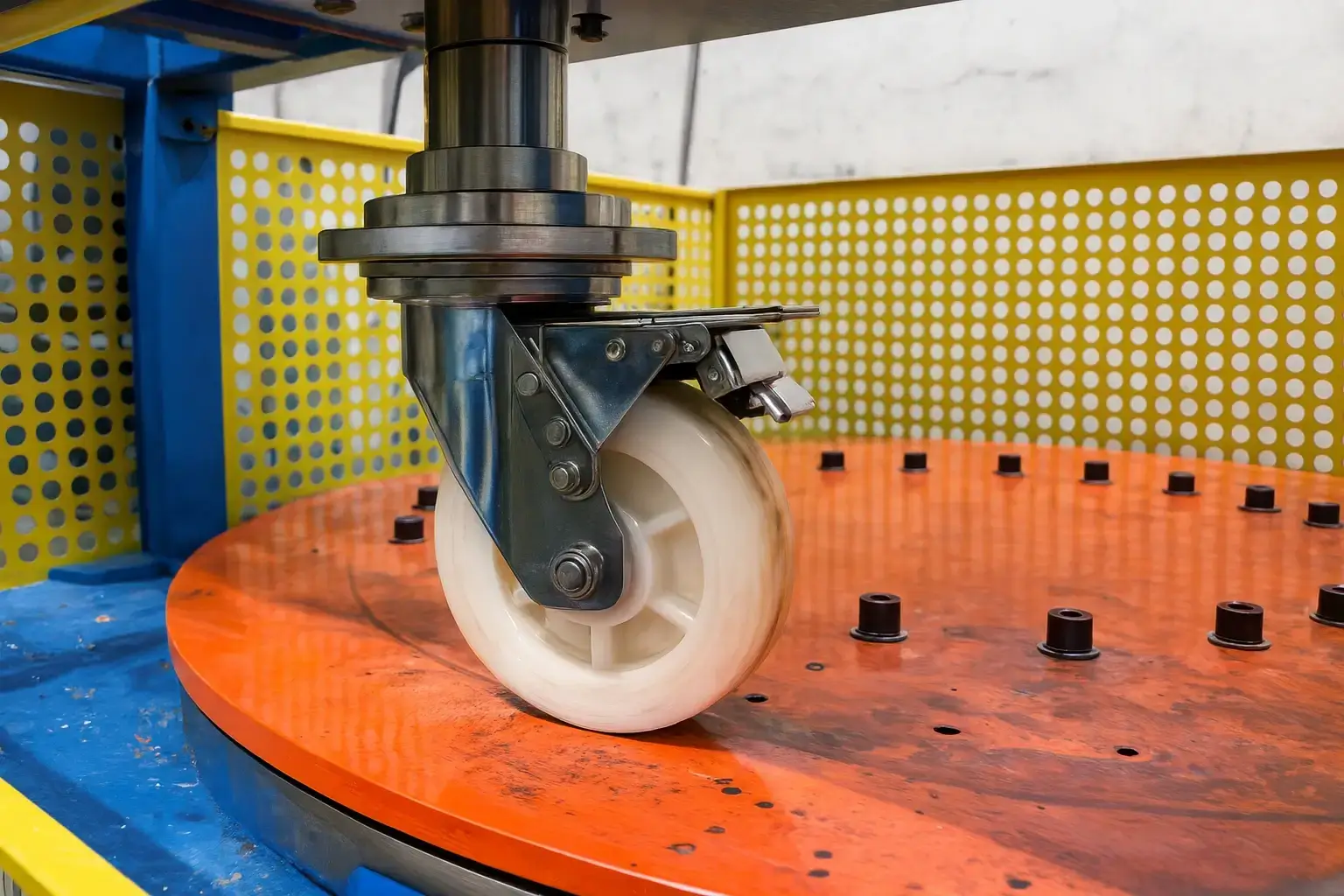
Load Testing: Test the casters according to the dynamic load test standard, such as EN12532, or conform to the test requirements of the customer. To ensure that the casters can handle the specified weight capacities without failure.
Durability Testing: Test the casters for durability under various conditions, such as different floor surfaces and temperature extremes, according to the customer’s demand.
Quality Control Checks: Implement ISO9001 quality control measures throughout the manufacturing process. Identify and correct any defects.
Packaging: Develop packaging solutions that protect the casters during transportation and storage.
Shipping Logistics: Plan and coordinate the logistics for shipping the casters to the client, and confirm the paperwork details with the customer, such as invoice and packing list, bill of lading, Certificate of Original, Form E, etc.
Customer Support: Provide ongoing support to address any queries, concerns, or further needs that the client may have after receiving the casters.
An industrial caster is a heavy-duty wheel and mounting assembly designed to make equipment, carts, and machinery mobile in factories, warehouses, and commercial environments. Unlike light-duty furniture casters, industrial casters are engineered to carry higher loads, resist impact, reduce rolling friction, and withstand continuous use.
Yes. Our industrial casters can easily handle 10,000 pounds. In fact, our heaviest models support up to 35,000 kg (77,000+ pounds) per caster, depending on wheel material, bearing system, and mounting configuration.
If you are working with loads above 10,000 pounds, explore our Extra Heavy-Duty Casters section to find the right model for your equipment and application.
Industrial casters are used on:
1. Material-handling carts and trolleys
2. Warehouse equipment and racks
3. Manufacturing machinery and workstations
4. Medical devices and laboratory equipment
5. Automotive and aerospace production lines
6. and more… Looking for a tailored solution? Contact us to learn more or get a precise quote.
Yes. Our industrial casters can be equipped with high-strength, long-life brake systems designed for demanding environments. Options include:
Total-lock brakes (locks both wheel & swivel)
Side wheel brakes
Top-lock brakes
Directional locks for improved tracking
1. Calculate the load per caster and add a safety margin. dividing the total load (plus ~30% safety margin) by three when using four casters, or use the “N‑1 rule” (divide by one less caster)
2. Consider speed, floor surface and environment. High‑speed or long‑distance movement, rough floors or exposure to oils, chemicals, etc. Choose larger wheel diameters for uneven surfaces and softer treads for delicate floors.
3. Select appropriate wheel material. Polyurethane and rubber protect floors and reduce noise, Nylon or phenolic handle heavy loads and resist chemicals, and steel or iron withstand extreme loads but can damage floors
4. Choose the right type of caster. Use swivel casters for maneuverability in tight spaces and rigid casters for straight‑line stability
Need suggestions? Contact us to learn more or get a precise quote.
For the best performance, wheel material should match the actual usage environment. Contact us with your specific requirements, and we’ll work with you to determine the ideal solution.
We are just one click away
*We respect your privacy and all your information are protected.