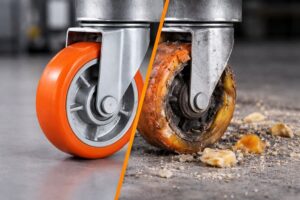
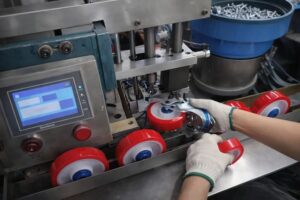
Confused about the right grease for your casters? Using the wrong one can lead to costly failures. Understanding your options is the key to long-lasting performance.
Yes, lithium grease1 is a great choice for many wheel bearings, especially in casters. Its good water resistance and mechanical stability are perfect for light-to-medium loads, where caster bearings are often exposed to dust and moisture and require long maintenance cycles.
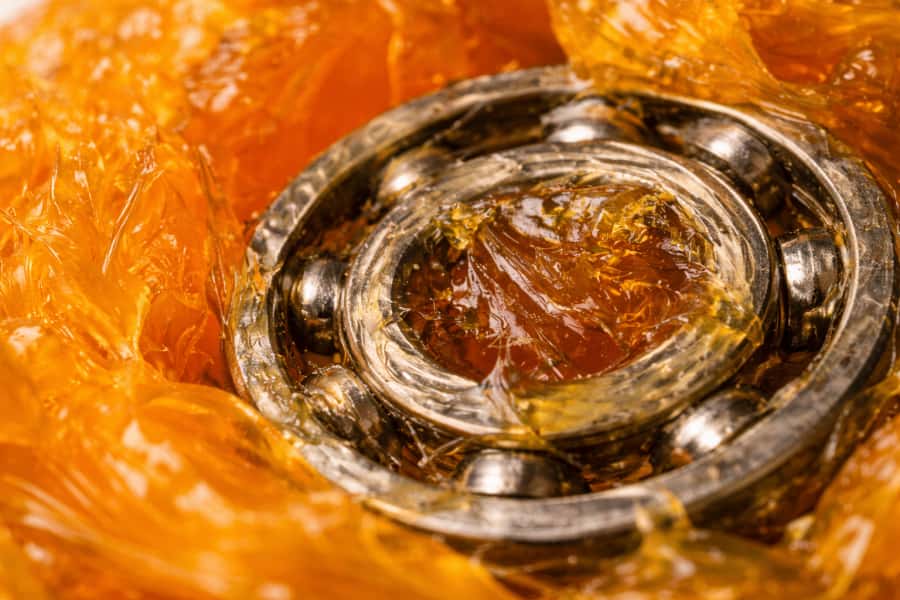
Choosing the right lubricant feels like a small detail, but it makes a huge difference in how your equipment performs and how long it lasts. As a company that has specialized in casters for over 12 years, we've seen firsthand how the right grease can prevent problems down the line. It's not just about making things move smoothly; it's about protecting your investment. Let's dive deeper into why lithium grease is a popular choice and when you might need something more specialized.
What Exactly is Lithium Grease?
People often just say "grease," but not all types are the same. Using the wrong one can damage your equipment. Let's break down what lithium grease really is.
Lithium grease is a versatile, multi-purpose lubricant. It's made by mixing a base oil, usually petroleum-based, with a lithium soap thickener. This simple combination gives it good water resistance and stability for general use in normal temperature ranges, making it a "go-to" for many applications.
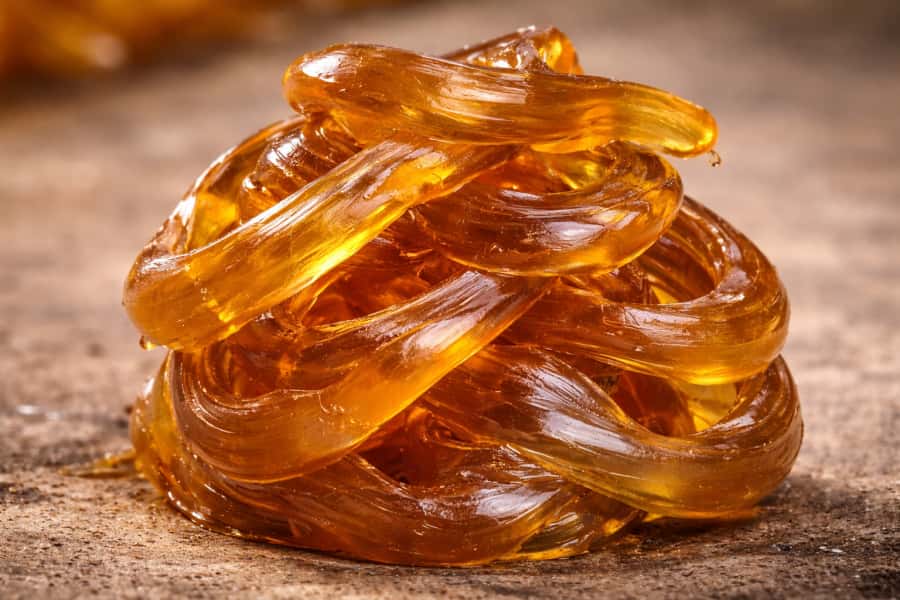
Think of grease like a sponge holding oil. The "sponge" part is the thickener, and in this case, it's made of lithium soap. The "liquid" it holds is the lubricating oil. When parts move, the pressure and heat cause the thickener to release a small amount of oil to lubricate the surfaces. For casters, we use lithium grease in two main spots: the swivel raceway2 (the rotating part) and the wheel axle bearing. Because these parts are often open or only simply sealed, they are exposed to dust and moisture. Lithium grease is effective here because its water resistance prevents it from washing away, and its mechanical stability stops it from being flung out as the wheel spins. It's the perfect match for the common needs of casters: light to medium loads, a need for some water resistance, and long periods between maintenance.
| Component | Role in Lithium Grease | Benefit for Casters |
|---|---|---|
| Lithium Soap | Thickener (the "sponge") | Holds the oil in place, provides structure and stability. |
| Base Oil | Lubricant (the "liquid") | Reduces friction between moving parts like bearings and axles. |
| Additives | (Optional) Enhancers | Can add anti-corrosion or anti-wear properties. |
What are the Pros and Cons of Using Lithium Grease?
Lithium grease seems like the perfect solution for almost everything. But it has weaknesses that can cause serious problems in certain situations. Let's look at the full picture.
The main benefits are its excellent water resistance for damp environments, good mechanical stability so it stays put, and a low price for general tasks. The biggest drawbacks are its poor performance under extreme heat, cold, or very heavy loads, where it can break down or fail to lubricate.
When we supply casters to large hardware chains or general distributors, standard lithium grease is almost always the right choice. It provides a great balance of performance and cost. However, its limits become very clear when conditions get tough. For example, the dropping point of most lithium greases is around 170°C (340°F). This means it starts to melt and lose its structure at high temperatures, like in food processing ovens. It can also become too stiff to lubricate properly in very cold environments. Furthermore, under extremely heavy loads, the oil film created by standard lithium grease can be squeezed out from between the metal surfaces, leading to metal-on-metal contact3, friction, and rapid wear. This is a critical failure point for heavy-duty applications. So, while it's a fantastic general-purpose grease, it is not a one-size-fits-all solution for every demanding industrial environment.
| Aspect | Pros | Cons |
|---|---|---|
| Performance | Good water resistance; stays in place (mechanical stability). | Poor in extreme high/low temperatures; can dry out. |
| Application | Versatile for light to medium-duty general use. | Not suitable for very high loads or shock loads. |
| Cost | Very cost-effective and widely available. | Can lead to higher costs from premature failure4 in wrong application. |
| Lifespan | Offers a long service life in standard conditions. | Breaks down quickly when its operational limits are exceeded. |
When Should You Choose Molybdenum Disulfide Grease Instead?
Are your standard casters failing under tough conditions? This often leads to expensive downtime and constant replacements. A different type of grease could be the simple fix you need.
Use standard lithium grease for light and medium-duty jobs. But for heavy loads, shock loads, or harsh work environments, you must choose a molybdenum disulfide (moly) lithium-based grease for its superior pressure resistance and protection.
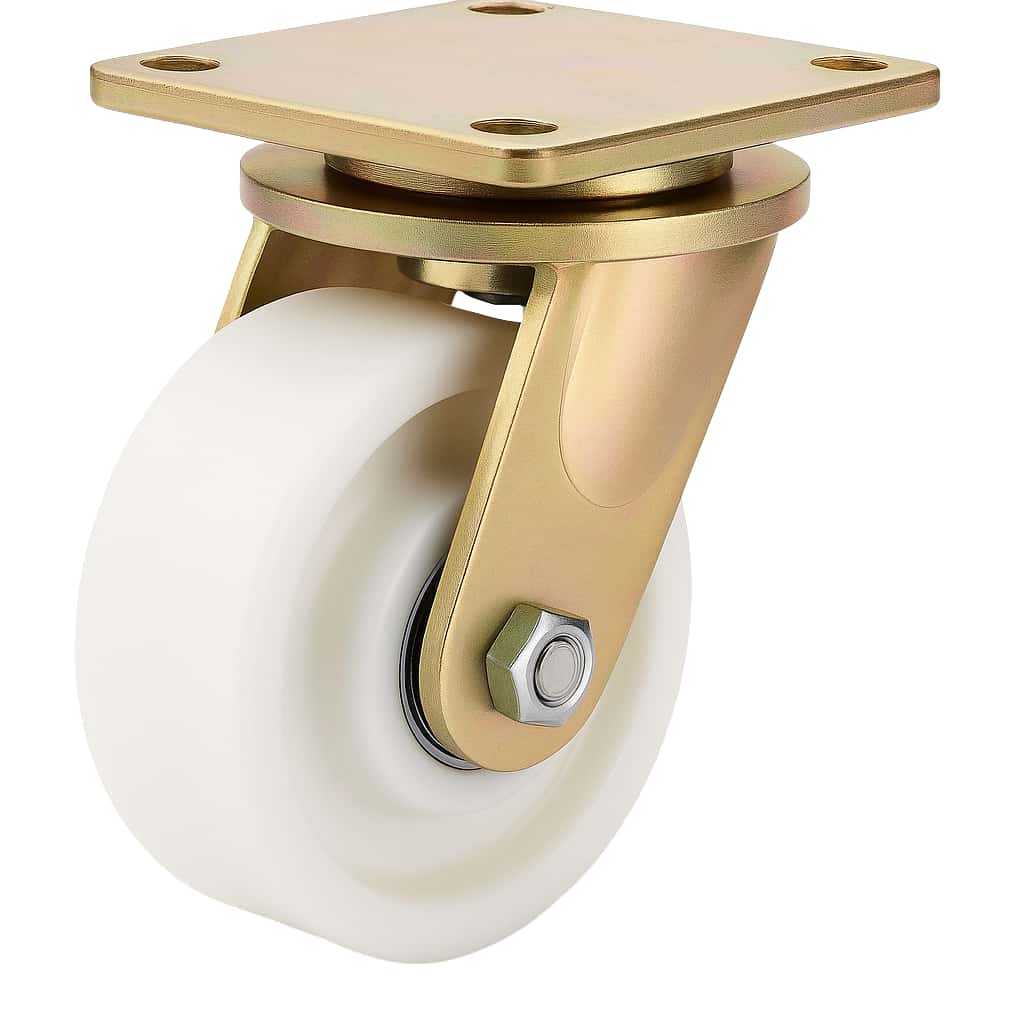
I remember a client who came to us because his super heavy-duty casters were failing. They were moving equipment weighing tens of tons in a harsh environment, and the standard lithium grease just couldn't handle it. The grease was breaking down, causing the bearings to seize up.
I explained that for his application, he needed something more robust. I recommended our casters that use molybdenum disulfide lithium-based grease. Molybdenum disulfide, or "moly," is a solid lubricant additive. It works by plating onto the metal surfaces, creating a protective layer that provides lubrication even under extreme pressure when the base grease is squeezed out. This is why it's called an Extreme Pressure (EP) additive. It offers much better protection against wear under heavy and shock loads. It also has better water resistance and mechanical stability than standard grease, so it doesn't soften or run out easily. The client switched to our recommended casters, and that was years ago. He told me he hasn't had to think about his casters since.
| Feature | Standard Lithium Grease | Moly Lithium-Based Grease |
|---|---|---|
| Load Capacity | Light to Medium | Heavy to Super Heavy, Shock Loads |
| Key Additive | None (or basic ones) | Molybdenum Disulfide (Moly) for Extreme Pressure (EP) |
| Protection | Basic friction reduction. | Creates a solid lubricating film that prevents metal-on-metal contact. |
| Best For | Hardware stores, light equipment, general distributors. | Heavy industry, automotive plants, outdoor equipment. |
| Cost | Lower | Higher, but prevents costly failures. |
Conclusion
Standard lithium grease is a great, reliable choice for most casters. But for heavy-duty work or extreme conditions, a specialized moly-lithium grease is the superior and safer choice.
Lithium grease is a versatile lubricant, ideal for casters, offering water resistance and mechanical stability. Learn more about its industrial uses. ↩
The swivel raceway is key for rotation in casters. Understanding its function can improve maintenance and performance. ↩
Molybdenum disulfide grease creates a protective film, reducing friction and wear. Discover its benefits in heavy-duty applications. ↩
Incorrect grease choice can cause premature failure, leading to costly repairs. Learn how to avoid this with proper selection. ↩